
Fungus · GBIF taxon 2580245
Darwin's Fungus
Cyttaria darwiniiAlso known as Indian Bread, Pan de Indio, Llao Llao
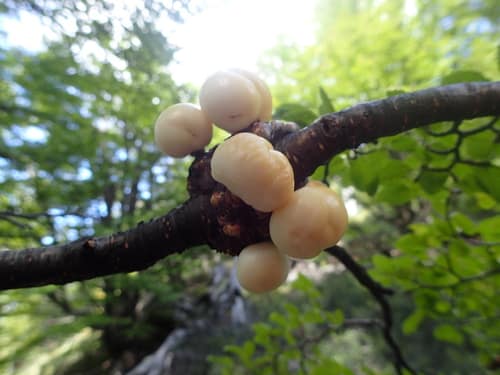
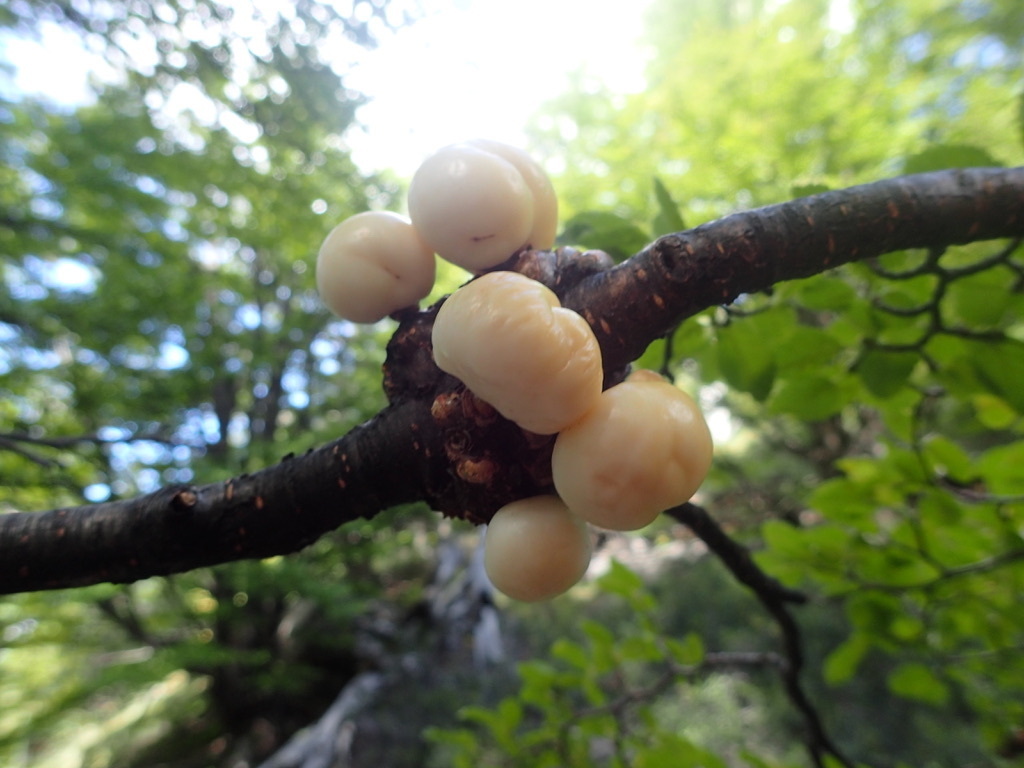
Darwin's fungus forms vibrant orange, golf-ball-sized fruiting bodies pitted like honeycomb across the branches of southern beech trees in Subantarctic forests. This obligate parasite stimulates its host tree to produce massive, swollen woody galls that persist for decades long after the bright fleshy cups drop. Spores release from the deep pits during damp southern spring and summer months, carried on cool winds to colonize new bark wounds.
ParasiticForestHoneycomb
—observations
—countries
—peak records
Not EvaluatedConservation statusIUCN Red List categoriesLCNTVUENCREWEXNot Evaluated — not placed on the risk ladderRed List categories, explained →
Diet & prey
- Parasitic on southern beech trees (Nothofagus)
Predators
- Forest insects
- Invasive birds
- Small rodents
ThreatsDeforestation and forest degradation affecting host trees
HabitatsSubantarctic beech forests, temperate rainforests
Life spanPerennial mycelium (galls last decades); fruiting bodies last weeks
Size / weightNot available
Classification
- FamilyCyttariaceae
- SpeciesCyttaria darwinii
Range data is not available yet.
Interaction riskLow
- Low
- Moderate
- High
- Very high
- Why interaction risk is low
- Many wild fungi have toxic look-alikes; never eat wild mushrooms based on app identification alone.
Responsible observation
- Look for host galls: Search along swollen branch joints on southern beech trees during spring.
- Examine the texture: Note the distinct golf-ball size and deep honeycombed surface pits.
- Observe without removing: Leave fruiting bodies on host trees to allow spore dispersal.
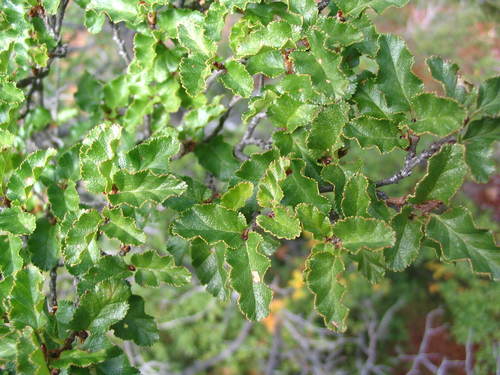
Host Plant (c) cstobie, some rights reserved (CC BY), uploaded by cstobie · cc-by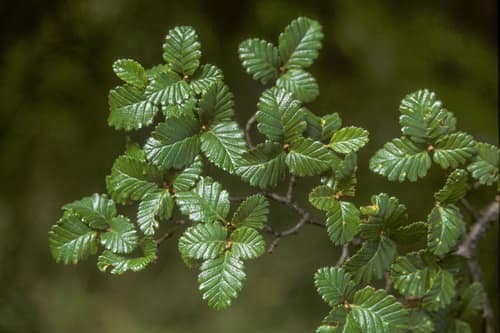
Host Plant (c) Kristof Zyskowski, some rights reserved (CC BY), uploaded by Kristof Zyskowski · cc-by Image unavailable
Close Relative 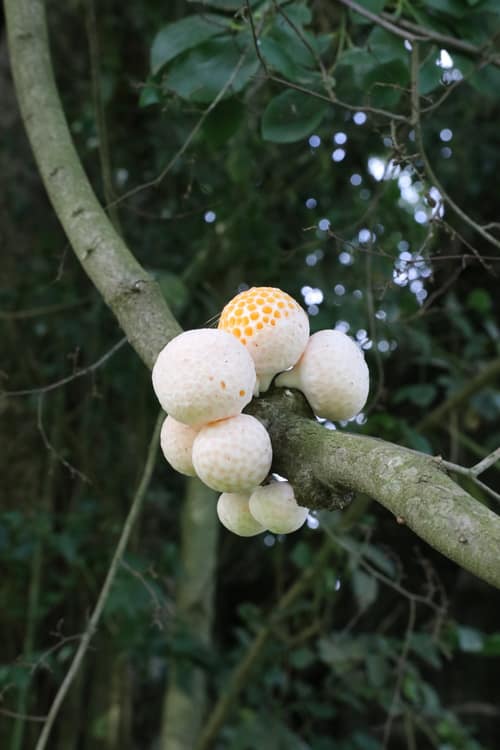
Close Relative (c) nitsuga74, some rights reserved (CC BY), uploaded by nitsuga74 · cc-by
Help improve the field guideSomething wrong?
Checking your Fauna account…Report a name, category, or profile issue for review.