
Fungus · GBIF taxon 2580232
Digüeñe Fungus
Cyttaria berteroiAlso known as Bertero's Cyttaria, Pinatra, Lihueñe
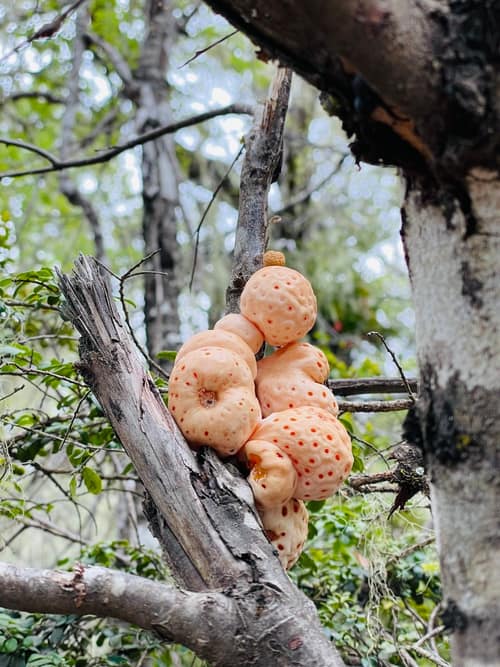
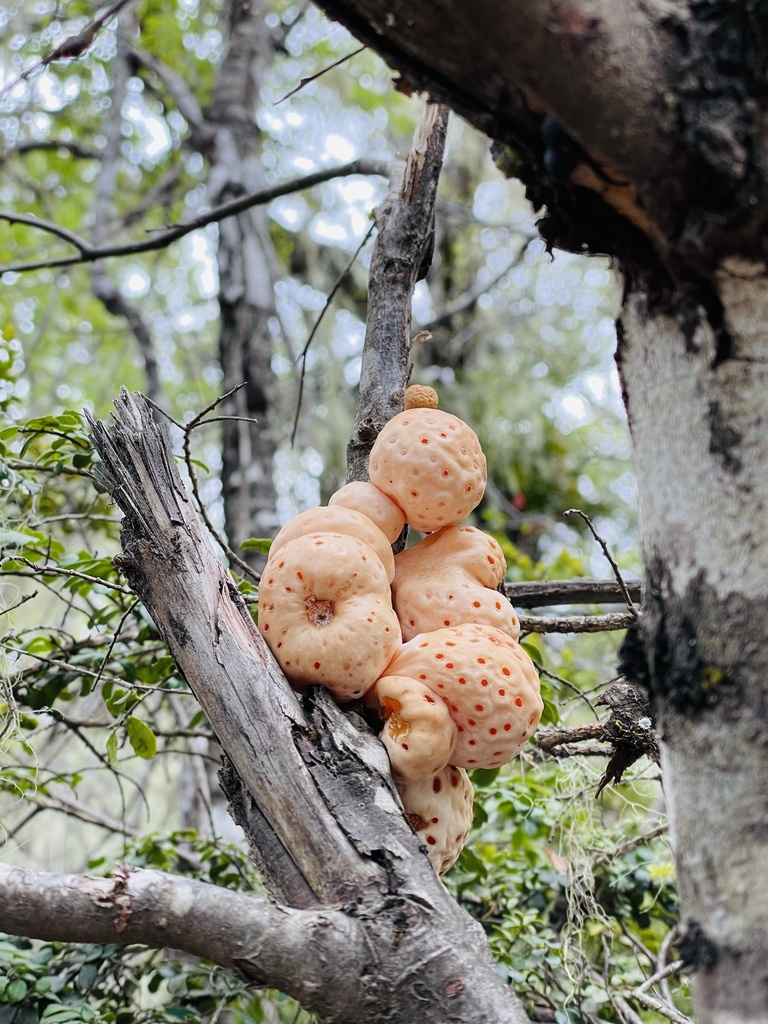
Digüeñe fungus forms striking, bright orange, spherical fruiting bodies that emerge in clusters along the trunks and branches of southern beech trees each spring. As an obligate parasite, it induces woody galls on its host tree from which these golf-ball-sized structures burst through a white protective membrane. The mature fruiting surfaces feature a characteristic honeycombed pattern of tiny cups that release spores into the moist forest air.
ParasiticForest FungusTree-Dwelling
—observations
—countries
—peak records
Not EvaluatedConservation statusIUCN Red List categoriesLCNTVUENCREWEXNot Evaluated — not placed on the risk ladderRed List categories, explained →
Diet & prey
- Nothofagus Nutrients
Predators
- Forest Birds
- Insects
- Small Mammals
ThreatsDeforestation and loss of host trees
HabitatsTemperate Nothofagus forests
Life spanPerennial fungus; seasonal fruiting body lasting a few weeks
Size / weightNot available
Classification
- FamilyCyttariaceae
- SpeciesCyttaria berteroi
Range data is not available yet.
Interaction riskLow
- Low
- Moderate
- High
- Very high
- Why interaction risk is low
- Many edible mushrooms have toxic look-alikes; never eat wild fungi based on app identification alone.
Responsible observation
- Observation: Look for bright orange clusters high on southern beech branches during spring.
- Identification: Note the white covering membrane that ruptures to reveal honeycombed cups.
- Tree Health: Inspect host trees for characteristic woody galls where the fungus resides.
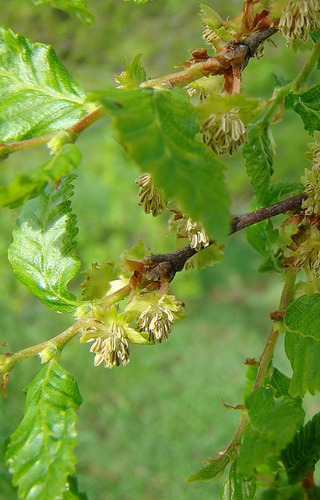
Host Plant (c) Dick Culbert, some rights reserved (CC BY) · cc-by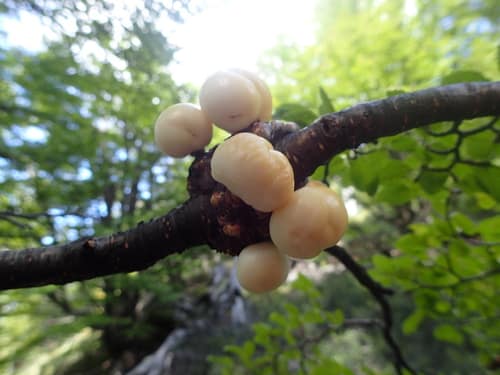
Close Relative (c) rosaceae_roberts, some rights reserved (CC BY) · cc-by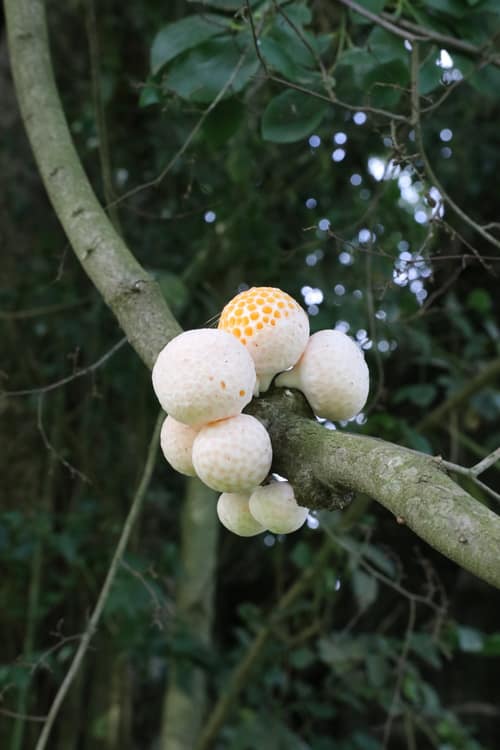
Close Relative (c) nitsuga74, some rights reserved (CC BY), uploaded by nitsuga74 · cc-by
Help improve the field guideSomething wrong?
Checking your Fauna account…Report a name, category, or profile issue for review.