
Fungus
Cyttaria hariotii
Cyttaria hariotiiAlso known as Llao Llao, Pan de Indio, Llaullao, Indian Bread
Bright orange, golf-ball-sized clusters erupt in springtime along the branches of southern beech trees across the Patagonian wilderness. The parasitic fungus invades the host tree's sap ducts, stimulating the tree to produce massive, swollen woody galls to redirect vascular flow around the infection. As the spherical fruiting bodies mature, their smooth outer membranes rupture to expose deep, honeycomb-like depressions lined with spore-producing tissue.
ParasiticPatagonianTree Fungus
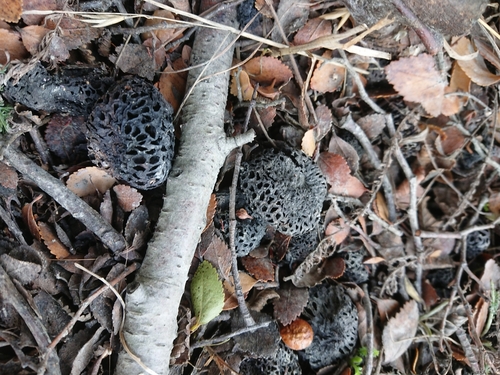
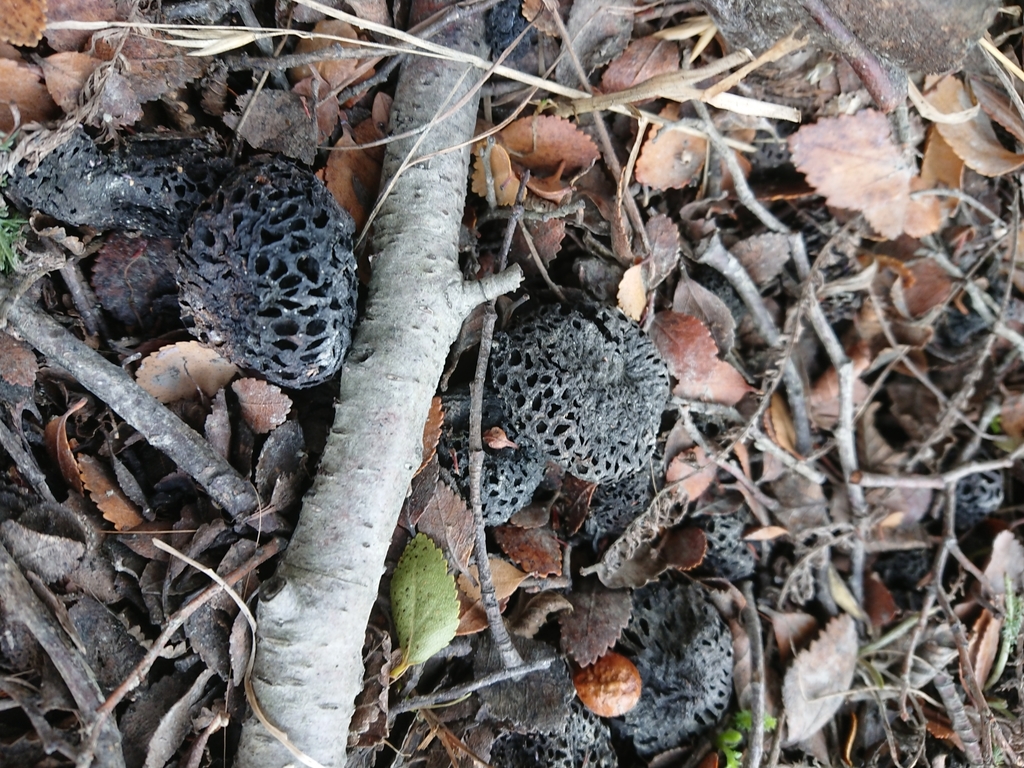
—observations
—countries
—peak records
Not EvaluatedConservation statusIUCN Red List categoriesLCNTVUENCREWEXNot Evaluated — not placed on the risk ladderRed List categories, explained →
Diet & preyParasitic (extracts nutrients from host sapwood)
Predators
- Wood-boring beetles
- Austral parakeet
- Rodents
ThreatsDeforestation, logging of mature southern beeches, and forest fires
HabitatsSubantarctic beech forests and temperate Andean woodlands
Life spanPerennial mycelium living decades; fruiting bodies persist several weeks
Classification
- FamilyCyttariaceae
- SpeciesCyttaria hariotii
Range data is not available yet.
Interaction riskLow
- Low
- Moderate
- High
- Very high
- Why interaction risk is low
- Many edible mushrooms have toxic look-alikes; never eat wild fungi based on app identification alone.
Responsible observation
- Spotting: Look for bright yellow-orange globes emerging directly from swollen woody knots on beech branches.
- Seasonality: Search in spring and early summer when rainfall stimulates the fruiting bodies to emerge.
- Field Study: Examine the honeycomb pattern of pits covering mature specimens with a hand lens.
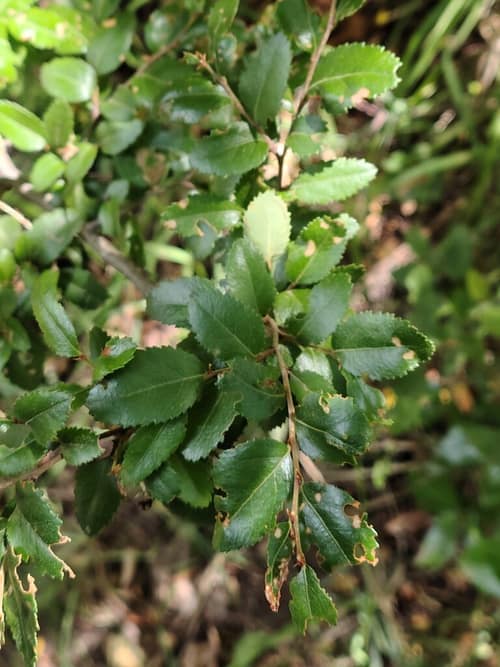
Host Plant (c) Felipe Horton, some rights reserved (CC BY) · cc-by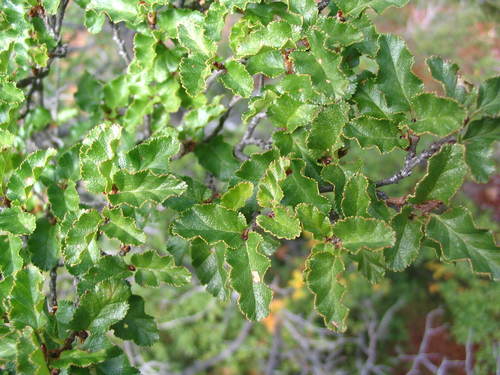
Host Plant (c) cstobie, some rights reserved (CC BY), uploaded by cstobie · cc-by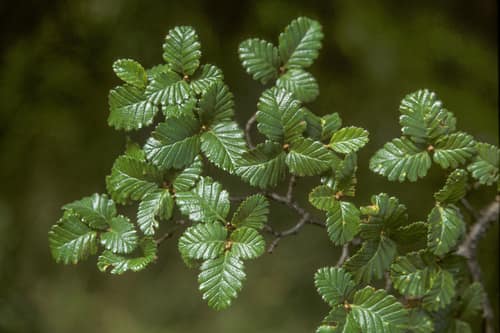
Host Plant (c) Kristof Zyskowski, some rights reserved (CC BY), uploaded by Kristof Zyskowski · cc-by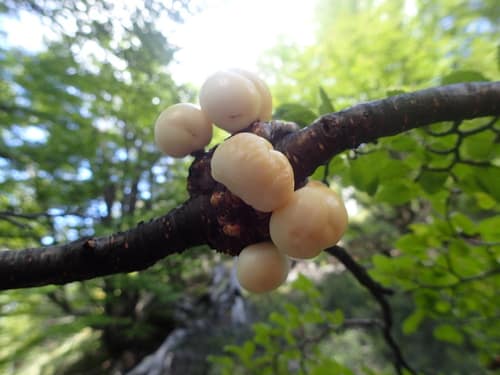
Close Relative (c) rosaceae_roberts, some rights reserved (CC BY) · cc-by
Help improve the field guideSomething wrong?
Checking your Fauna account…Report a name, category, or profile issue for review.