
Fungus · GBIF taxon 2561867
Bolete Mould
Hypomyces chrysospermusAlso known as Bolete Eater, Yellow Bolete Mold, Gold-Spored Mold
Bolete mould begins its life cycle as an inconspicuous white film spreading over the caps and pores of bolete mushrooms. As the parasite matures, it covers the host in a velvety, golden-yellow dust composed of millions of asexual spores before eventually turning dark reddish-brown as the host disintegrates. This opportunistic fungus plays an important role in forest ecosystems by rapidly recycling decaying fungal tissue back into the soil.
ParasiticYellowHost-Specific
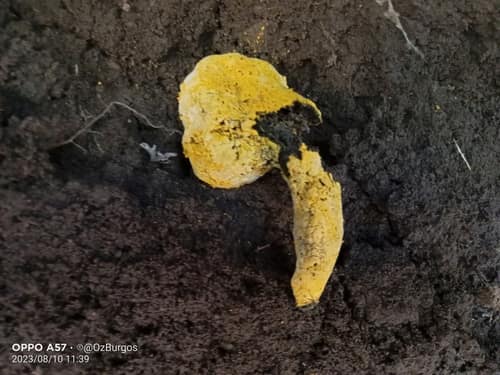
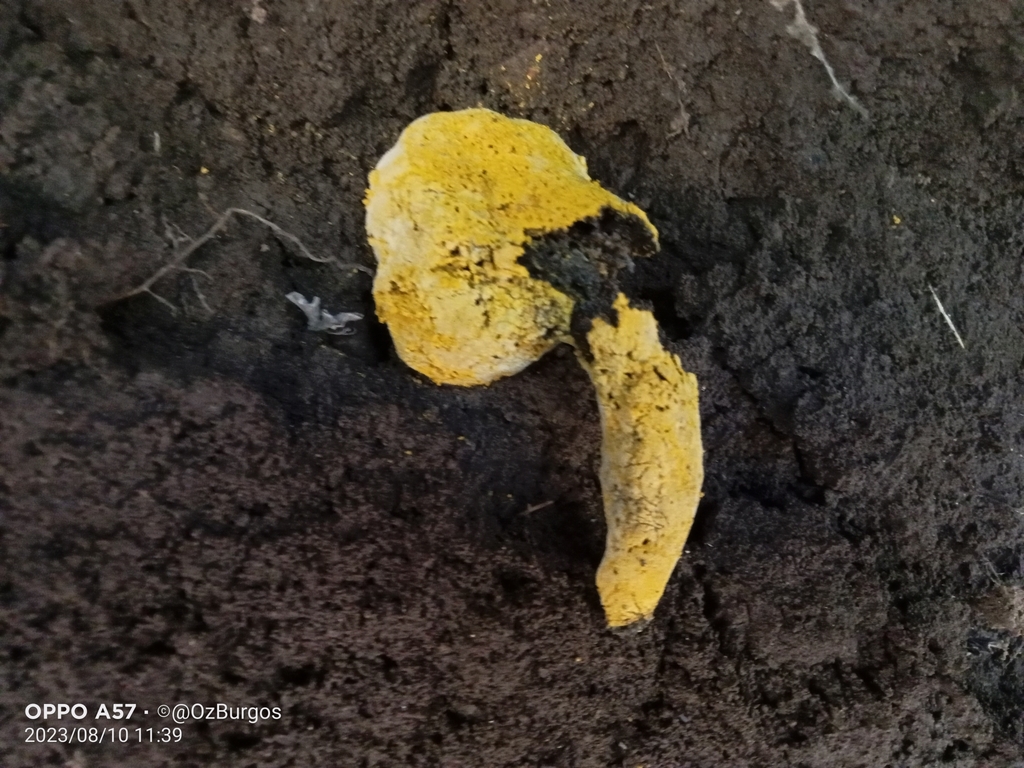
—observations
—countries
—peak records
Not EvaluatedConservation statusIUCN Red List categoriesLCNTVUENCREWEXNot Evaluated — not placed on the risk ladderRed List categories, explained →
Diet & prey
- Bolete Mushrooms
- Pore Fungi
Predators
- Fungus-gnat Larvae
- Slugs
- Springtails
ThreatsHabitat loss affecting host mushroom populations
HabitatsConiferous and deciduous woodlands
Life span1–3 weeks
Classification
- OrderHypocreales
- FamilyHypocreaceae
- GenusHypomyces
- SpeciesHypomyces chrysospermus
Range data is not available yet.
Interaction riskHigh
- Low
- Moderate
- High
- Very high
- Why interaction risk is high
- Infected host mushrooms cause severe digestive distress, and many wild fungi have toxic look-alikes; never ingest.
- Why it is dangerous
- Infection degrades the host mushroom flesh and releases toxic chemical compounds that induce severe nausea, vomiting, and abdominal cramps.
- How to recognize a risky encounter
- Recognized by a dense white to golden-yellow or dark brown powdery layer enveloping a softening bolete.
- What to do
- Avoid picking or consuming infected mushrooms, and wash hands thoroughly after handling moldy specimens.
Responsible observation
- Identification: Look for a velvety white or bright golden-yellow dusting completely coating a bolete cap or pore surface.
- Photography: Capture the dramatic color transition from bright yellow spores to the dark brown decay phase without disturbing fragile spores.
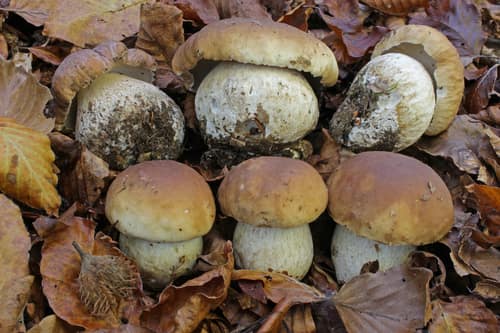
Host Species (c) Davide Puddu, some rights reserved (CC BY), uploaded by Davide Puddu · cc-by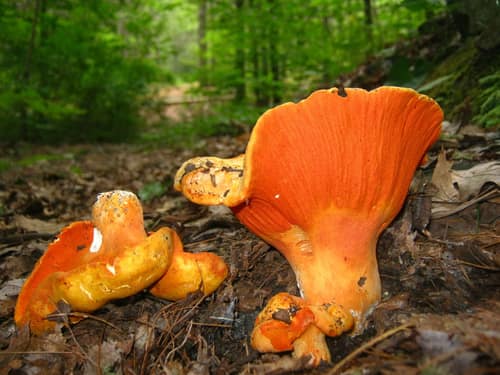
Close Relative (c) Erlon Bailey, some rights reserved (CC BY-SA), uploaded by Erlon Bailey · cc-by-sa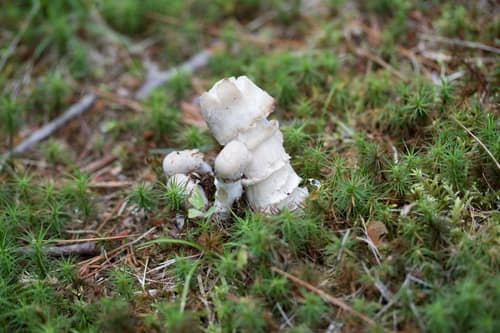
Close Relative (c) Richard Jacob, some rights reserved (CC BY), uploaded by Richard Jacob · cc-by
Help improve the field guideSomething wrong?
Checking your Fauna account…Report a name, category, or profile issue for review.