
Fungus · GBIF taxon 2561840
Amanita Mold
Hypomyces hyalinusAlso known as Amanita Parasite, White Amanita Mold
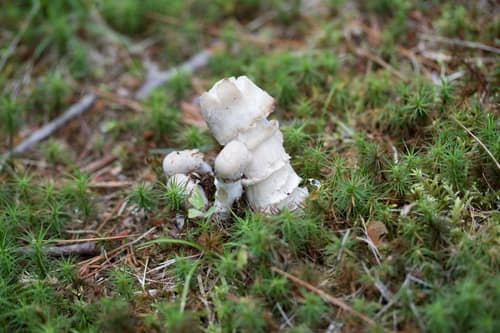
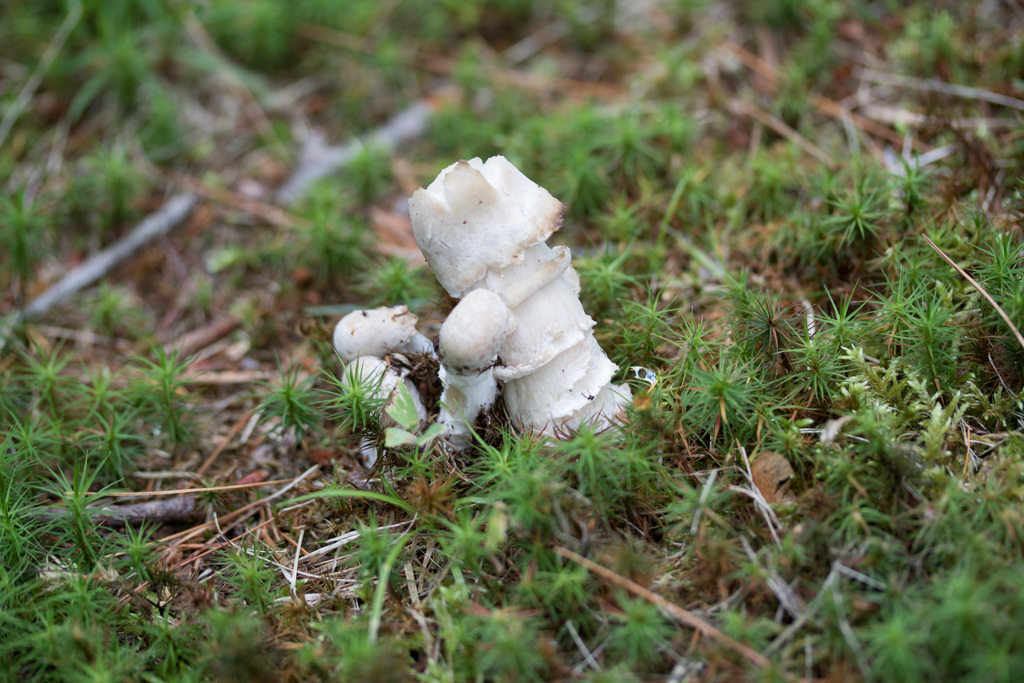
Amanita mold is a specialized parasitic fungus that infects mushrooms in the genus Amanita, completely disfiguring their host fruiting bodies. As the parasite engulfs the cap and stem, it coats the host in a dense, whitish to pale pinkish fungal mat and prevents the cap from expanding or producing normal gills. Found across North American woodlands in summer and autumn, it plays a unique ecological role by hijacking the tissue of host mushrooms.
ParasiticFungusWoodland
 1 / 7
1 / 7—observations
—countries
—peak records
Not EvaluatedConservation statusIUCN Red List categoriesLCNTVUENCREWEXNot Evaluated — not placed on the risk ladderRed List categories, explained →
Diet & prey
- Amanita species
ThreatsHabitat degradation and removal of host fungal communities
HabitatsDeciduous and mixed woodlands, growing directly on host mushrooms
Life spanEphemeral (lasts days to weeks on host fruiting body)
Classification
- OrderHypocreales
- FamilyHypocreaceae
- GenusHypomyces
- SpeciesHypomyces hyalinus
Range data is not available yet.
Interaction riskHigh
- Low
- Moderate
- High
- Very high
- Why interaction risk is high
- Grows on toxic Amanita species; many wild fungi have toxic look-alikes, so never ingest wild mushrooms.
- Why it is dangerous
- Infects species of Amanita that contain lethal amatoxins or ibotenic acid, making infected host tissue extremely toxic if ingested.
- How to recognize a risky encounter
- Look for deformed, powdery white or pale pinkish crusts completely enveloping the caps and stems of unopened gilled mushrooms.
- What to do
- Observe and photograph in place without touching or consuming any part of the host mushroom or parasite.
Responsible observation
- Observation: Look closely at deformed, white-coated mushroom stalks in oak and pine forests during late summer.
- Safety: Do not attempt to forage or eat any mushroom infected by this parasite, as host toxins remain active.
- Photography: Capture the contrast between the white parasitic crust and the surrounding forest floor leaf litter.
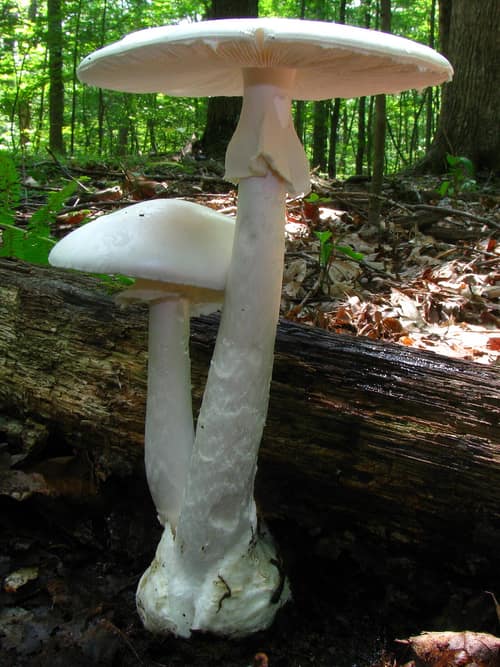
Host Dan Molter (shroomydan) / CC BY-SA 3.0 · cc-by-sa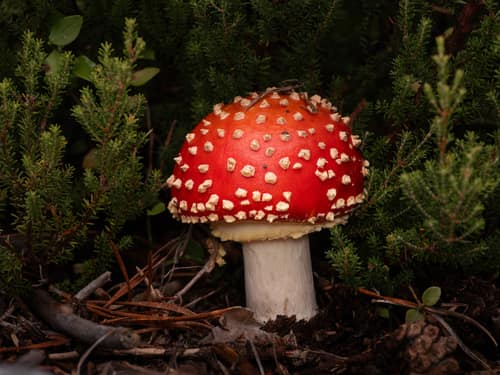
Host (c) Borja Fierro, some rights reserved (CC BY), uploaded by Borja Fierro · cc-by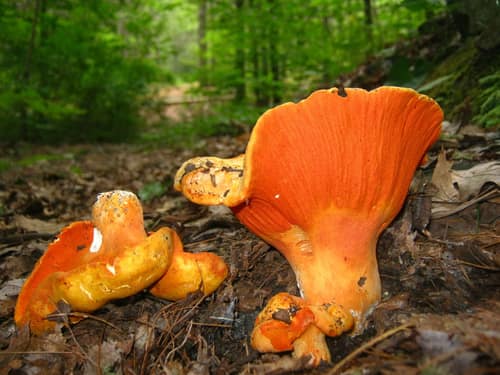
Close Relative (c) Erlon Bailey, some rights reserved (CC BY-SA), uploaded by Erlon Bailey · cc-by-sa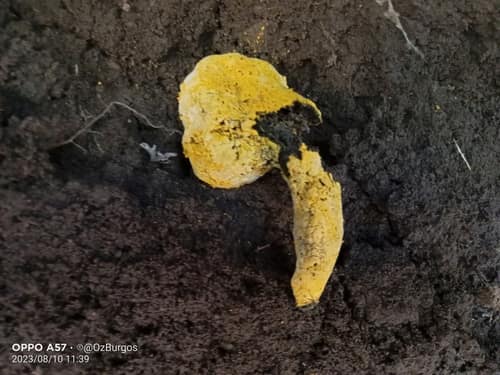
Close Relative (c) Ulises Emmanuel Martínez Burgos, some rights reserved (CC BY) · cc-by
Help improve the field guideSomething wrong?
Checking your Fauna account…Report a name, category, or profile issue for review.