
Fungus · GBIF taxon 2561802
Lobster Mushroom
Hypomyces lactifluorumAlso known as Lobster Fungus
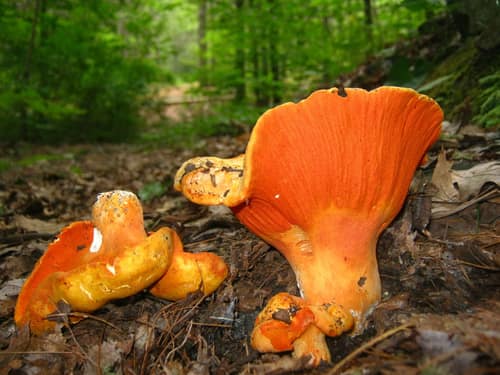
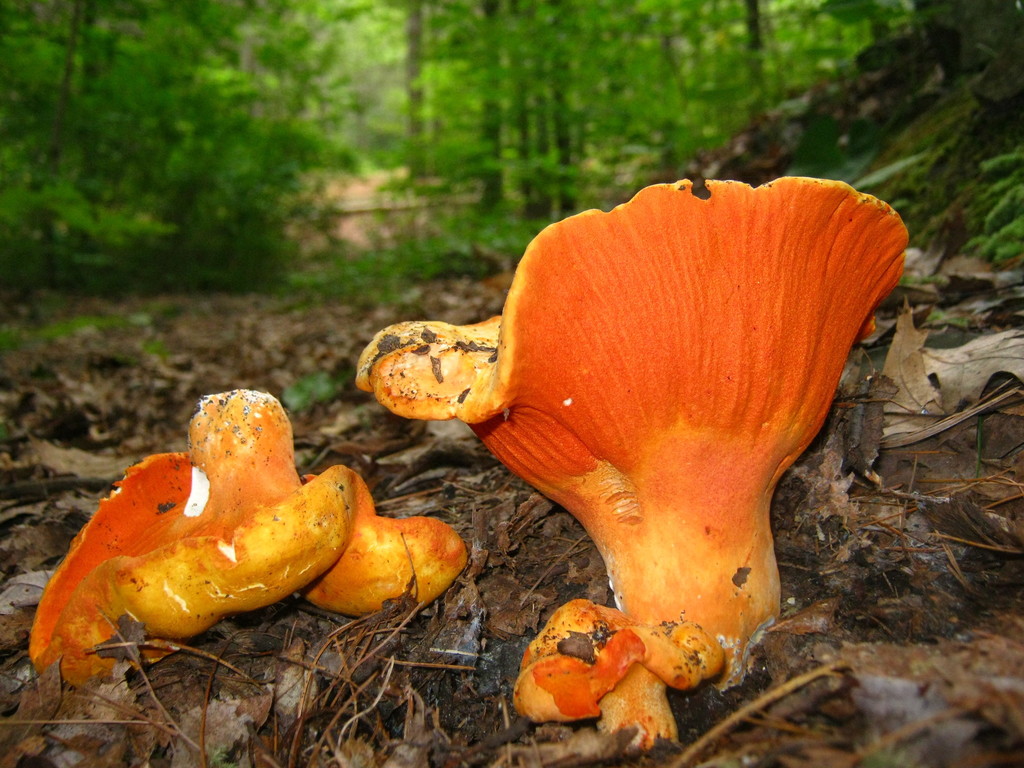
Lobster mushrooms form when a parasitic fungus colonizes and completely transforms host mushrooms, turning their caps and stems into hard, bright reddish-orange structures. The parasite covers the host mushroom's gills, replacing them with a rough, pimpled crust containing tiny spore-producing chambers. They typically emerge from leaf litter in damp conifer and hardwood forests throughout late summer and autumn.
ParasiticOrangeAscomycete
 1 / 7
1 / 7—observations
—countries
—peak records
Not EvaluatedConservation statusIUCN Red List categoriesLCNTVUENCREWEXNot Evaluated — not placed on the risk ladderRed List categories, explained →
Diet & prey
- Russula brevipes
- Lactarius piperatus
Predators
- Fungus gnat larvae
- Slugs
- Squirrels
ThreatsDeforestation and clearcutting
HabitatsConiferous and mixed hardwood forests
Life span2–4 weeks
Size / weightNot available
Classification
- OrderHypocreales
- FamilyHypocreaceae
- GenusHypomyces
- SpeciesHypomyces lactifluorum
Range data is not available yet.
Interaction riskLow
- Low
- Moderate
- High
- Very high
- Why interaction risk is low
- Many wild mushrooms have toxic look-alikes; never ingest wild fungi based on identification apps alone.
Responsible observation
- Observation: Look for bright reddish-orange patches pushing through forest leaf litter in late summer and autumn.
- Identification: Examine the outer shell under a lens to spot tiny, pimple-like perithecia embedded across the surface.
- Ecological Role: Observe how the parasite completely smothers the host mushroom's gills and halts its spore release.
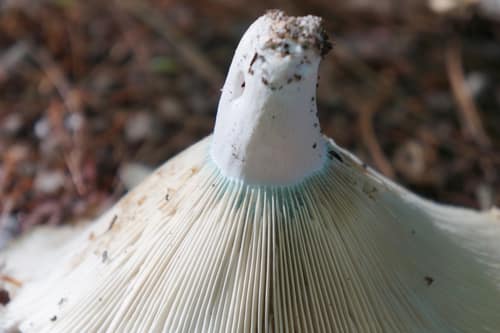
Host Mushroom (c) Erlon Bailey, some rights reserved (CC BY-SA), uploaded by Erlon Bailey · cc-by-sa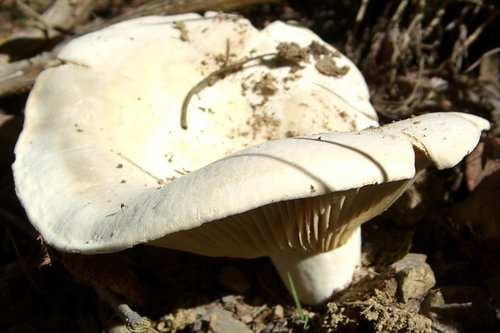
Host Mushroom (c) Jason Hollinger, some rights reserved (CC BY) · cc-by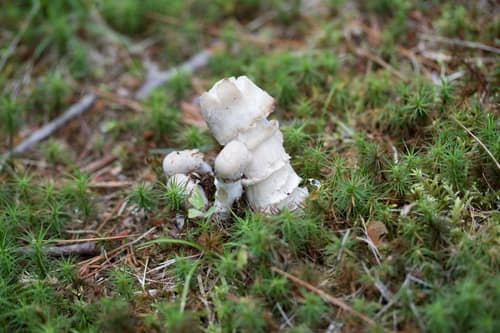
Close Relative (c) Richard Jacob, some rights reserved (CC BY), uploaded by Richard Jacob · cc-by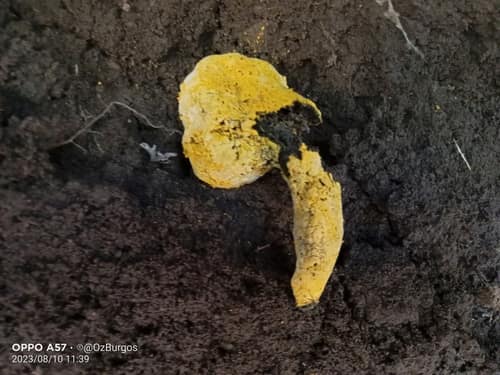
Close Relative (c) Ulises Emmanuel Martínez Burgos, some rights reserved (CC BY) · cc-by
Help improve the field guideSomething wrong?
Checking your Fauna account…Report a name, category, or profile issue for review.