
Fungus
Amber Jelly Fungus
Exidia recisaAlso known as Amber Jelly, Willow Jelly, Brown Jelly Disc
Amber jelly fungus produces distinctive amber to dark orange-brown, gelatinous cushions that shrivel into paper-thin dark crusts during dry spells and quickly rehydrate with rain. Typically colonizing dead or dying twigs still attached to willow trees, it breaks down woody lignin throughout cool, damp autumn and winter months. Its shiny, inverted cone shape gives it a gumdrop appearance clinging tightly to riparian bark.
FungusDecomposerGelatinous
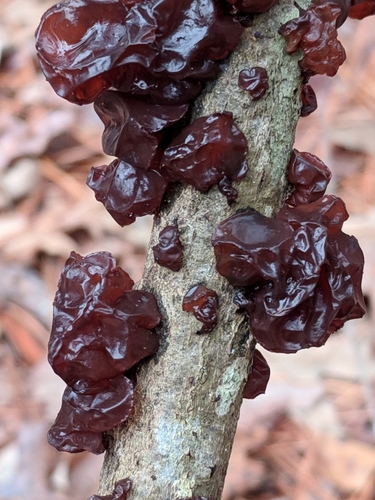
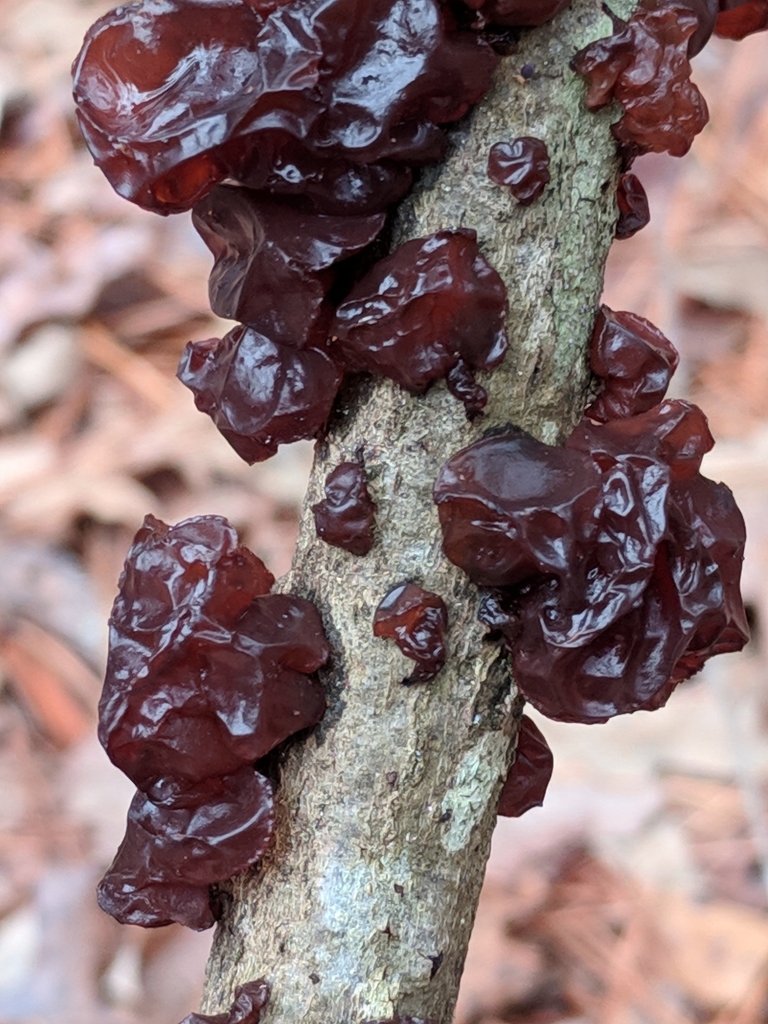
—observations
—countries
—peak records
Not EvaluatedConservation statusIUCN Red List categoriesLCNTVUENCREWEXNot Evaluated — not placed on the risk ladderRed List categories, explained →
Diet & preyDecaying hardwood lignin, Willow cellulose
Predators
- Slugs
- Fungus gnat larvae
- Springtails
ThreatsWetland drainage, removal of riparian scrub, and intensive woodland management
HabitatsRiparian woodlands, willow thickets, wetland margins, and damp temperate forests
Life spanFruiting body lasts several weeks to months across wet-dry cycles
Classification
- OrderAuriculariales
- FamilyAuriculariaceae
- GenusExidia
- SpeciesExidia recisa
Range data is not available yet.
Interaction riskLow
- Low
- Moderate
- High
- Very high
- Why interaction risk is low
- Many edible mushrooms have toxic look-alikes; never eat wild fungi based on app identification alone.
Responsible observation
- Inspect willow branches: Look along attached dead willow twigs after soaking autumn and winter rains.
- Check for rehydration: Observe shriveled black crusts swell into glistening amber cushions when moistened.
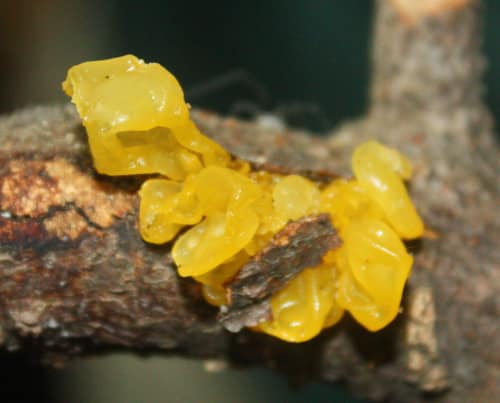
Look-alike no rights reserved · cc0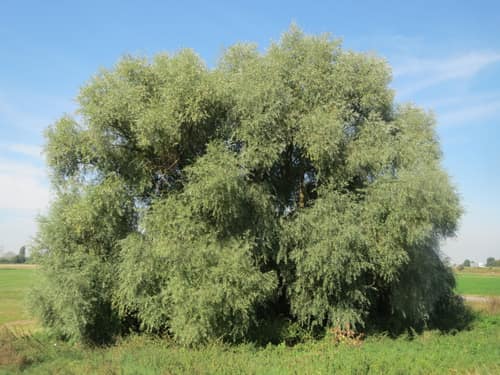
Host Tree (c) Andreas Rockstein, some rights reserved (CC BY-SA) · cc-by-sa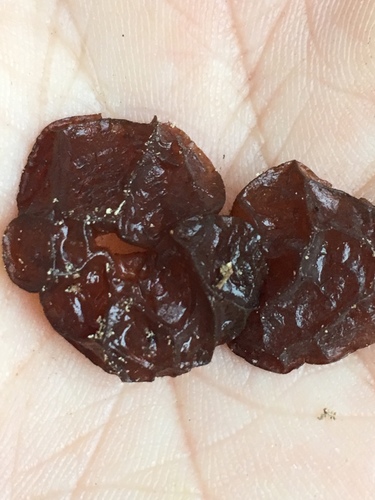
Close Relative no rights reserved, uploaded by pynklynx · cc0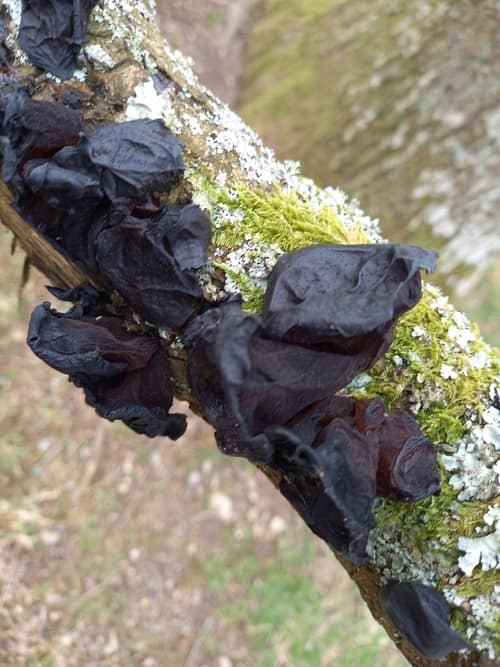
Close Relative (c) sugarsnap_t, some rights reserved (CC BY), uploaded by sugarsnap_t · cc-by
Help improve the field guideSomething wrong?
Checking your Fauna account…Report a name, category, or profile issue for review.