
Fungus · GBIF taxon 2552533
Indian Paint Fungus
Echinodontium tinctoriumAlso known as Toothed Conk
Indian paint fungus forms heavy, woody shelves on living grand firs and western hemlocks across western North America. The dark, deeply cracked upper surface contrasts with a lower surface covered in thick, coarse spines rather than standard pores. Inside the hard conk lies a brilliant brick-red interior context that Native Americans historically ground into powder for body paint and ceremonial dyes.
Wood-Decay FungusTree PathogenBracket Fungus
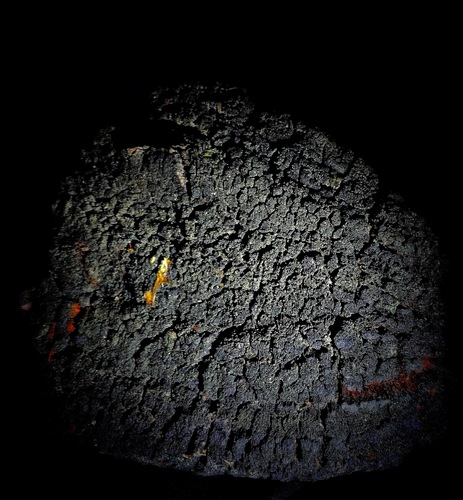
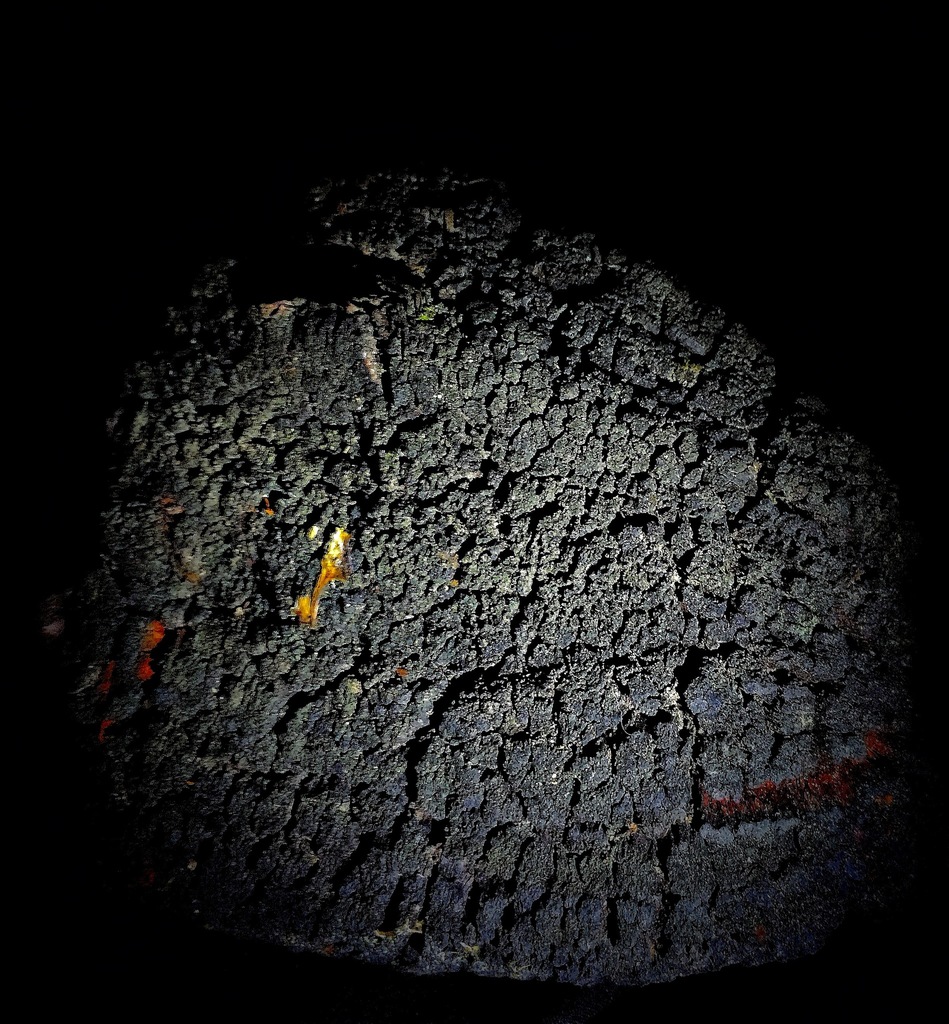
—observations
—countries
—peak records
Not EvaluatedConservation statusIUCN Red List categoriesLCNTVUENCREWEXNot Evaluated — not placed on the risk ladderRed List categories, explained →
Diet & prey
- Grand Fir Heartwood
- Western Hemlock Wood
- Lignin and Cellulose
Predators
- Fungus Beetles
- Wood-Boring Beetles
- Mites
ThreatsRemoval of old-growth timber stands
HabitatsMature coniferous forests
Life spanPerennial (fruiting bodies survive for decades)
Classification
- OrderRussulales
- FamilyEchinodontiaceae
- GenusEchinodontium
- SpeciesEchinodontium tinctorium
Range data is not available yet.
Interaction riskLow
- Low
- Moderate
- High
- Very high
- Why interaction risk is low
- Many edible mushrooms have toxic look-alikes; never eat wild fungi based on app identification alone.
Responsible observation
- Look beneath the shelf: Examine the underside to spot teeth rather than traditional pores.
- Inspect host trunks: Search mid-to-upper trunks of mature grand fir and hemlock trees.
- Observe broken wood: Fallen conks reveal a vivid brick-red interior core.
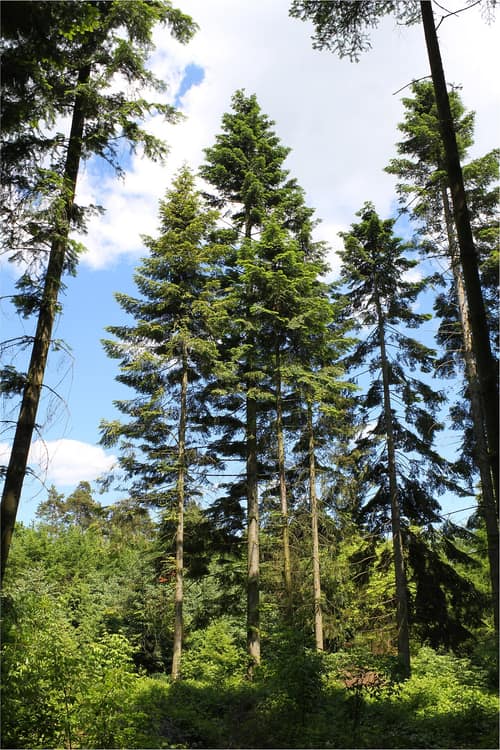
Host Plant Crusier / CC BY-SA 3.0 · cc-by-sa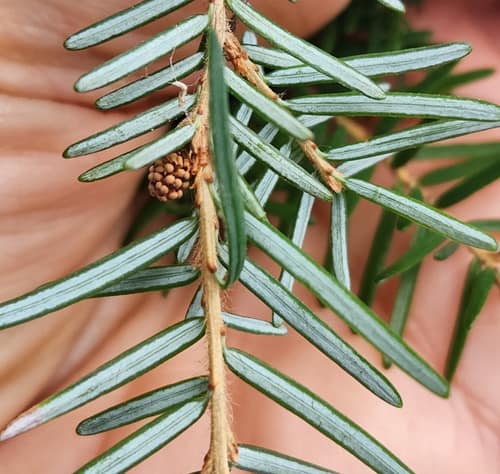
Host Plant (c) Lyrae, some rights reserved (CC BY), uploaded by Lyrae · cc-by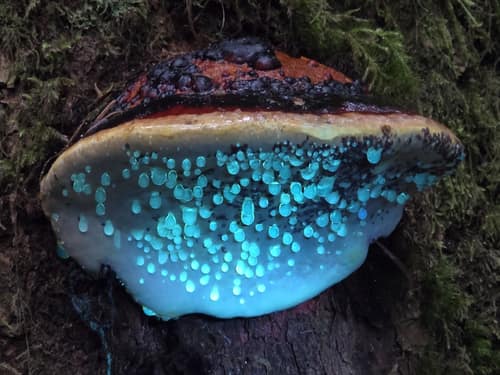
Frequent Companion (c) Alan Rockefeller, some rights reserved (CC BY) · cc-by
Help improve the field guideSomething wrong?
Checking your Fauna account…Report a name, category, or profile issue for review.