
Fungus
Conifer-base Polypore
Heterobasidion annosumAlso known as Annosus Root Rot Fungus, Annosus Root Rot, Root Rot Polypore
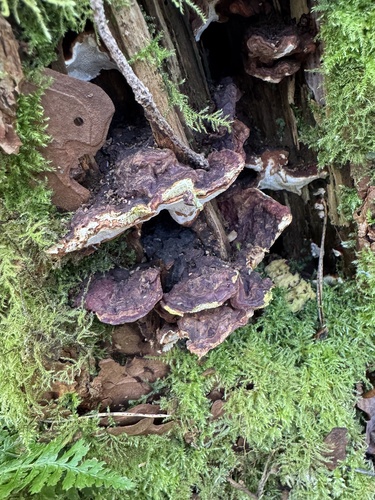
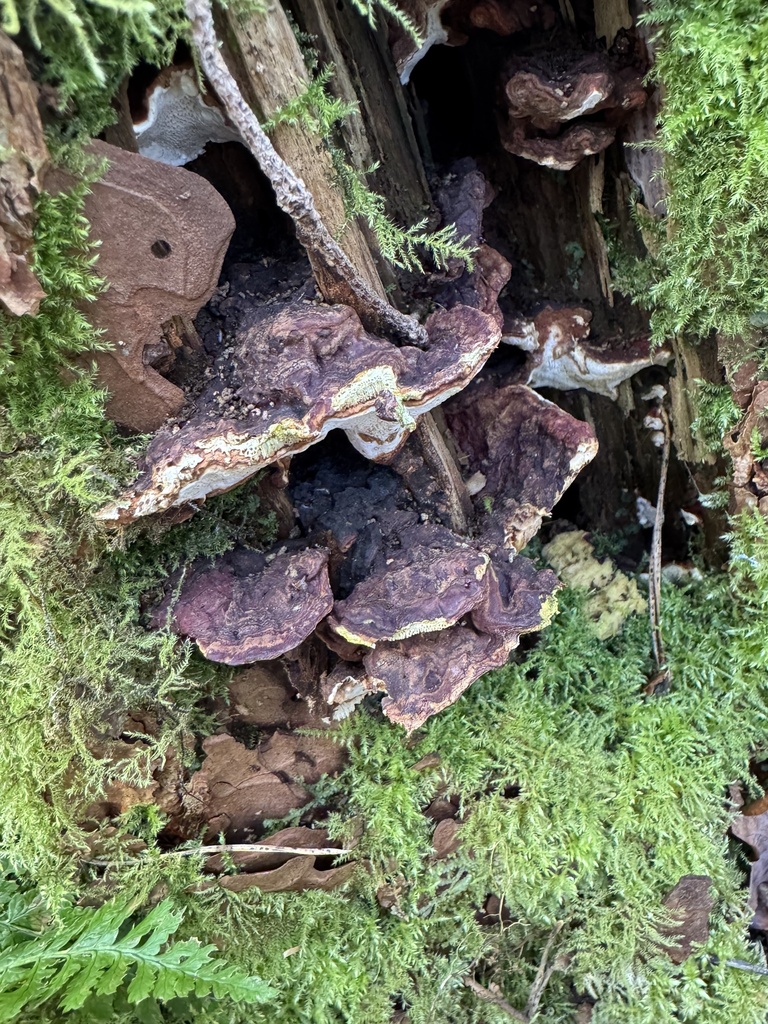
Conifer-base polypores form tough, woody, bracket-like fruiting bodies tucked low on tree trunks, root collars, or exposed roots. As one of the most destructive forest pathogens in the Northern Hemisphere, this fungus infects living conifers through fresh stump surfaces or underground root contact, slowly rotting the heartwood from within. Over time, affected trees weaken, succumb to windthrow, or create expanding root-rot gaps within dense evergreen stands.
Forest PathogenWood DecayBracket Fungus
—observations
—countries
—peak records
Not EvaluatedConservation statusIUCN Red List categoriesLCNTVUENCREWEXNot Evaluated — not placed on the risk ladderRed List categories, explained →
Diet & preyPonderosa pine wood, Scots pine wood, Norway spruce wood
Predators
- Fungus-feeding beetles
- Fungal mites
- Nematodes
ThreatsStump treatment with borates or biological control agents during forestry operations
HabitatsConiferous forests, pine plantations, and mixed woodlands
Life spanPerennial (fruiting bodies persist and grow for several years)
Classification
- FamilyBondarzewiaceae
- SpeciesHeterobasidion annosum
Range data is not available yet.
Interaction riskLow
- Low
- Moderate
- High
- Very high
- Why interaction risk is low
- Many edible mushrooms have toxic look-alikes; never eat wild fungi based on app identification alone.
Responsible observation
- Inspect tree bases: Look for woody, irregular shelf-like caps growing at the soil line or on exposed roots.
- Check upper surface: Examine the dark brown to reddish-black cap with a pale growing margin.
- Observe undersides: Look for the white to cream-colored pore layer underneath mature brackets.
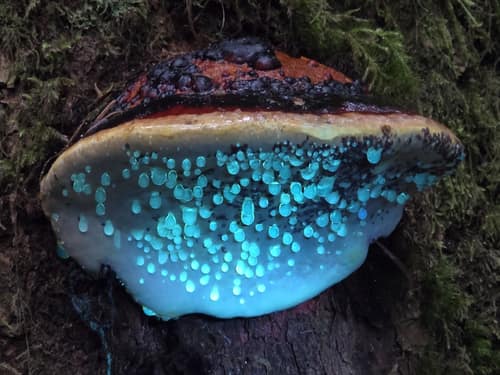
Co-Occurring Decay Fungus (c) Alan Rockefeller, some rights reserved (CC BY) · cc-by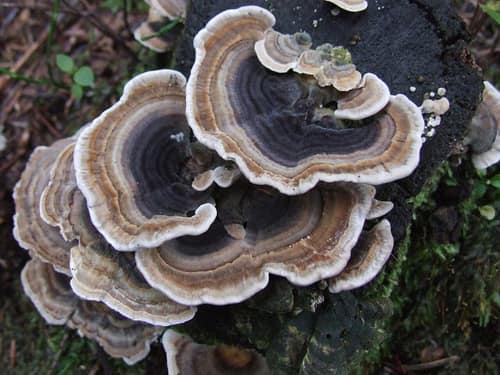
Similar Bracket Fungus Jerzy Opioła / CC BY-SA 3.0 · cc-by-sa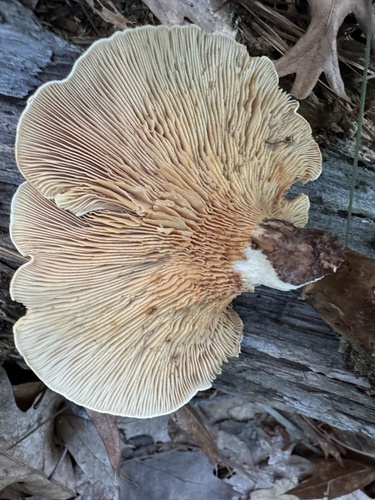
Conifer Associate (c) Elizabeth Axley, some rights reserved (CC BY) · cc-by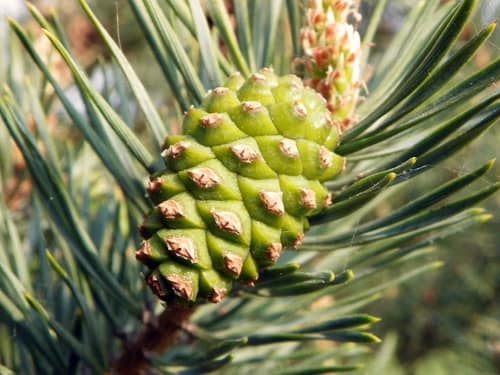
Host Plant (c) anemoneprojectors (no internet at the moment), some rights reserved (CC BY-SA) · cc-by-sa
Help improve the field guideSomething wrong?
Checking your Fauna account…Report a name, category, or profile issue for review.