
Fungus
Russula pectinatoides
Russula pectinatoidesAlso known as Pectinate Russula, Comb Brittlegill
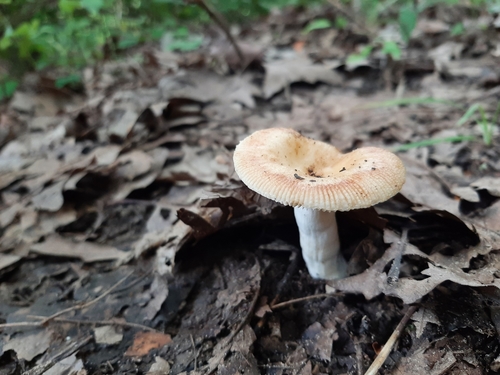
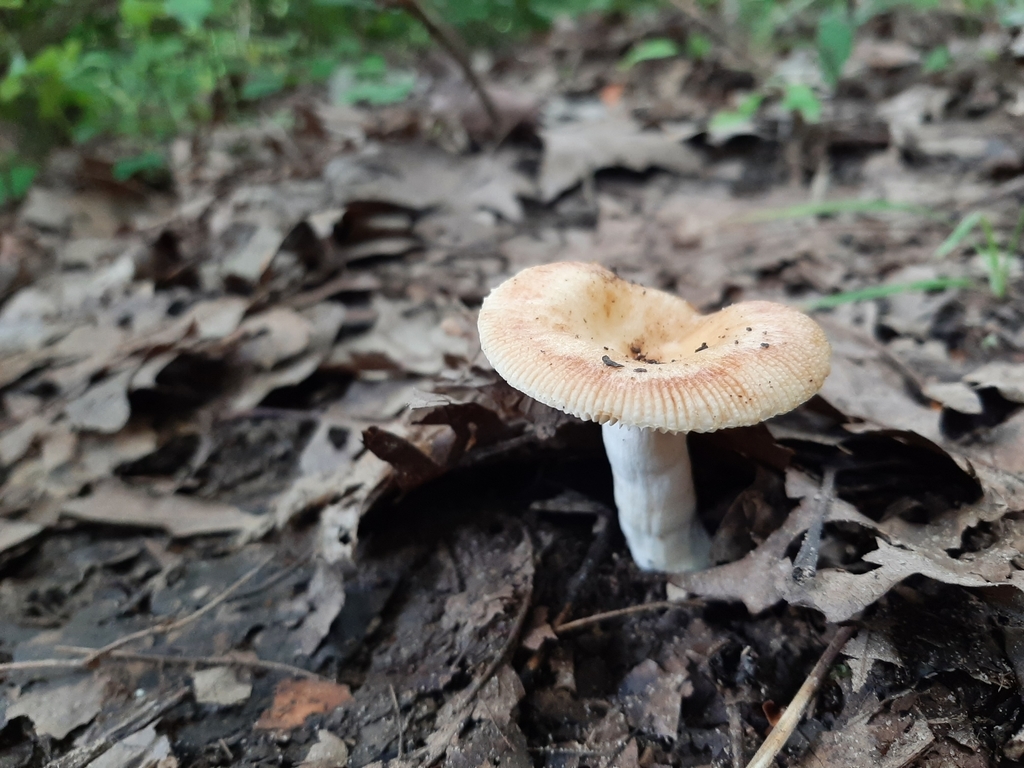
Comb russulas sprout near mature hardwoods and oaks, identifiable by their dull straw-yellow to brownish caps with deeply grooved, comb-like edges. Their extremely brittle tissue snaps cleanly like chalk when handled, a key signature of the brittlegill family. As these mushrooms mature, they release a subtle oily or slightly rancid odor while forming vital subterranean connections with host trees.
FungusMycorrhizalForest Dweller
—observations
—countries
—peak records
Least ConcernConservation statusIUCN Red List categoriesLCNTVUENCREWEXLeast ConcernRed List categories, explained →
Diet & preyMycorrhizal
Predators
- Fungus Gnats
- Slugs
- Forest Rodents
ThreatsHabitat Loss
HabitatsDeciduous and Mixed Woodlands
Life spanA few days to two weeks
Classification
- OrderRussulales
- FamilyRussulaceae
- GenusRussula
- SpeciesRussula pectinatoides
Range data is not available yet.
Interaction riskHigh
- Low
- Moderate
- High
- Very high
- Why interaction risk is high
- Many edible mushrooms have toxic look-alikes; never eat wild fungi based on app identification alone.
- Why it is dangerous
- Contains gastrointestinal toxins that induce severe nausea, vomiting, and abdominal pain if ingested.
- How to recognize a risky encounter
- Look for a dull yellow-brown cap with deeply lined edges, brittle white gills, and an unpleasant oily scent.
- What to do
- Observe or photograph in place, and never consume wild mushrooms identified solely through field observation.
Responsible observation
- Observe the margin: Look for deep radial grooves running along the edge of the cap.
- Check the stem: Gentle pressure reveals brittle flesh that snaps without fibrous tearing.
- Note the scent: Scratch the cap base to detect a distinct oily or rubbery odor.
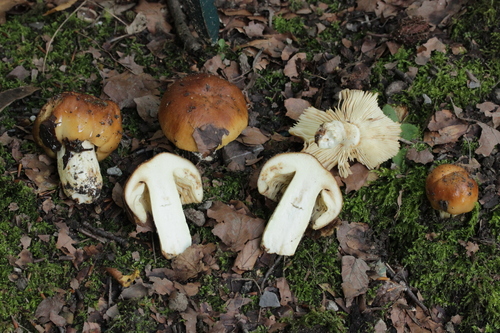
Look-alike (c) Björn Sothmann, some rights reserved (CC BY-SA), uploaded by Björn Sothmann · cc-by-sa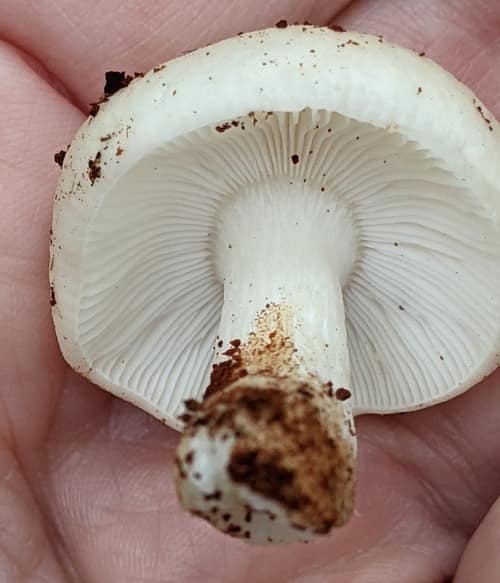
Genus Member (c) Sharon Squazzo, some rights reserved (CC BY), uploaded by Sharon Squazzo · cc-by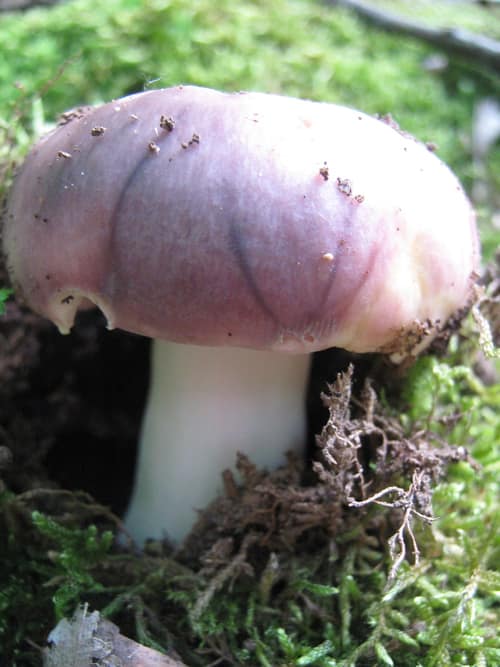
Genus Member (c) GLJIVARSKO DRUSTVO NIS, some rights reserved (CC BY) · cc-by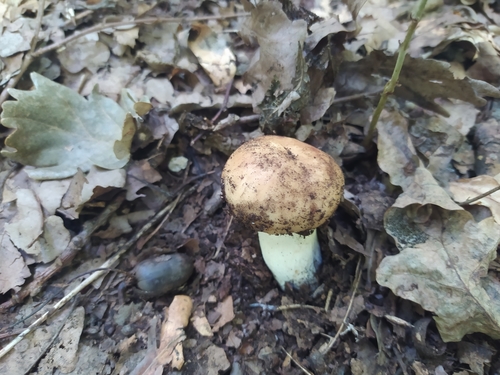
Close Relative (c) Анна Кириченко, some rights reserved (CC BY) · cc-by
Help improve the field guideSomething wrong?
Checking your Fauna account…Report a name, category, or profile issue for review.