
Fungus · GBIF taxon 2551419
Ochre Brittlegill
Russula ochroleucaAlso known as Common Yellow Russula, Yellow Brittlegill
Ochre brittlegills emerge across temperate woodlands in autumn, easily recognized by their mustard-yellow caps and brittle, chalk-like stalks. They form symbiotic partnerships with tree roots, trading mineral nutrients gathered from the soil for photosynthetic sugars. Older specimens often develop a distinctive greyish wash along the stem and duller ochre gills.
MushroomForest FloorAutumnal
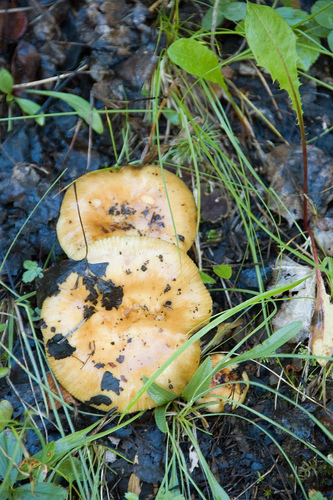
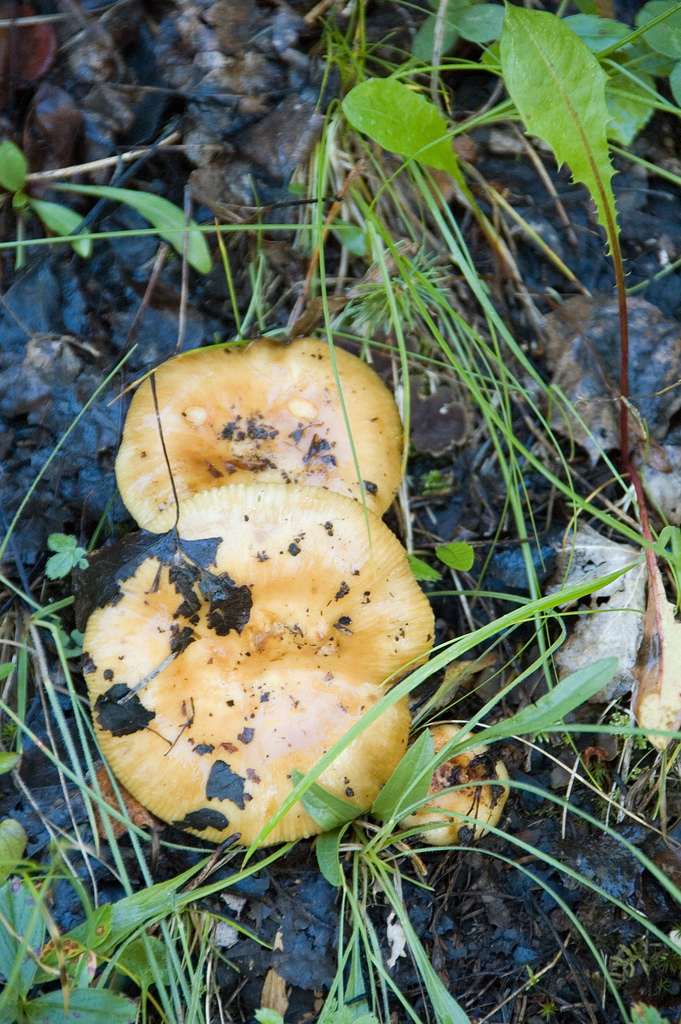
—observations
—countries
—peak records
Least ConcernConservation statusIUCN Red List categoriesLCNTVUENCREWEXLeast ConcernRed List categories, explained →
Diet & prey
- Mycorrhizal
Predators
- Slugs
- Fungus Gnats
- Squirrels
ThreatsHabitat disruption and soil pollution
HabitatsDeciduous and coniferous woodlands
Life spanFruiting body lasts 1 to 2 weeks
Size / weightNot available
Classification
- OrderRussulales
- FamilyRussulaceae
- GenusRussula
- SpeciesRussula ochroleuca
Range data is not available yet.
Interaction riskLow
- Low
- Moderate
- High
- Very high
- Why interaction risk is low
- Many edible mushrooms have toxic look-alikes; never eat wild fungi based on app identification alone.
Responsible observation
- Check Gill Texture: Gently touch the gills to observe their snap-brittle structure characteristic of the genus.
- Inspect the Stipe: Look for grey discoloration on older stems during wet weather.
- Search Host Trees: Scan the damp leaf litter near mature beech, oak, or birch trees.
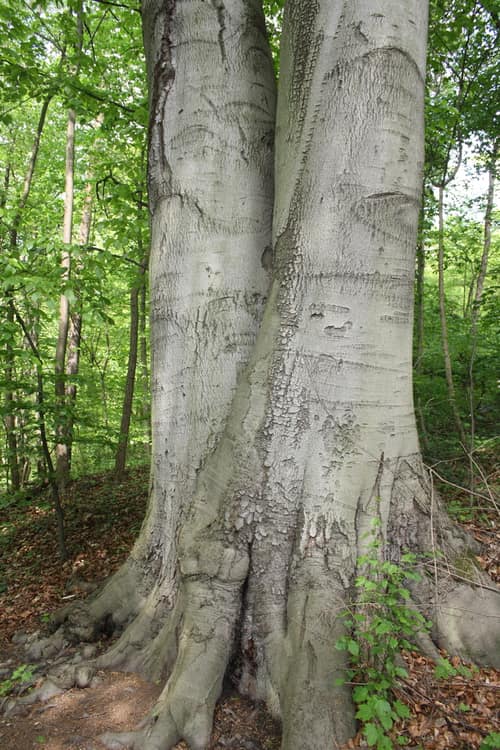
Mycorrhizal Host (c) Daniel Linzbauer, some rights reserved (CC BY), uploaded by Daniel Linzbauer · cc-by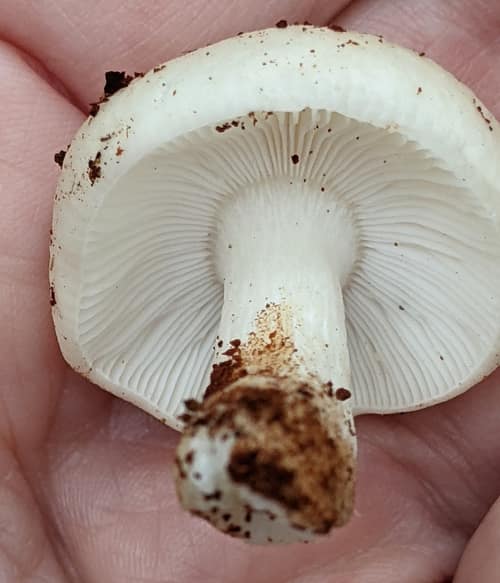
Close Relative (c) Sharon Squazzo, some rights reserved (CC BY), uploaded by Sharon Squazzo · cc-by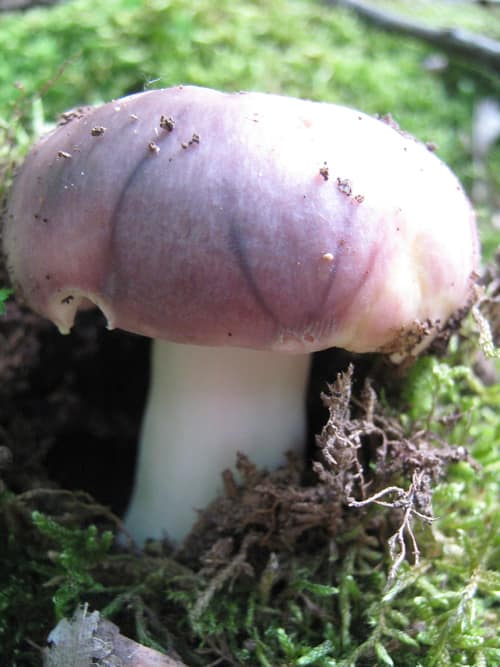
Close Relative (c) GLJIVARSKO DRUSTVO NIS, some rights reserved (CC BY) · cc-by
Help improve the field guideSomething wrong?
Checking your Fauna account…Report a name, category, or profile issue for review.