
Fungus
Shellfish-scented Russula
Russula xerampelinaAlso known as Shrimp Russula, Crab Brittlegill, Shrimp Mushroom
Shellfish-scented Russulas form vital mycorrhizal partnerships with conifer root systems, exchanging scavenged minerals for plant sugars across the northern temperate zone. The fruiting bodies produce a distinctive shellfish or boiled crab aroma that becomes markedly stronger as the cap matures or dries. Unlike many red-capped brittlegills that cause digestive upset, its white flesh turns a characteristic deep olive green when touched with a crystal of iron sulfate.
FungusWoodlandMycorrhizal
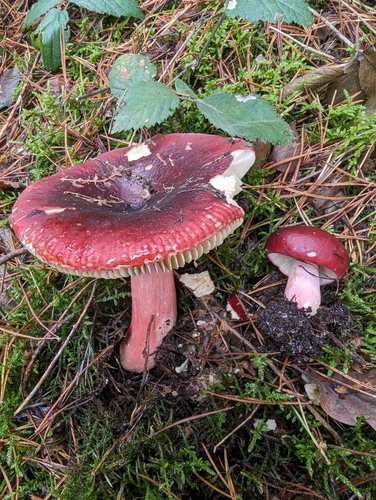
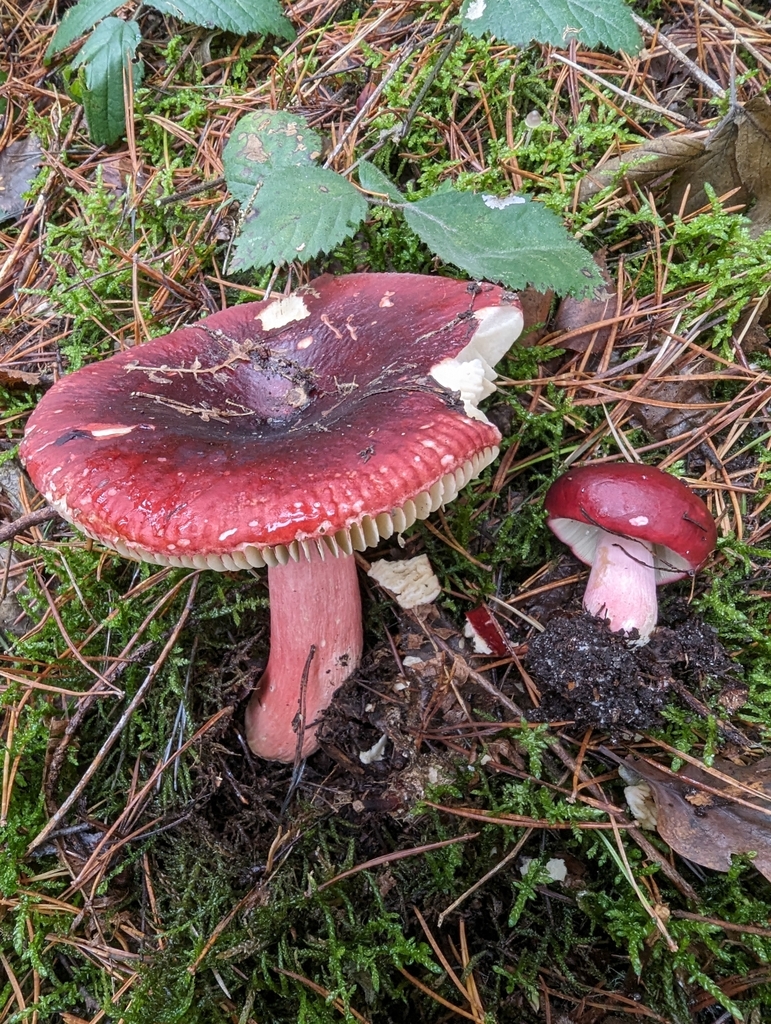
—observations
—countries
—peak records
Not EvaluatedConservation statusIUCN Red List categoriesLCNTVUENCREWEXNot Evaluated — not placed on the risk ladderRed List categories, explained →
Diet & preyMycorrhizal
Predators
- Slugs
- Fungus gnat larvae
- Red squirrels
ThreatsClear-cutting, soil compaction, loss of mature host trees
HabitatsConiferous and mixed woodlands, mossy forest floors
Life spanPerennial underground mycelium; fruiting bodies last 1–2 weeks
Classification
- OrderRussulales
- FamilyRussulaceae
- GenusRussula
- SpeciesRussula xerampelina
Range data is not available yet.
Interaction riskLow
- Low
- Moderate
- High
- Very high
- Why interaction risk is low
- Many mushrooms have toxic look-alikes; never eat wild fungi based on app identification alone.
Responsible observation
- Scent Check: Gently rub mature gills to detect the faint, crab-like seafood odor.
- Spore Inspection: Take a spore print on white paper to see the pale cream to ochre dust.
- Macrochemical Test: Touch the stem with ferrous sulfate to observe a diagnostic olive-green shift.
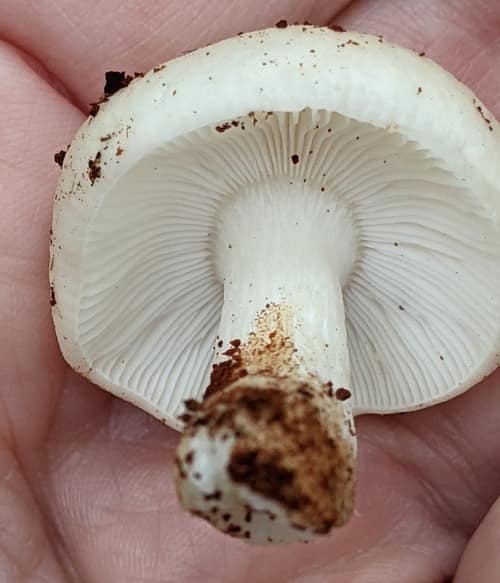
Look-alike (c) Sharon Squazzo, some rights reserved (CC BY), uploaded by Sharon Squazzo · cc-by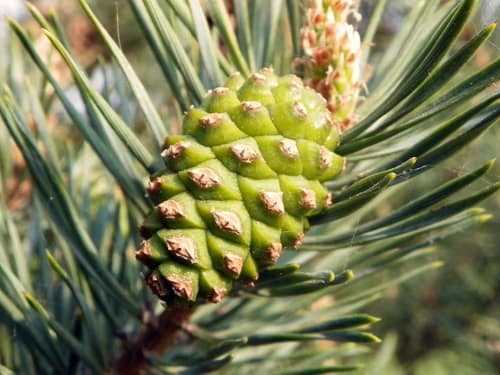
Host Plant (c) anemoneprojectors (no internet at the moment), some rights reserved (CC BY-SA) · cc-by-sa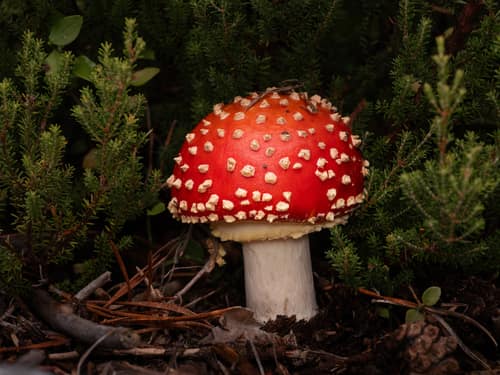
Frequent Companion (c) Borja Fierro, some rights reserved (CC BY), uploaded by Borja Fierro · cc-by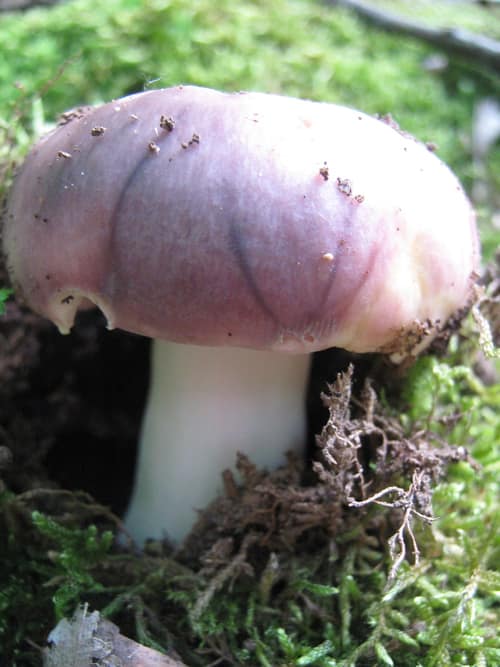
Same Genus (c) GLJIVARSKO DRUSTVO NIS, some rights reserved (CC BY) · cc-by
Help improve the field guideSomething wrong?
Checking your Fauna account…Report a name, category, or profile issue for review.