
Fungus · GBIF taxon 2551240
Rosy Brittlegill
Russula roseaAlso known as Rosy Russula, Hard Beech Russula
Rosy russulas feature a dense, carmine to blush-pink cap supported by chalk-white gills and an uncommonly rigid stem. These mycorrhizal fungi form vital underground partnerships with broadleaf trees, particularly beech and oak, across northern temperate woodlands. Their brittle, firm structure and non-peeling cap cuticle make them distinct markers of healthy forest soils in late summer and autumn.
FungusForest FloorMycorrhizal
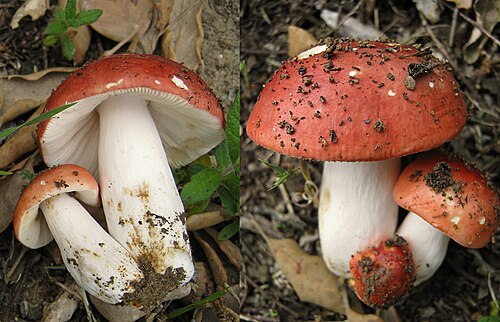
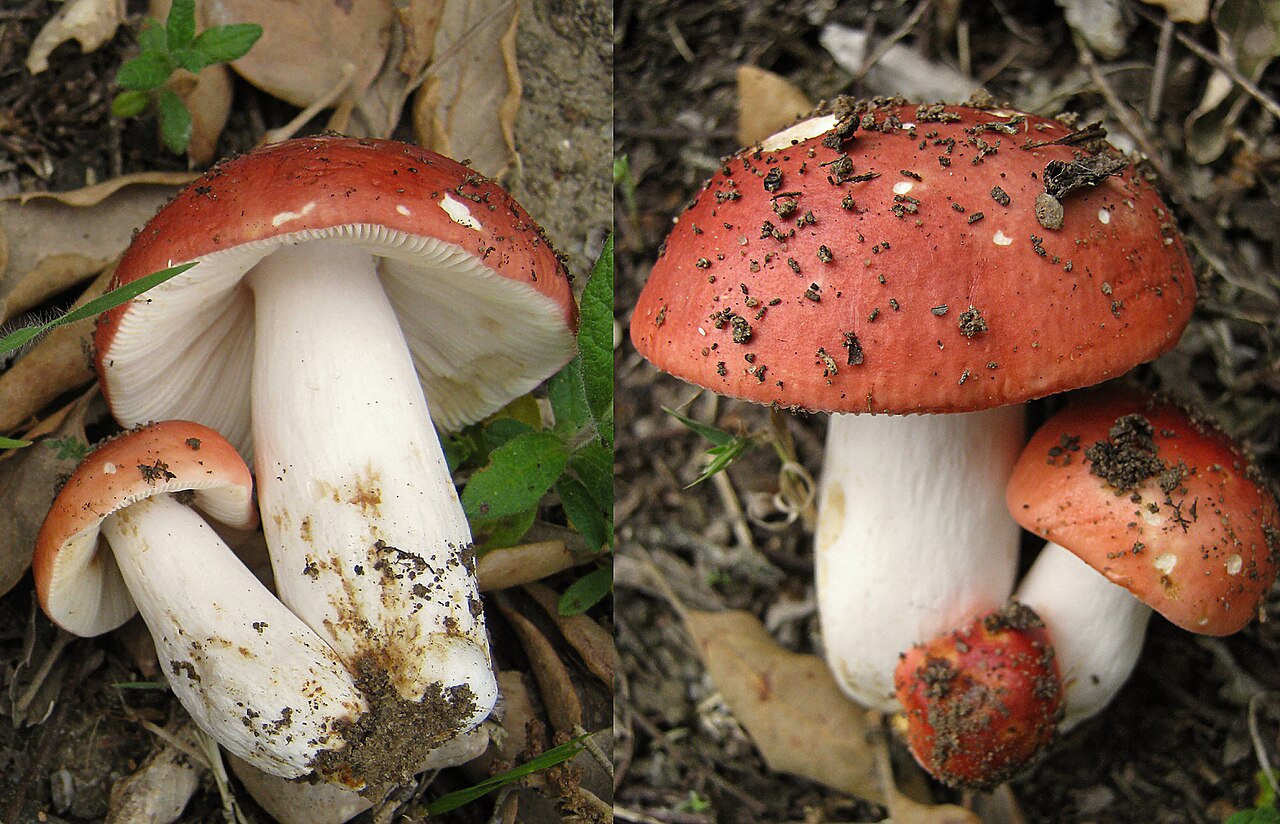
—observations
—countries
—peak records
Least ConcernConservation statusIUCN Red List categoriesLCNTVUENCREWEXLeast ConcernRed List categories, explained →
Diet & prey
- Mycorrhizal (Symbiotic)
Predators
- Slugs
- Fungus Gnats
- Squirrels
ThreatsHabitat Loss and Soil Compaction
HabitatsTemperate Deciduous and Mixed Woodlands
Life spanPerennial Mycelium (Fruit bodies last 1–2 weeks)
Classification
- OrderRussulales
- FamilyRussulaceae
- GenusRussula
- SpeciesRussula rosea
Range data is not available yet.
Interaction riskLow
- Low
- Moderate
- High
- Very high
- Why interaction risk is low
- Many wild mushrooms have toxic look-alikes; never eat wild fungi based on app identification alone.
Responsible observation
- Check Stem Firmness: Gently press the stipe to feel for the unusually dense, chalk-like rigidity typical of this species.
- Examine Cap Cuticle: Inspect the cap edge where the skin barely peels away, unlike most red brittlegills.
- Search Near Hardwoods: Look around mature beech and oak trees during damp autumn spells where mycelium fruits.
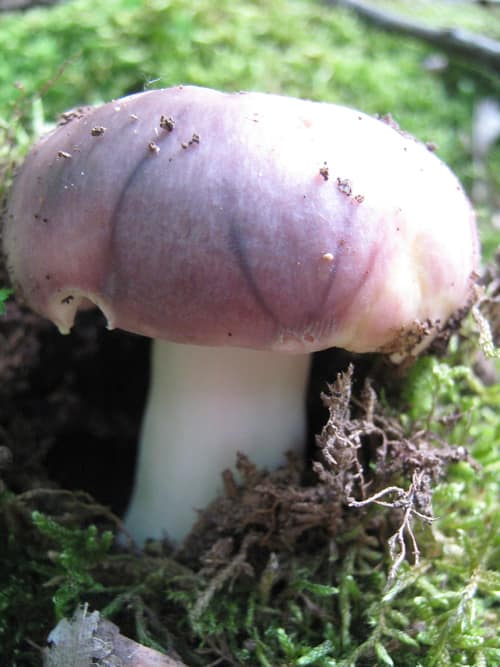
Genus Member (c) GLJIVARSKO DRUSTVO NIS, some rights reserved (CC BY) · cc-by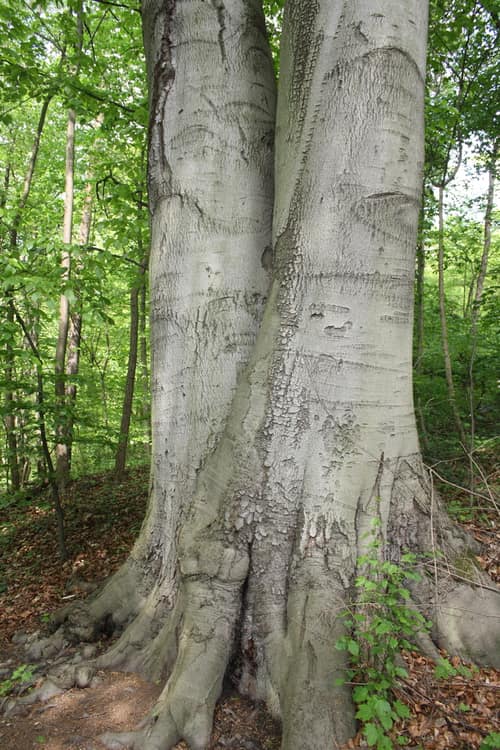
Host Tree (c) Daniel Linzbauer, some rights reserved (CC BY), uploaded by Daniel Linzbauer · cc-by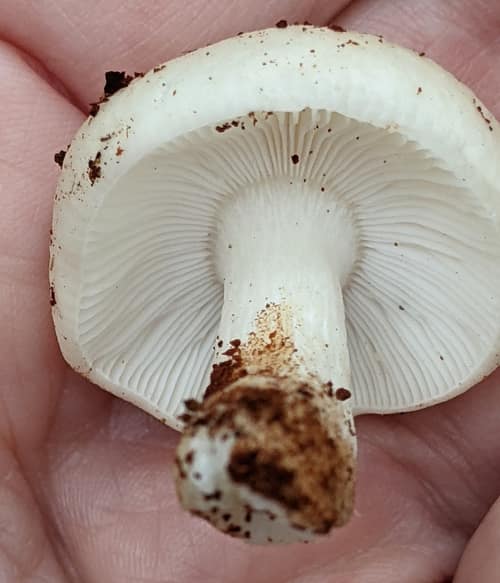
Close Relative (c) Sharon Squazzo, some rights reserved (CC BY), uploaded by Sharon Squazzo · cc-by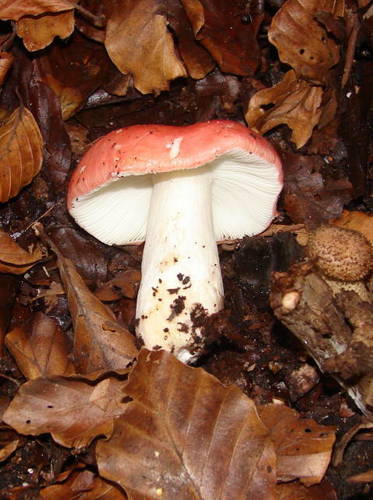
Close Relative (c) David Hawgood, some rights reserved (CC BY-SA) · cc-by-sa
Help improve the field guideSomething wrong?
Checking your Fauna account…Report a name, category, or profile issue for review.