
Fungus
The Sickener
Russula emeticaAlso known as Sickener, Emetic Russula, Vomiting Russula
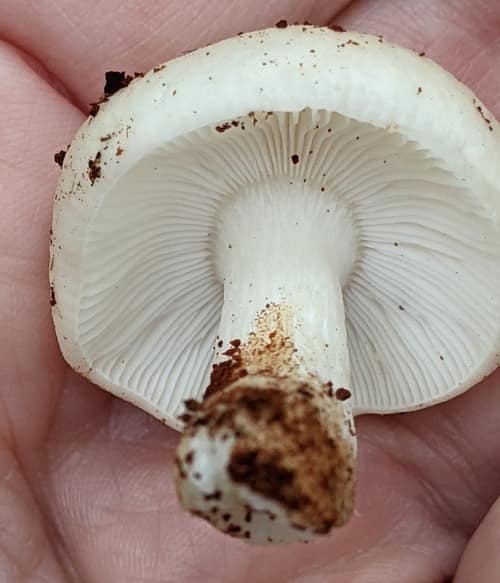
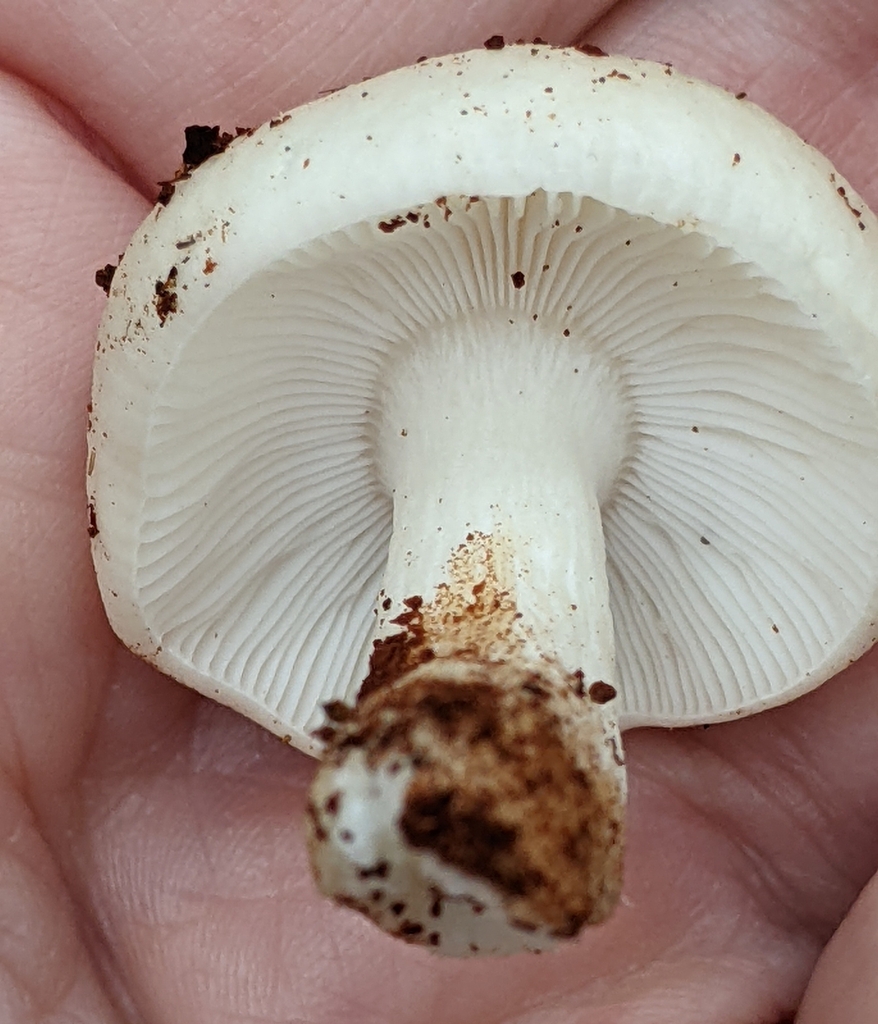
The sickener has a vivid red cap, white brittle gills, and a chalky white stem that snaps rather than bending. Its peppery flesh and gastrointestinal toxins make field tasting inappropriate and ingestion can cause vomiting and abdominal distress.
brittlegillred-capped fungusmycorrhizal fungus
—observations
—countries
—peak records
Least ConcernConservation statusIUCN Red List categoriesLCNTVUENCREWEXLeast ConcernRed List categories, explained →
Diet & preyExchanges soil minerals and water for sugars through mycorrhizal partnerships with trees
Predators
- slugs
- fungus gnats
- small mammals
ThreatsForest clearing, drought, soil compaction, loss of host trees, and disruption of fungal networks
HabitatsDamp coniferous and mixed forest floor, often near pines and other host trees
Life spanVisible mushrooms persist for days, while the underground mycelium may live for many years
Classification
- OrderRussulales
- FamilyRussulaceae
- GenusRussula
- SpeciesRussula emetica
Range data is not available yet.
Interaction riskHigh
- Low
- Moderate
- High
- Very high
- Why interaction risk is high
- Toxic look-alikes are easily misidentified; do not eat or ingest this or any unverified wild fungus.
- Why it is dangerous
- Ingestion can cause rapid nausea, vomiting, abdominal pain, and diarrhea, and red Russula identification is difficult.
- How to recognize a risky encounter
- Cap color varies and several red brittlegills overlap; never use a taste test to confirm identity.
- What to do
- Do not consume or prepare it; if ingestion occurs, contact a poison center or medical professional promptly.
Responsible observation
- Identify: Note the red cap, white brittle gills, and clean white stem without tasting it.
- Observe: Leave the mushroom and surrounding litter intact for the forest food web.
Help improve the field guideSomething wrong?
Checking your Fauna account…Report a name, category, or profile issue for review.