
Fungus · GBIF taxon 2551208
Beechwood Sickener
Russula nobilisAlso known as Beech Sickener
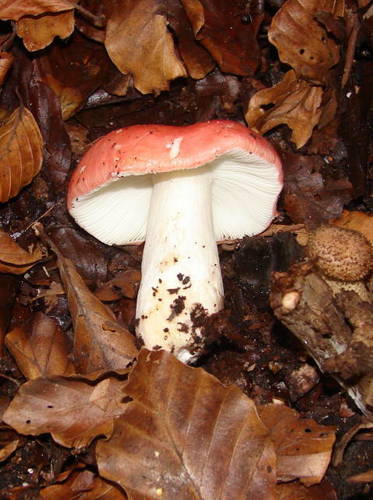
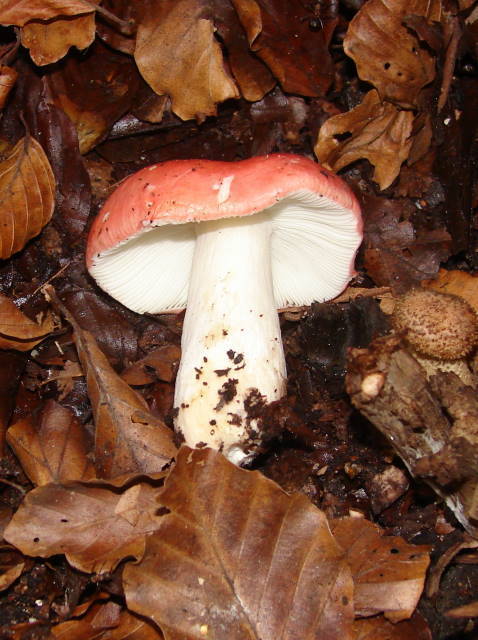
Beechwood sickeners form critical mycorrhizal partnerships almost exclusively with beech trees, trading soil nutrients and water for tree sugars. The striking carmine-red caps fade to pinkish-ochre blotches with age and rain, concealing extremely brittle, chalk-like white flesh that snaps cleanly like porcelain. Fruiting abundantly during late summer and autumn, they dot the damp leaf litter of temperate woodlands across Europe.
MycorrhizalForest FloorWoodland
—observations
—countries
—peak records
Not EvaluatedConservation statusIUCN Red List categoriesLCNTVUENCREWEXNot Evaluated — not placed on the risk ladderRed List categories, explained →
Diet & prey
- Mycorrhizal partner (obtains carbohydrates from host roots)
Predators
- Woodland slugs
- Fungus gnat larvae
- Wood mice
ThreatsDeforestation, compaction of forest soils, and atmospheric nitrogen pollution
HabitatsDeciduous woodlands, almost exclusively under mature beech trees
Life spanFruiting body lasts 4–10 days; fungal mycelium survives for decades
Size / weightNot available
Classification
- FamilyRussulaceae
- SpeciesRussula nobilis
Range data is not available yet.
Interaction riskHigh
- Low
- Moderate
- High
- Very high
- Why interaction risk is high
- Causes severe stomach illness and has toxic look-alikes; never consume wild fungi based on app identification.
- Why it is dangerous
- Contains irritating sesquiterpenoids that cause intense abdominal cramps, nausea, vomiting, and diarrhea within hours of ingestion.
- How to recognize a risky encounter
- Look for a bright red cap that fades to pinkish-yellow, brittle white gills, and an exclusive association with beech trees.
- What to do
- Harmless to touch, but wash hands after handling and never prepare or consume wild mushrooms.
Responsible observation
- Look near beeches: Check the damp leaf litter directly beneath mature beech canopies from August to November.
- Gentle inspection: Gently turn the cap to observe the brittle, chalky white stem without disturbing the underground mycelium.
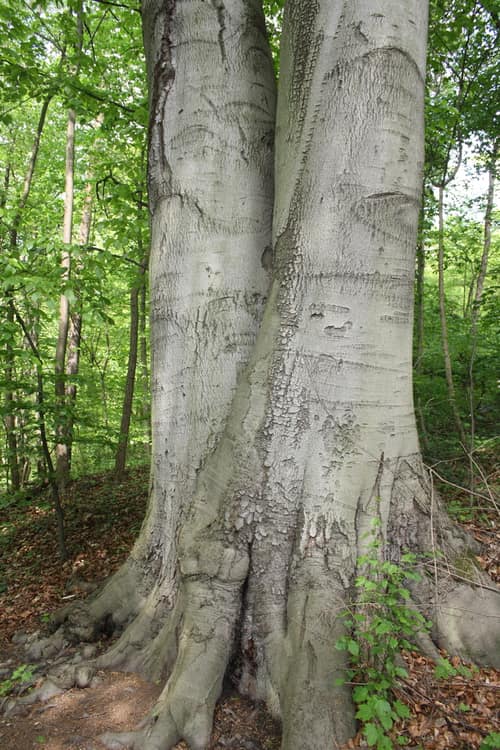
Mycorrhizal Host (c) Daniel Linzbauer, some rights reserved (CC BY), uploaded by Daniel Linzbauer · cc-by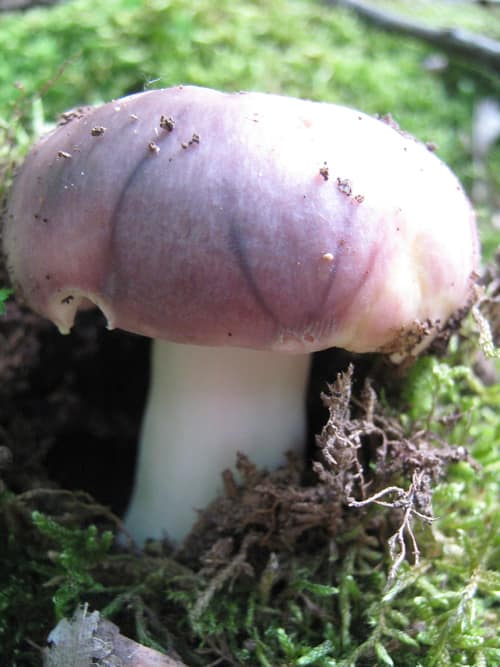
Same Genus (c) GLJIVARSKO DRUSTVO NIS, some rights reserved (CC BY) · cc-by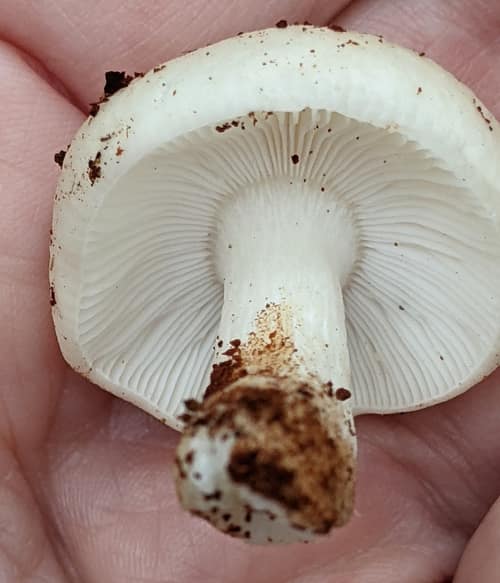
Close Relative (c) Sharon Squazzo, some rights reserved (CC BY), uploaded by Sharon Squazzo · cc-by
Help improve the field guideSomething wrong?
Checking your Fauna account…Report a name, category, or profile issue for review.