
Fungus
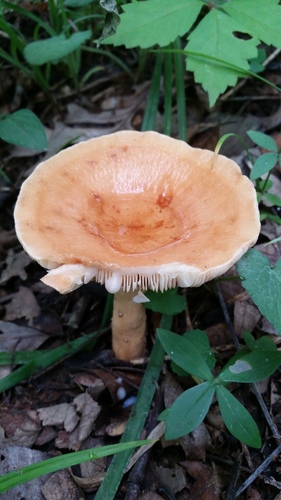
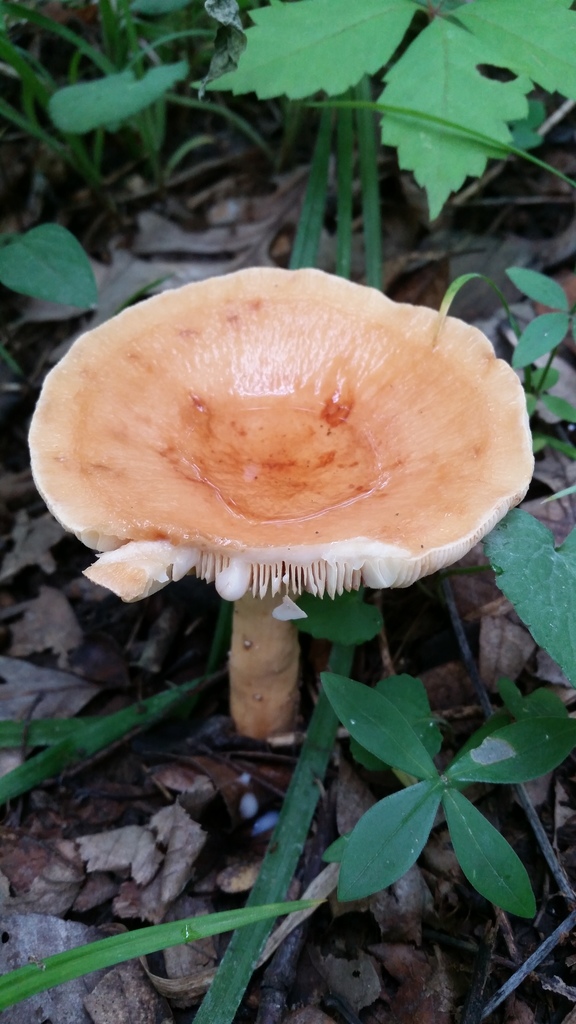
Weeping Milk Cap
Lactifluus volemusAlso known as Bradley, Tawny Milkcap, Orange-brown Milky
Weeping milk caps emerge on temperate forest floors during warm summer and autumn months, forming symbiotic mycorrhizal partnerships with broadleaf trees such as oaks and beeches. When injured or sliced, the gills weep copious amounts of sticky, white latex that rapidly stains brown upon exposure to air. Mature fruiting bodies develop a distinctive, penetrating odor reminiscent of shellfish or fish.
MycorrhizalLatex-bearingForest Dweller
—observations
—countries
—peak records
Least ConcernConservation statusIUCN Red List categoriesLCNTVUENCREWEXLeast ConcernRed List categories, explained →
Diet & preyMycorrhizal (exchanges minerals and water for plant sugars)
Predators
- Fungus gnats
- Slugs
- Woodland rodents
ThreatsDeforestation, soil compaction, and severe drought
HabitatsDeciduous and mixed forests, particularly near oaks, beeches, and conifers
Life spanMushroom caps persist 5–12 days; mycelium can live for decades
Classification
- OrderRussulales
- FamilyRussulaceae
- GenusLactifluus
- SpeciesLactifluus volemus
Range data is not available yet.
Interaction riskLow
- Low
- Moderate
- High
- Very high
- Why interaction risk is low
- Many edible mushrooms have toxic look-alikes; never eat wild fungi based on app identification alone.
Responsible observation
- Latex Observation: Gently nick the gills to watch the thick, white milky latex bead and flow.
- Scent Identification: Check mature specimens for a distinct, pungent fishy aroma.
- Habitat Scanning: Look among leaf litter and moss under mature hardwoods after summer rain.
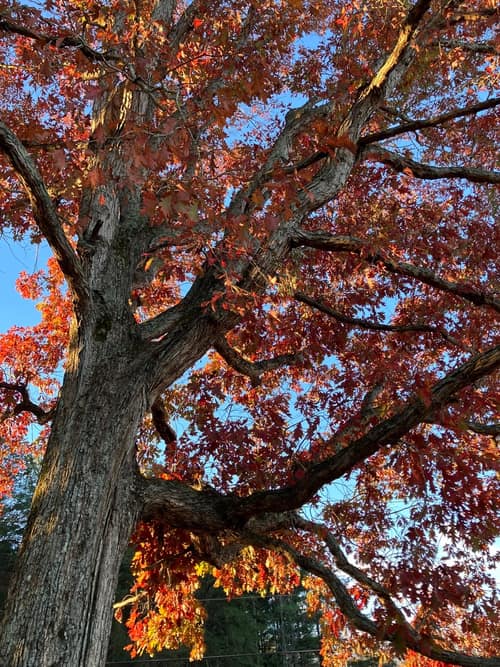
Host Plant (c) Alicia Ballard, some rights reserved (CC BY) · cc-by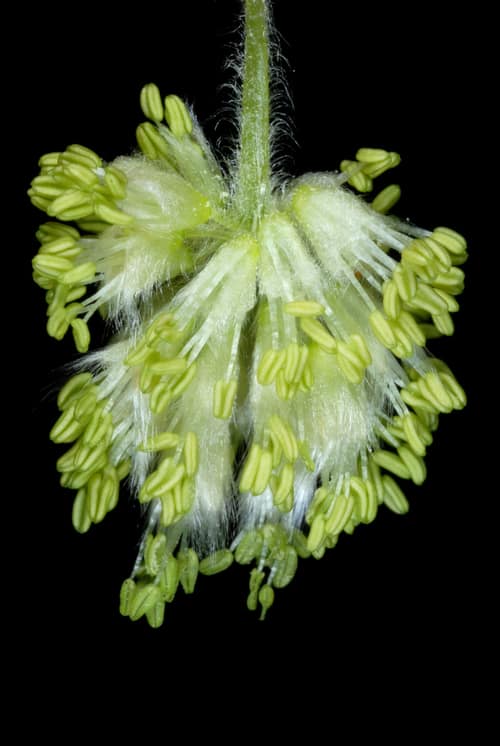
Host Plant (c) Douglas Goldman, some rights reserved (CC BY-SA), uploaded by Douglas Goldman · cc-by-sa Image unavailable
Close Relative Same Family
Help improve the field guideSomething wrong?
Checking your Fauna account…Report a name, category, or profile issue for review.