
Fungus
Palm Butt Rot Fungus
Ganoderma zonatumAlso known as Palm Butt Rot, Palm Conk, Ganoderma Butt Rot Fungus
Palm butt rot fungus is a destructive plant pathogen that attacks palms, entering through roots or lower trunk wounds to degrade internal wood structures. As the mycelium consumes the host from within, dark mahogany shelf-like conks emerge near the base with a pale growing margin and zonate upper surface. Infected palms gradually experience wilting fronds, stunted growth, and ultimate structural collapse near the soil line.
Wood-DecayingPathogenicFungus


—observations
—countries
—peak records
Not EvaluatedConservation statusIUCN Red List categoriesLCNTVUENCREWEXNot Evaluated — not placed on the risk ladderRed List categories, explained →
Diet & preyLignicolous wood decay (parasitic and saprophytic on palms)
Predators
- Fungivorous Beetles
- Mites
- Fungus Gnat Larvae
ThreatsRemoval of infected host trees and soil sterilization
HabitatsSubtropical and tropical landscapes, palm plantations, coastal woodlands
Life spanPerennial fruiting bodies; tree infection persists multiple years
Classification
- OrderPolyporales
- FamilyPolyporaceae
- GenusGanoderma
- SpeciesGanoderma zonatum
Range data is not available yet.
Interaction riskLow
- Low
- Moderate
- High
- Very high
- Why interaction risk is low
- Many edible mushrooms have toxic look-alikes; never eat wild fungi based on app identification alone.
Responsible observation
- Spotting Conks: Look for reddish-brown, shelf-like fruiting bodies forming near the base of declining palm trunks.
- Management Care: Avoid planting susceptible palms in soil where an infected tree was previously removed.
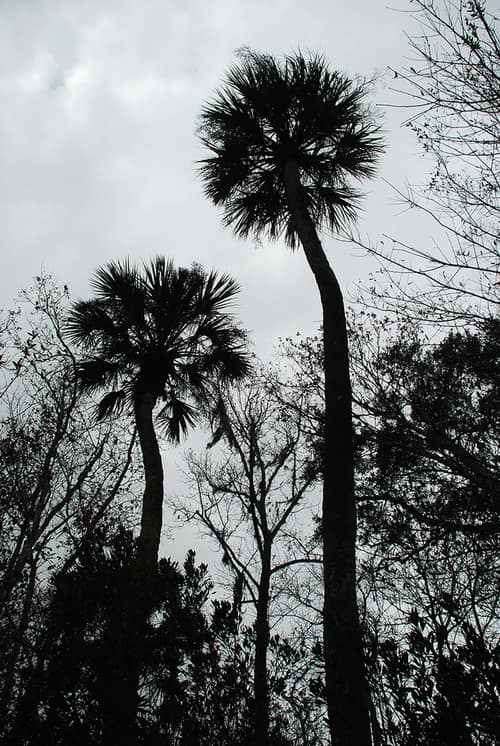
Host Plant (c) Douglas Goldman, some rights reserved (CC BY-SA), uploaded by Douglas Goldman · cc-by-sa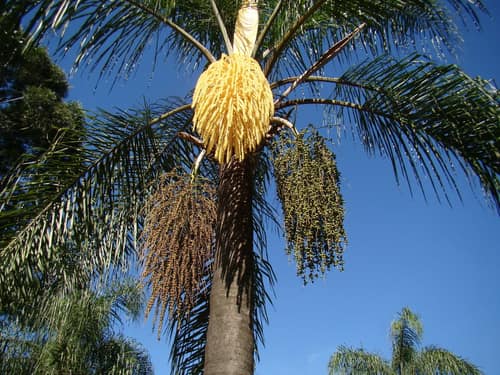
Host Plant (c) mauro halpern, some rights reserved (CC BY) · cc-by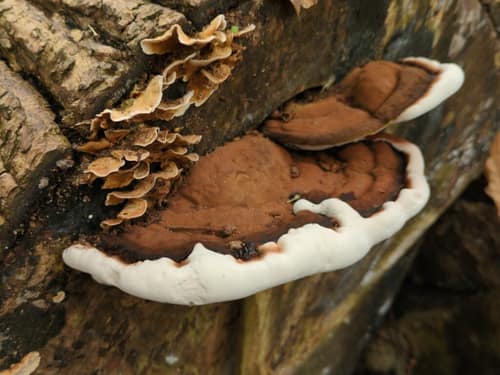
Close Relative no rights reserved · cc0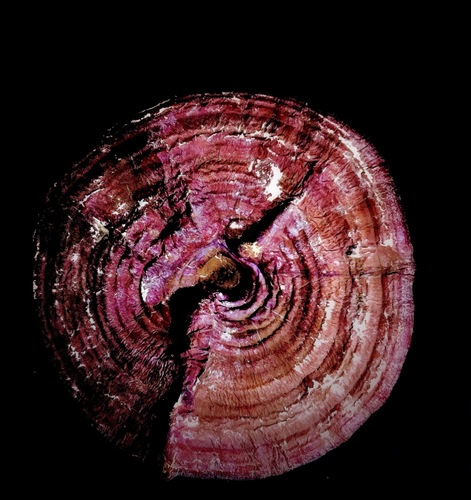
Close Relative (c) Chael Thomas, some rights reserved (CC BY-SA), uploaded by Chael Thomas · cc-by-sa
Keep collecting in Fauna
Found in Collections
Ecosystem chain Pro
Secret Garden
Palm Butt Rot Fungus is found in this collection. Identify it in Fauna to fill this slot and continue your progress.
Unlock to track progress
Help improve the field guideSomething wrong?
Checking your Fauna account…Report a name, category, or profile issue for review.