
Fungus
Fringed Sawgill
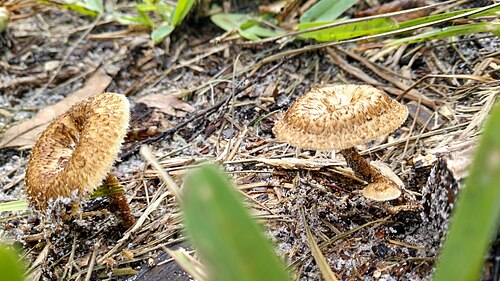
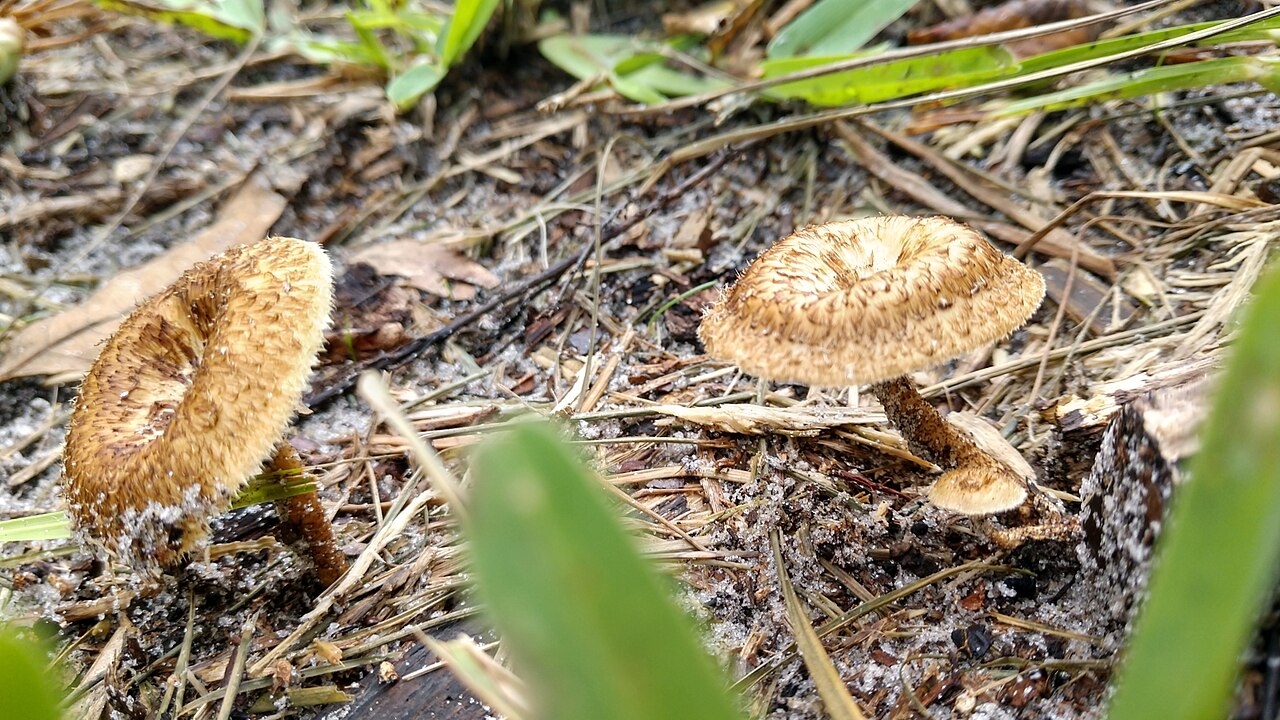
Lentinus crinitusFringed sawgills sprout from decaying hardwood in warm, humid forests, easily identified by dense coats of bristly, reddish-brown hairs covering their funnel-shaped caps. Their decurrent gills feature distinctive serrated or saw-toothed edges that release spores into the understory breeze. Thanks to tough, leathery flesh, their fruiting bodies resist decay far longer than soft-capped mushrooms and can endure intermittent dry spells without shriveling away.
Wood-DecaySaprotrophicForest Fungus
—observations
—countries
—peak records
Not EvaluatedConservation statusIUCN Red List categoriesLCNTVUENCREWEXNot Evaluated — not placed on the risk ladderRed List categories, explained →
Diet & preyHardwood lignin, Dead wood cellulose
Predators
- Fungus beetles
- Fly larvae
- Slugs
ThreatsDeforestation and clear-cutting of mature deadwood
HabitatsTropical, subtropical, and warm temperate forests
Life spanFruiting body persists several weeks; mycelium lives for years
Classification
- OrderPolyporales
- FamilyPolyporaceae
- GenusLentinus
- SpeciesLentinus crinitus
Range data is not available yet.
Interaction riskLow
- Low
- Moderate
- High
- Very high
- Why interaction risk is low
- Many edible mushrooms have toxic look-alikes; never eat wild fungi based on app identification alone.
Responsible observation
- Substrate checks: Look on fallen logs, rotting stumps, and dead hardwood branches after heavy rains.
- Examine the margins: Check the cap edge with a hand lens to see the stiff, hair-like bristles that give the species its name.
- Inspect the gills: Look underneath to see the distinct, fine saw-toothed serrations running down the stem.
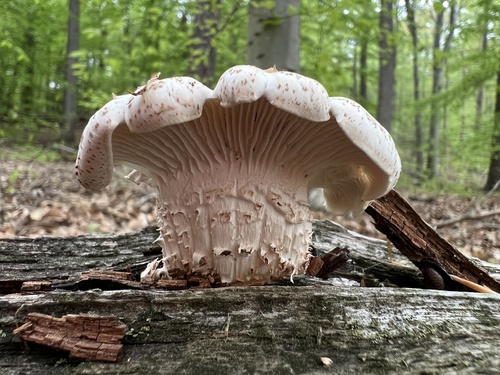
Ecological Neighbor (c) Annie Weissman, some rights reserved (CC BY) · cc-by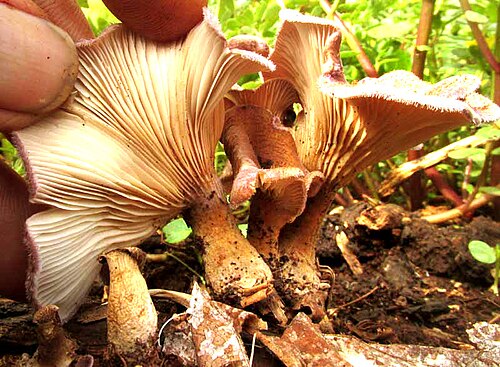
Look-alike Gaiacoyote / CC0 · cc0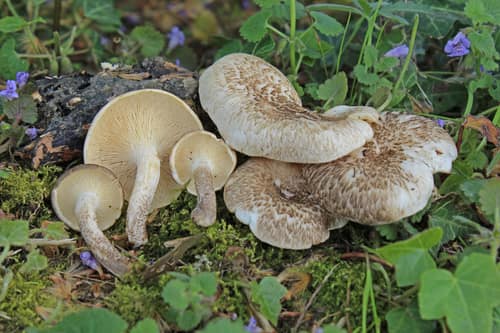
Close Relative (c) Davide Puddu, some rights reserved (CC BY), uploaded by Davide Puddu · cc-by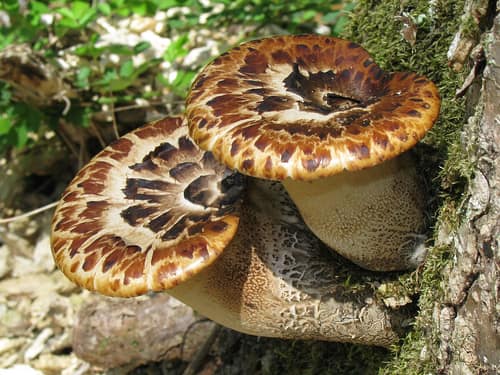
Same Family Dan Molter / CC BY-SA 3.0 · cc-by-sa
Keep collecting in Fauna
Found in Collections
Ecosystem chain Pro
Secret Garden
Fringed Sawgill is found in this collection. Identify it in Fauna to fill this slot and continue your progress.
Unlock to track progress
Help improve the field guideSomething wrong?
Checking your Fauna account…Report a name, category, or profile issue for review.