
Fungus · GBIF taxon 2542395
Red-banded Polypore
Fomitopsis pinicolaAlso known as Red-belted Conk
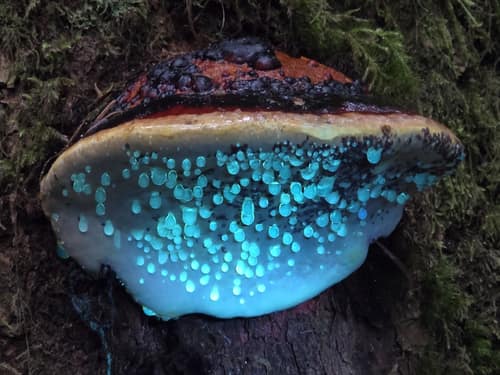
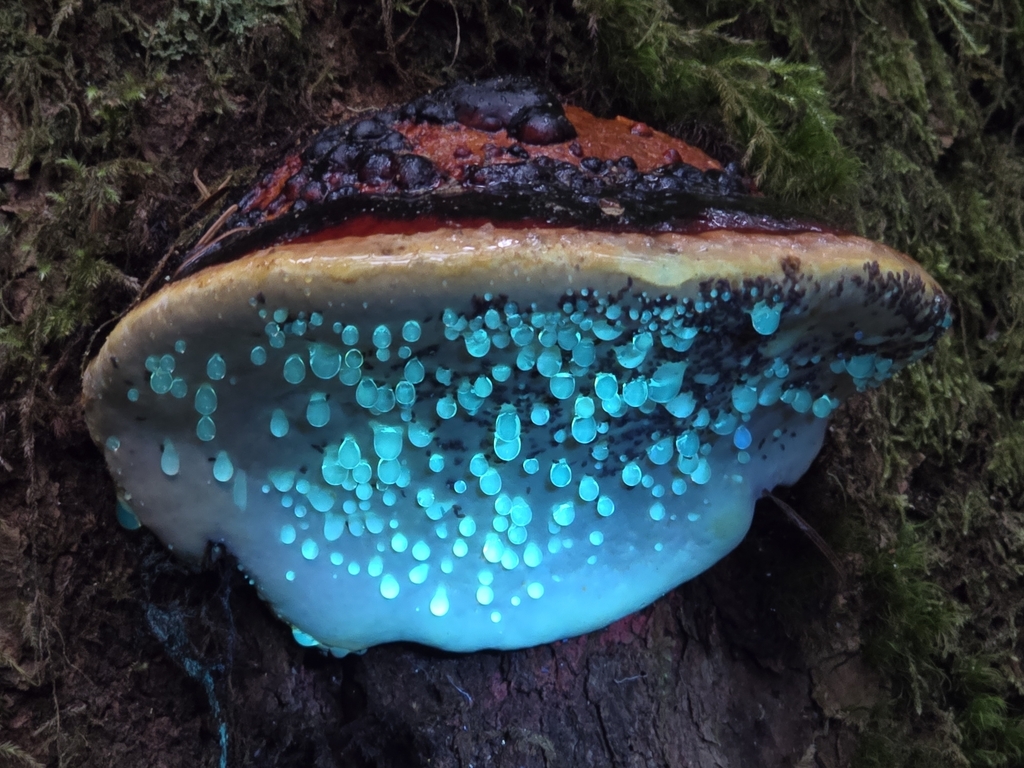
Red-banded Polypores form tough hoof-shaped brackets with pale growing margins and a distinct reddish-orange band. The lower surface is covered with tiny pores, and older upper surfaces darken and become crusted.
bracket fungusbrown rotred band
—observations
—countries
—peak records
Not EvaluatedConservation statusIUCN Red List categoriesLCNTVUENCREWEXNot Evaluated — not placed on the risk ladderRed List categories, explained →
Diet & prey
- Decomposes structural wood and produces brown rot in dead or weakened trees
Predators
- beetle larvae
- slugs
- small mammals
ThreatsRemoval of dead wood, intensive forestry, drought, and loss of mature host trees
HabitatsConifer and mixed forest, fallen logs, stumps, snags, and weakened standing trees
Life spanIndividual brackets can persist for multiple years while internal mycelium lasts much longer
Size / weightNot available
Classification
- OrderPolyporales
- FamilyFomitopsidaceae
- GenusFomitopsis
- SpeciesFomitopsis pinicola
Range data is not available yet.
Interaction riskLow
- Low
- Moderate
- High
- Very high
- Why interaction risk is low
- Red-banded conks have confusing look-alikes; do not eat or ingest a wild fungus without expert confirmation.
Responsible observation
- Identify: Check for a red-orange belt above a pale pore surface on a woody bracket.
- Observe: Leave the bracket and host wood intact for decomposer communities.
Keep collecting in Fauna
Found in Collections
Ecosystem chain Pro
Secret Garden
Red-banded Polypore is found in this collection. Identify it in Fauna to fill this slot and continue your progress.
Unlock to track progress
Help improve the field guideSomething wrong?
Checking your Fauna account…Report a name, category, or profile issue for review.