
Fungus · GBIF taxon 2542126
Dyeing Polypore
Phaeolus schweinitziiAlso known as Velvet-top Fungus, Dyer's Polypore, Dyer's Mazegill, Pine Dye Polypore
Dyeing polypore emerges as a velvety, yellowish-orange shelf near the bases of living conifers and old stumps. Over time, the growing cap turns coarse and dark brown, causing heartwood rot in mature pines and firs. Textile artisans frequently harvest mature fruiting bodies to extract rich brown, yellow, and green pigments.
FungusBracket FungusWood-Decaying
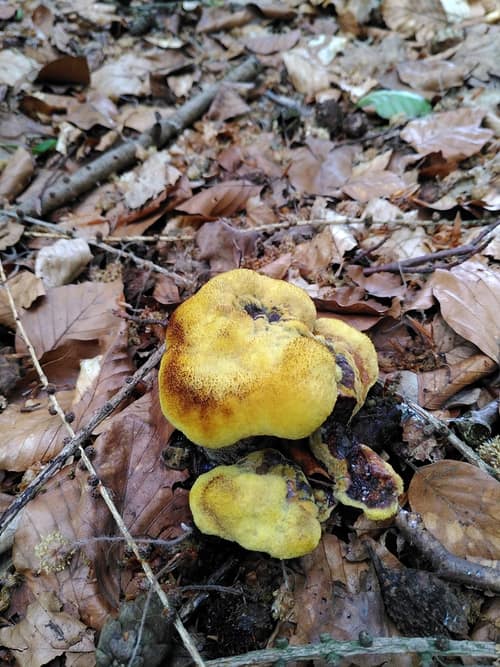
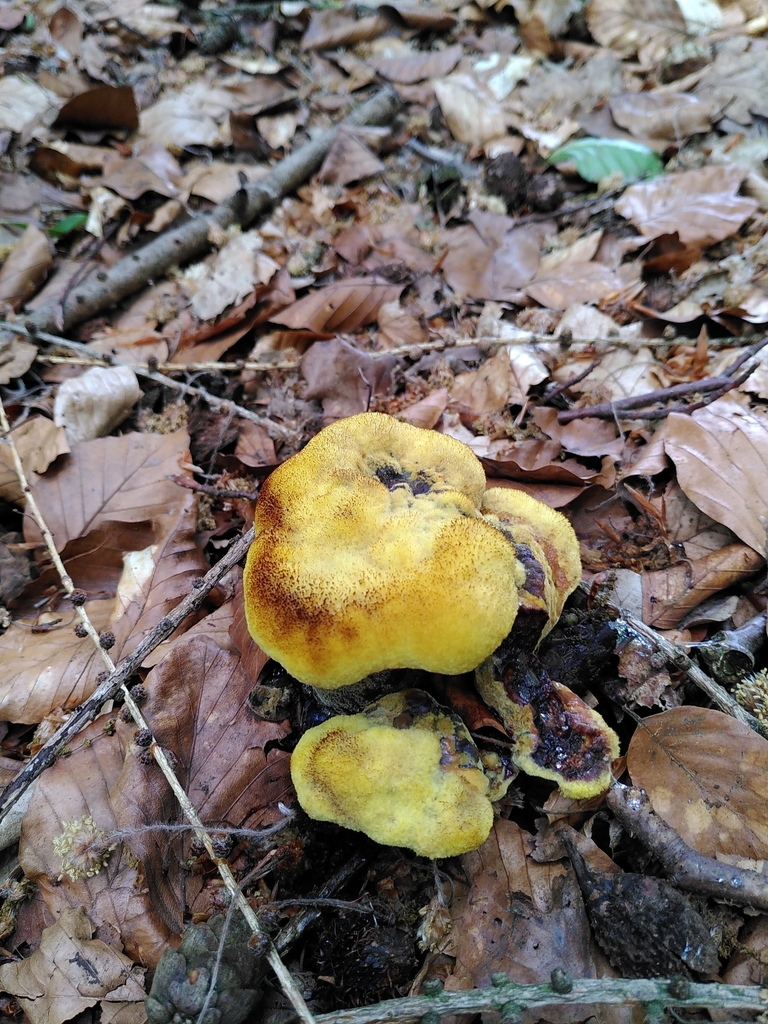
—observations
—countries
—peak records
Not EvaluatedConservation statusIUCN Red List categoriesLCNTVUENCREWEXNot Evaluated — not placed on the risk ladderRed List categories, explained →
Diet & prey
- Wood decomposer (conifer parasite and saprotroph)
Predators
- Fungus gnats
- Beetle larvae
- Slugs
ThreatsForest clearing, removal of host trees
HabitatsConiferous forests, bases of living conifers, decaying stumps
Life spanPerennial mycelium; annual fruiting bodies lasting several weeks
Size / weightNot available
Classification
- OrderPolyporales
- FamilyLaetiporaceae
- GenusPhaeolus
- SpeciesPhaeolus schweinitzii
Range data is not available yet.
Interaction riskLow
- Low
- Moderate
- High
- Very high
- Why interaction risk is low
- Many wild fungi have toxic look-alikes; never ingest wild mushrooms based on app identification alone.
Responsible observation
- Look near conifer roots: Search around the bases of living pines, spruces, or Douglas firs in late summer and autumn.
- Examine the texture: Touch the velvety upper surface on younger, bright yellow-brown growing caps.
- Observe dye history: Note how dried bracket tissue yields deep olive, bronze, and brown textile dyes.
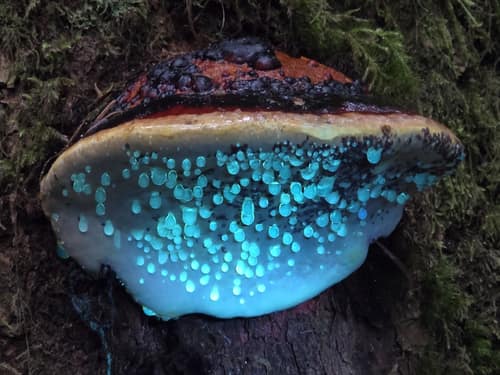
Conifer Decomposer (c) Alan Rockefeller, some rights reserved (CC BY) · cc-by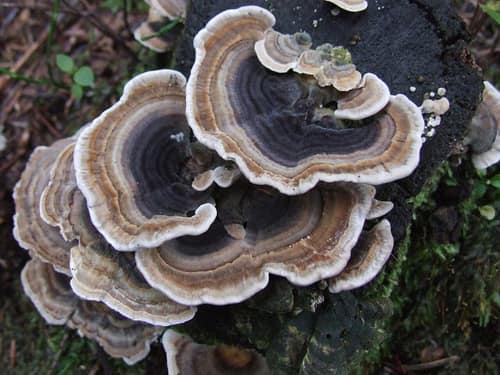
Forest Companion Jerzy Opioła / CC BY-SA 3.0 · cc-by-sa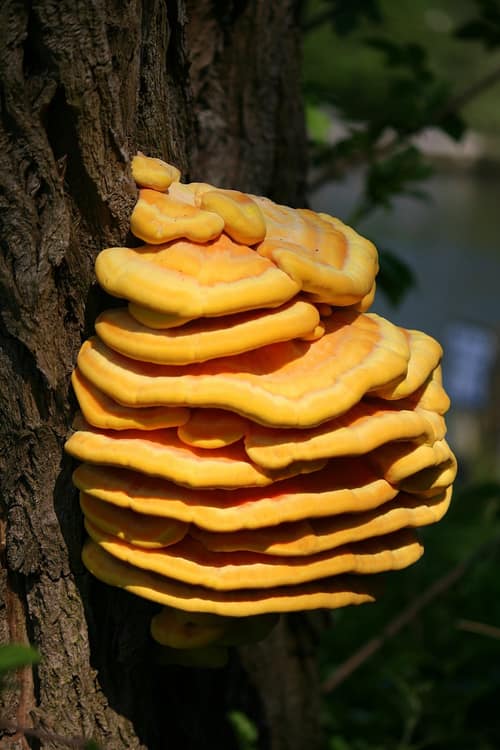
Family Relative Rror / CC BY-SA 3.0 · cc-by-sa
Keep collecting in Fauna
Found in Collections
Ecosystem chain Pro
Secret Garden
Dyeing Polypore is found in this collection. Identify it in Fauna to fill this slot and continue your progress.
Unlock to track progress
Help improve the field guideSomething wrong?
Checking your Fauna account…Report a name, category, or profile issue for review.