
Fungus
Horsehair Fungus
Marasmius crinis-equiAlso known as Horse Hair Mushroom, Horsehair Parachute
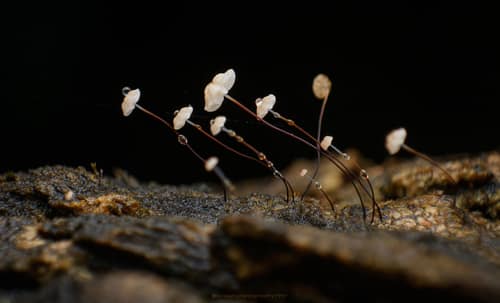
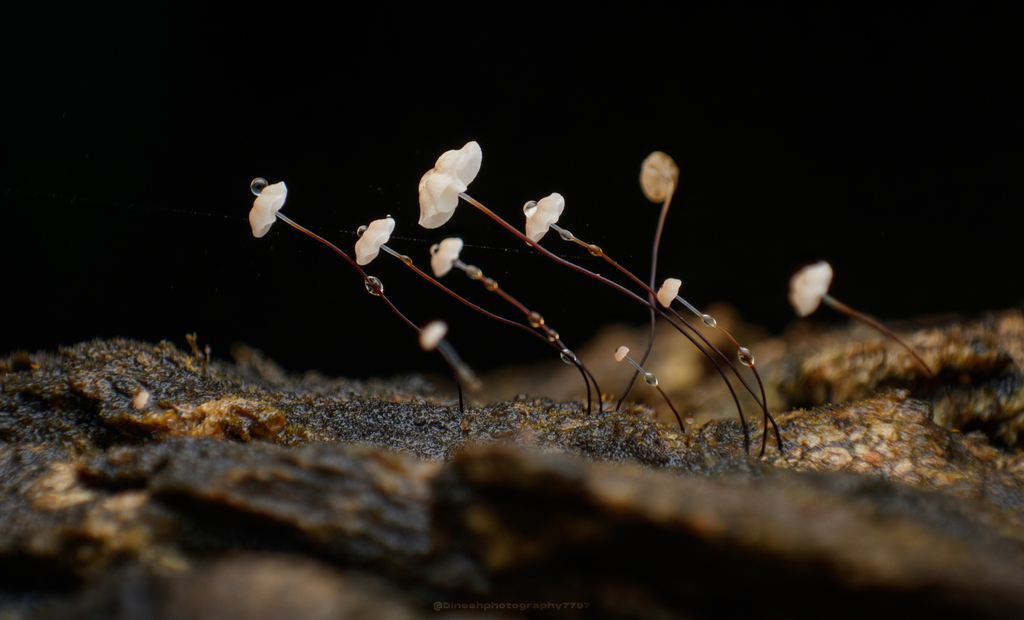
Black, thread-like mycelial strands wind through fallen leaves and canopy debris like tangled horsehair, holding leaf litter suspended in midair. During wet periods, tiny pale brown caps sprout directly from these wiry cords to release spores into humid rainforest air. This unique growth habit allows the fungus to trap falling organic matter before it reaches the forest floor, efficiently capturing nutrients.
TinyTropicalDecomposer
—observations
—countries
—peak records
Not EvaluatedConservation statusIUCN Red List categoriesLCNTVUENCREWEXNot Evaluated — not placed on the risk ladderRed List categories, explained →
Diet & preyFallen leaf debris, Dead twigs, Plant tissue
Predators
- Springtails
- Fungus gnat larvae
- Slugs
ThreatsHabitat fragmentation and deforestation
HabitatsTropical rainforests and humid woodlands
Life spanMycelium persists for years; mushrooms last a few days
Classification
- FamilyMarasmiaceae
- SpeciesMarasmius crinis-equi
Range data is not available yet.
Interaction riskLow
- Low
- Moderate
- High
- Very high
- Why interaction risk is low
- Many wild mushrooms have toxic look-alikes; never eat wild fungi based on app identification alone.
Responsible observation
- Spotting: Look closely at suspended dead leaves caught in understory vines after rainstorms.
- Macro Photography: Use a macro lens and steady tripod to capture microscopic cap details.
- Habitat Clues: Search damp tropical foliage where wiry black threads bind leaf litter together.
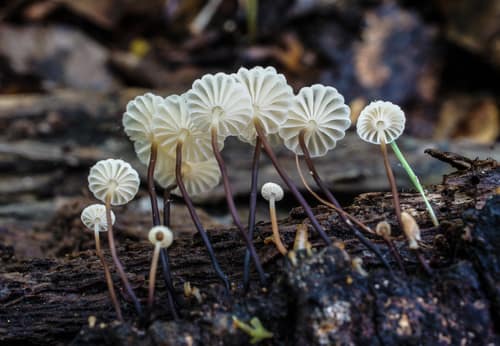
Close Relative (c) Bill Sheehan, some rights reserved (CC BY-SA), uploaded by Bill Sheehan · cc-by-sa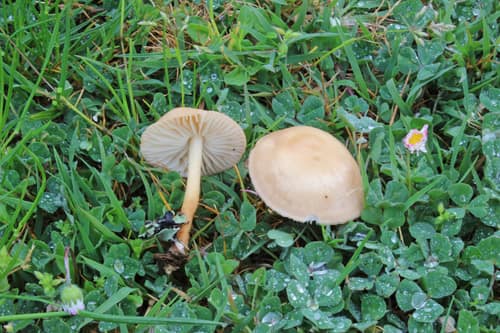
Close Relative (c) Davide Puddu, some rights reserved (CC BY), uploaded by Davide Puddu · cc-by Image unavailable
Close Relative
Help improve the field guideSomething wrong?
Checking your Fauna account…Report a name, category, or profile issue for review.