
Fungus
Sandy Stilt-puffball
Battarrea phalloidesAlso known as Scaly-stalked Puffball
Sandy Stilt-puffball develops a tall fibrous stalk topped by a dry spore-bearing head that breaks apart at maturity. It emerges from sandy or dusty soil in arid and disturbed habitats.
Stalked FungusArid HabitatPowdery Spores
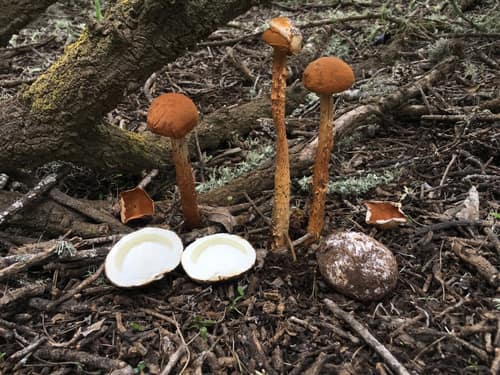
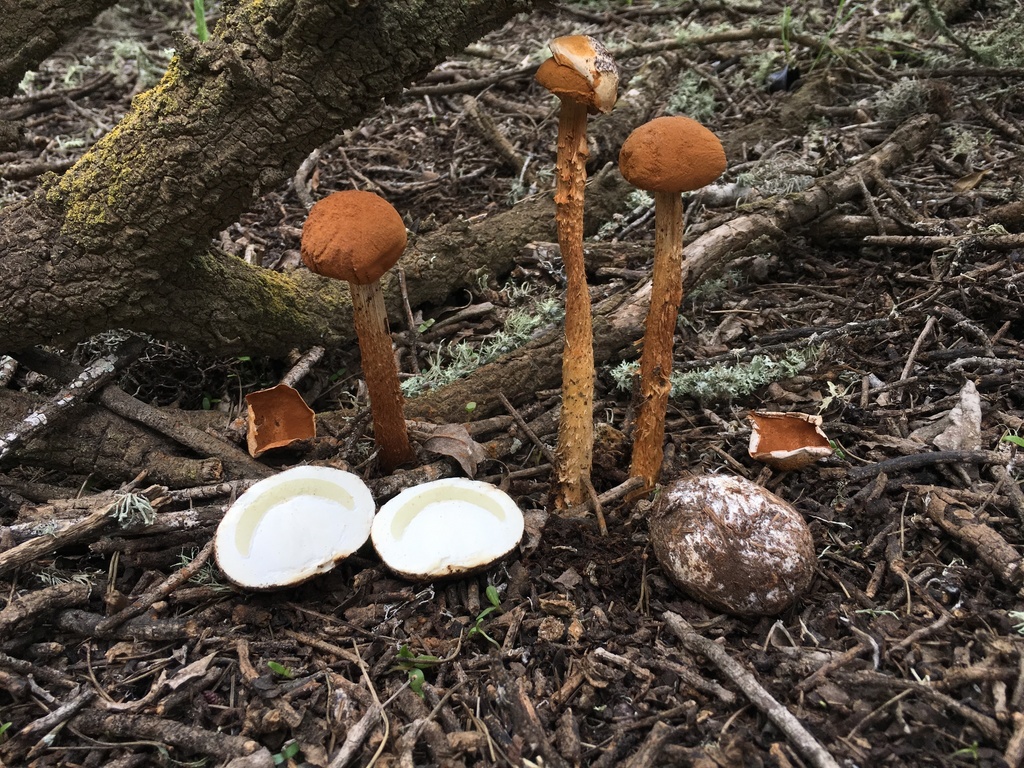
—observations
—countries
—peak records
Not EvaluatedConservation statusIUCN Red List categoriesLCNTVUENCREWEXNot Evaluated — not placed on the risk ladderRed List categories, explained →
Diet & preyDecomposes buried organic matter and absorbs released nutrients
Predators
- Fungus-feeding insects
- Small mammals
ThreatsSoil disturbance, development, off-road traffic, and loss of arid microhabitats
HabitatsDeserts, sandy scrub, dry banks, roadsides, and disturbed soil
Life spanThe underground mycelium may persist for years; visible structures are short-lived
Classification
- OrderAgaricales
- FamilyAgaricaceae
- GenusBattarrea
- SpeciesBattarrea phalloides
Range data is not available yet.
Interaction riskLow
- Low
- Moderate
- High
- Very high
- Why interaction risk is low
- Fungal look-alikes are easily misidentified; do not eat or ingest wild specimens based on this profile.
Responsible observation
- Shape: Note the unusually tall stalk beneath a dry spore head.
- Care: Photograph in place without kicking or opening the structure.
Help improve the field guideSomething wrong?
Checking your Fauna account…Report a name, category, or profile issue for review.