
Fungus · GBIF taxon 2534267
Pholiota limonella
Pholiota limonellaAlso known as Lemon Pholiota, Lemon Yellow Pholiota, Sticky Scalycap
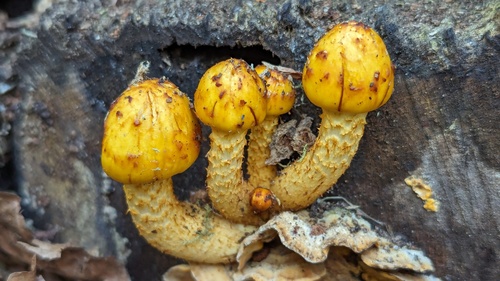
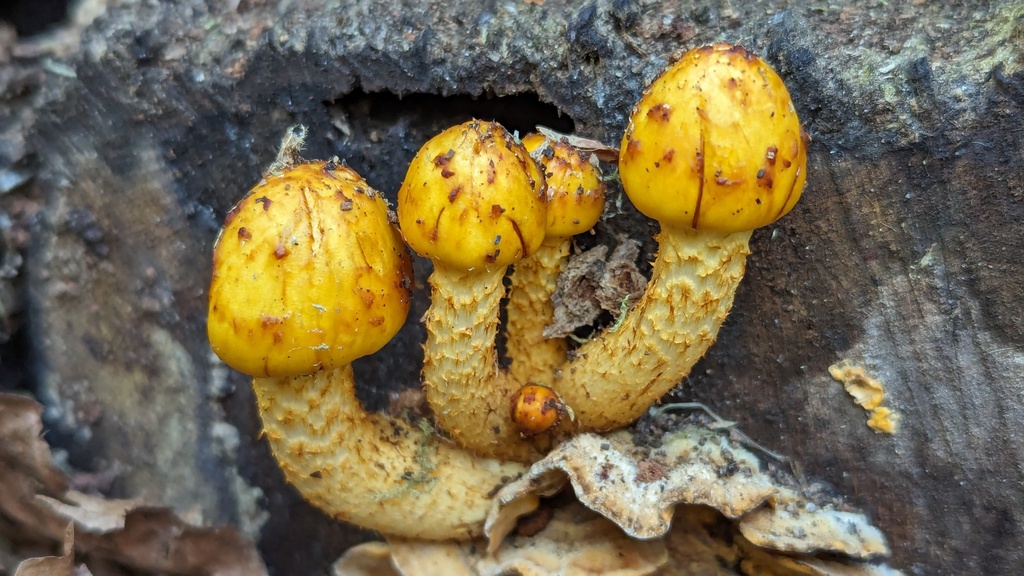
Bright lemon-yellow caps covered in sticky, brownish scales make Pholiota limonella a striking sight on decaying hardwood logs. Growing in dense, cascading clusters on beech, maple, and birch trees, this wood decaying fungus plays an important role in forest nutrient cycling. Because it appears visually identical to several close relatives, microscopic spore measurement is required for definitive species identification.
Wood-decayingYellowCluster-forming
—observations
—countries
—peak records
Not EvaluatedConservation statusIUCN Red List categoriesLCNTVUENCREWEXNot Evaluated — not placed on the risk ladderRed List categories, explained →
Diet & prey
- Dead Wood
- Lignin
- Cellulose
Predators
- Fungus Gnats
- Slugs
- Beetles
ThreatsHabitat loss and clear-cutting of hardwood forests
HabitatsHardwood forests, decaying logs, stumps, and living tree trunks
Life spanFruiting bodies last 1–2 weeks; mycelium lives for years
Classification
- OrderAgaricales
- FamilyStrophariaceae
- GenusPholiota
- SpeciesPholiota limonella
Range data is not available yet.
Interaction riskHigh
- Low
- Moderate
- High
- Very high
- Why interaction risk is high
- Many wild mushrooms have toxic look-alikes; never eat wild fungi based on app identification alone.
Responsible observation
- Examine Cap Texture: Look for a slimy gelatinous coating over reddish-brown cap scales on fresh specimens.
- Check Spores Microscopically: Measure spore dimensions under a microscope to distinguish from near-identical relatives.
- Observe Growth Habitat: Search for dense clusters emerging from wounded trunks or decaying hardwood logs.
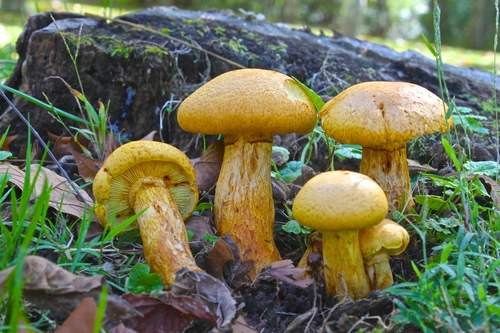
Look-alike (c) Fluff Berger, some rights reserved (CC BY-SA), uploaded by Fluff Berger · cc-by-sa Image unavailable
Close Relative 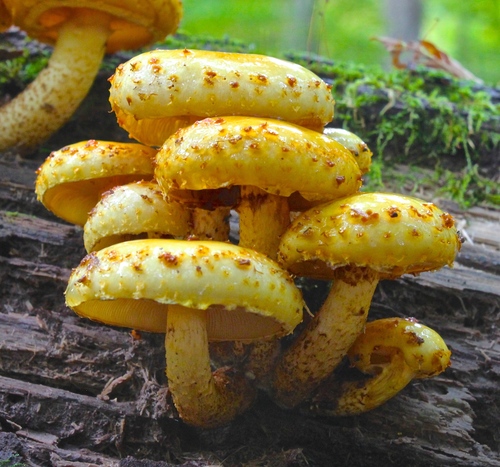
Close Relative (c) Fluff Berger, some rights reserved (CC BY-SA), uploaded by Fluff Berger · cc-by-sa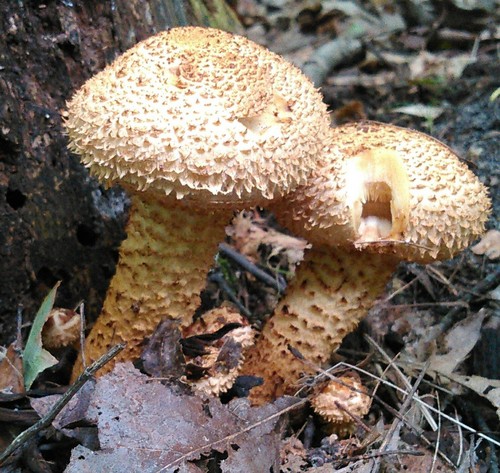
Close Relative no rights reserved, uploaded by steve b · cc0
Help improve the field guideSomething wrong?
Checking your Fauna account…Report a name, category, or profile issue for review.