
Fungus · GBIF taxon 2530926
Deceiver
Laccaria laccataAlso known as Lackluster Laccaria, Waxy Laccaria
Deceivers earned their common name due to their remarkably variable appearance, which shifts dramatically with age and moisture levels. Young fruiting bodies show warm reddish-brown hues that fade to a drab, translucent tan as they dry out in late autumn. These widespread mushrooms form beneficial mycorrhizal associations with a broad variety of broadleaf and coniferous tree roots.
FungusMycorrhizalVariable
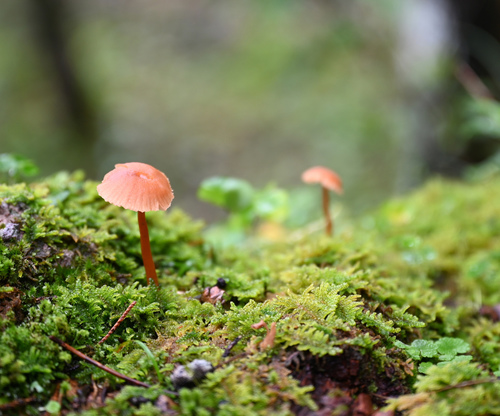
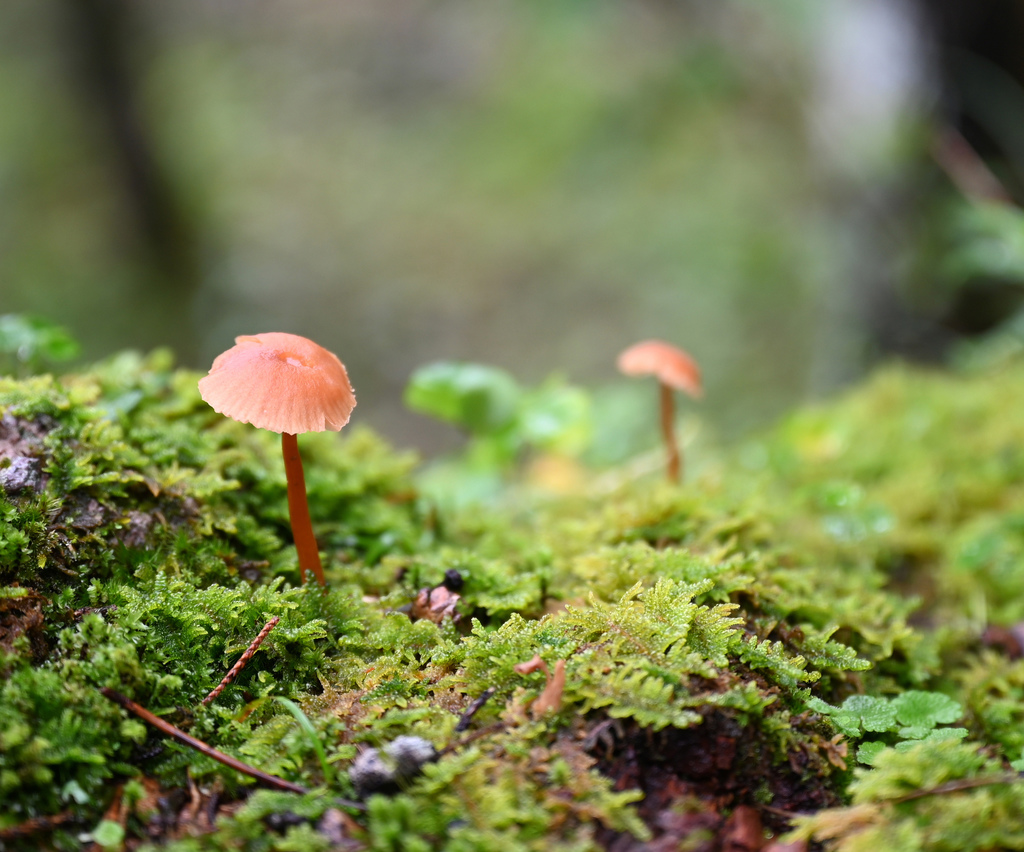
—observations
—countries
—peak records
Least ConcernConservation statusIUCN Red List categoriesLCNTVUENCREWEXLeast ConcernRed List categories, explained →
Diet & prey
- Mycorrhizal
Predators
- Fungus Gnats
- Slugs
- Squirrels
ThreatsDeforestation, severe drought, heavy soil contamination
HabitatsDeciduous and coniferous woodlands, heathlands
Life spanFruiting bodies persist 1–3 weeks
Size / weightNot available
Classification
- OrderAgaricales
- FamilyHydnangiaceae
- GenusLaccaria
- SpeciesLaccaria laccata
Range data is not available yet.
Interaction riskLow
- Low
- Moderate
- High
- Very high
- Why interaction risk is low
- Many edible mushrooms have toxic look-alikes; never eat wild fungi based on app identification alone.
Responsible observation
- Gill Inspection: Look for thick, widely spaced gills that often look dusted white with spores.
- Habitat Search: Check moist soil and leaf litter near birch, pine, or oak trees during autumn.
- Moisture Check: Observe how the cap changes color when wet versus dry to witness its deceptive nature.
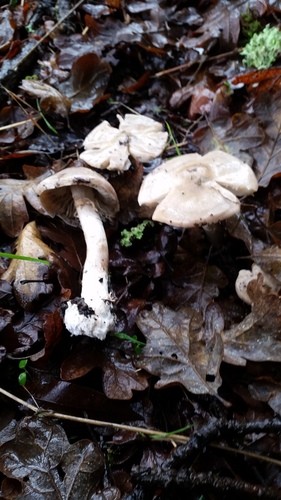
Toxic Look-Alike (c) Alex, some rights reserved (CC BY), uploaded by Alex · cc-by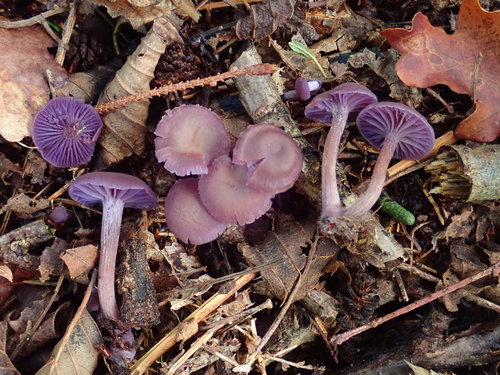
Close Relative (c) Christian Berg, some rights reserved (CC BY), uploaded by Christian Berg · cc-by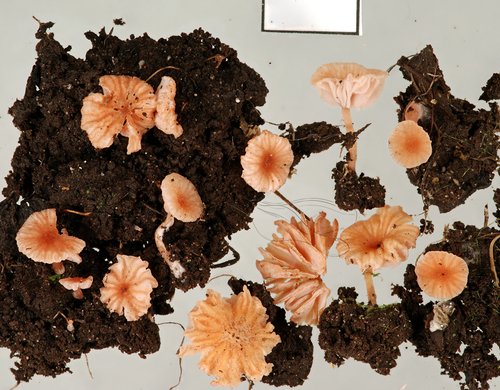
Close Relative (c) Jerry Cooper, some rights reserved (CC BY), uploaded by Jerry Cooper · cc-by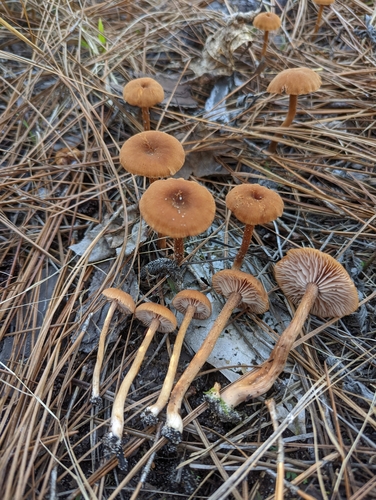
Close Relative (c) Alan Rockefeller, some rights reserved (CC BY) · cc-by
Help improve the field guideSomething wrong?
Checking your Fauna account…Report a name, category, or profile issue for review.