
Fungus · GBIF taxon 2530284
Hercules Stalked Puffball
Phellorinia herculeanaAlso known as Desert Stalked Puffball, Hercules Club Fungus
Hercules stalked puffballs emerge from arid desert sands after infrequent rains, standing up to a quarter-meter tall on thick, woody stems. Their rounded heads break open at maturity to expose a dense mass of dark cinnamon-brown spores that disperse on desert winds. The durable, weather-resistant fruiting bodies can persist upright in dry environments for many months.
DesertPuffballArid Adaptation
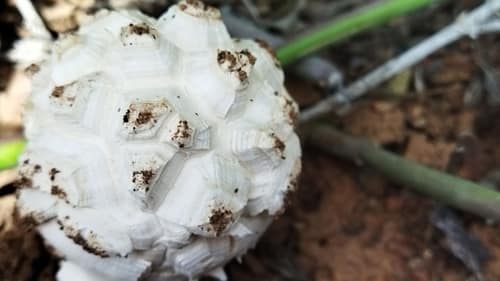
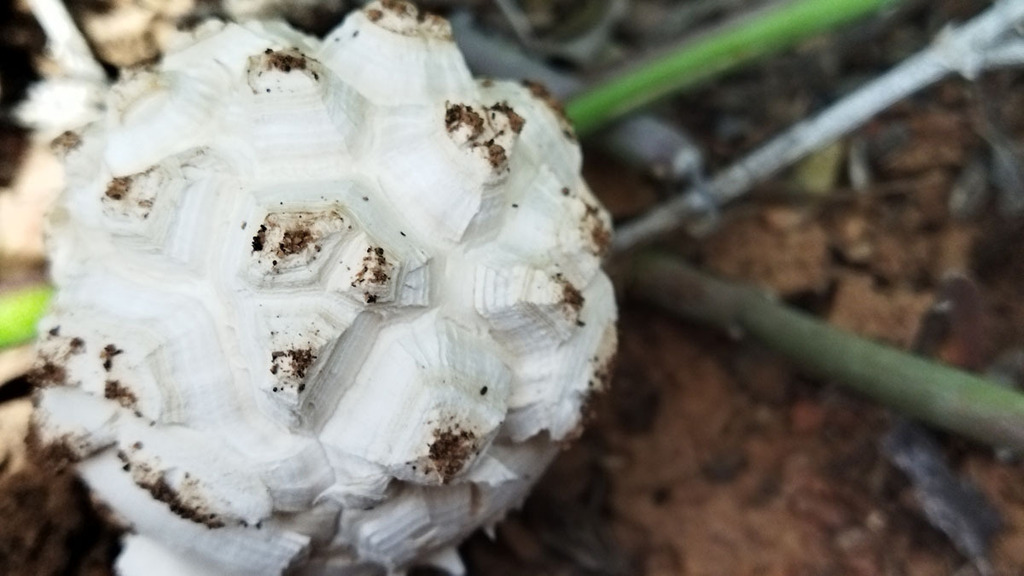
—observations
—countries
—peak records
Not EvaluatedConservation statusIUCN Red List categoriesLCNTVUENCREWEXNot Evaluated — not placed on the risk ladderRed List categories, explained →
Diet & prey
- Organic detritus
- Decaying plant roots
Predators
- Darkling beetles
- Rodents
ThreatsHabitat degradation, soil compaction
HabitatsDeserts, arid grasslands, sandy soil
Life spanFruiting body persists several months
Size / weightNot available
Classification
- FamilyAgaricaceae
- SpeciesPhellorinia herculeana
Range data is not available yet.
Interaction riskLow
- Low
- Moderate
- High
- Very high
- Why interaction risk is low
- Many wild mushrooms have toxic look-alikes; never ingest wild fungi based on app identification alone.
Responsible observation
- Observation: Check desert washes and sandy banks after deep rain soaking.
- Handling: Avoid crushing mature heads to prevent premature spore loss.
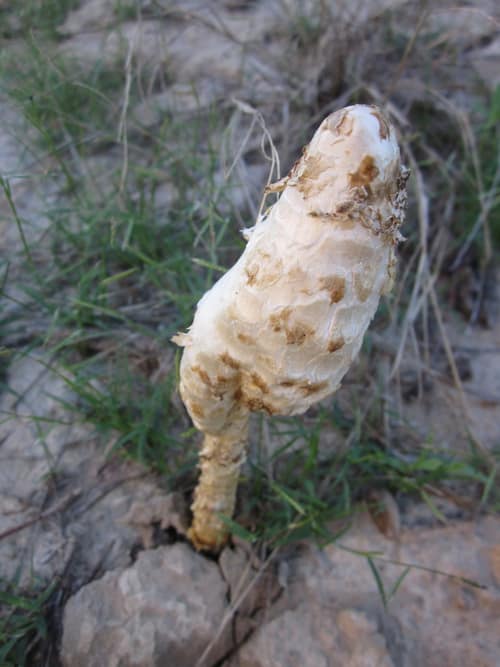
Co-occurring Fungus (c) Eric Knight, some rights reserved (CC BY) · cc-by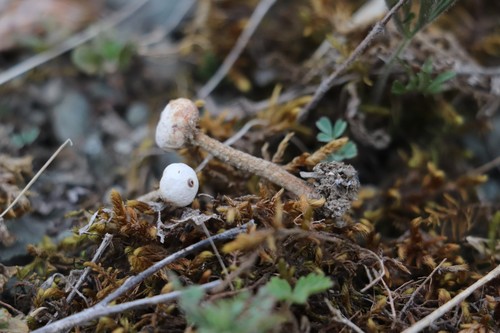
Close Kin (c) Nina Filippova, some rights reserved (CC BY) · cc-by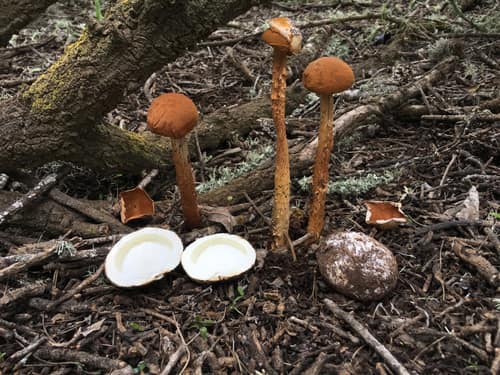
Arid Relative (c) Adam J. Searcy, some rights reserved (CC BY), uploaded by Adam J. Searcy · cc-by
Help improve the field guideSomething wrong?
Checking your Fauna account…Report a name, category, or profile issue for review.