
Fungus
Milky Conecap
Conocybe apalaAlso known as White Conecap, Pale Conecap
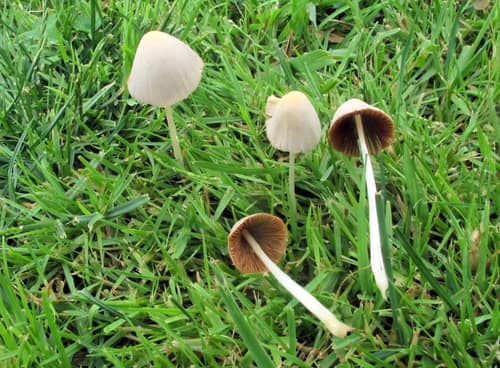
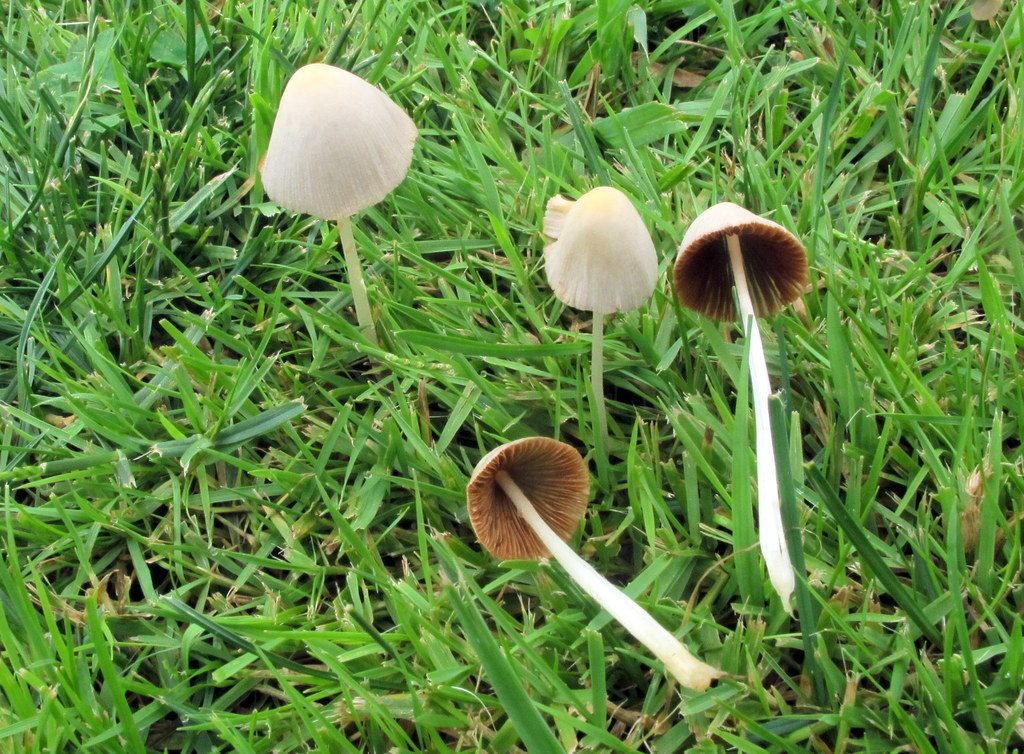
Milky conecaps sprout in damp morning grass following rain, standing like tiny pale paper lanterns across lawns and pastures. Their delicate, cone-shaped caps rarely survive the afternoon sun, shriveling rapidly as temperatures rise. As saprotrophs, these fungi play a helpful ecological role breaking down thatch and dead roots into rich soil nutrients.
EphemeralLawn FungusDelicate
—observations
—countries
—peak records
Not EvaluatedConservation statusIUCN Red List categoriesLCNTVUENCREWEXNot Evaluated — not placed on the risk ladderRed List categories, explained →
Diet & preySaprotrophic
Predators
- Slugs
- Fungus gnat larvae
- Snails
ThreatsChemical lawn treatments, habitat conversion
HabitatsLawns, pastures, grassy parks, gardens
Life span12–24 hours for fruiting body
Classification
- OrderAgaricales
- FamilyBolbitiaceae
- GenusConocybe
- SpeciesConocybe apala
Range data is not available yet.
Interaction riskHigh
- Low
- Moderate
- High
- Very high
- Why interaction risk is high
- Contains harmful toxins and has dangerous look-alikes; never eat wild fungi based on app identification alone.
- Why it is dangerous
- Contains phallotoxins and related compounds that cause severe gastrointestinal distress and liver stress if eaten.
- How to recognize a risky encounter
- Recognized by its pale milky-white cone cap and fragile, thread-thin stem emerging from lawn turf.
- What to do
- Safe to view and photograph, but keep pets and young children from consuming wild yard mushrooms.
Responsible observation
- Timing: Look during early morning hours after summer rains before the sun shrivels the delicate caps.
- Observation: Examine the thin pleated ridges on the underside of the conical cap without plucking.
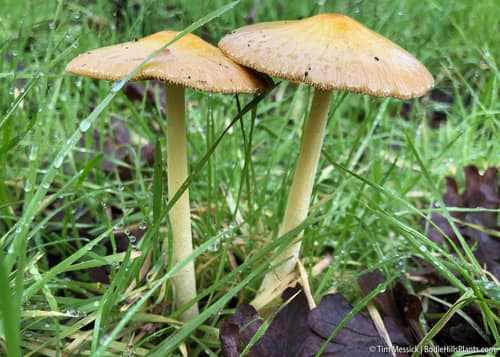
Frequent Companion (c) Tim Messick, some rights reserved (CC BY), uploaded by Tim Messick · cc-by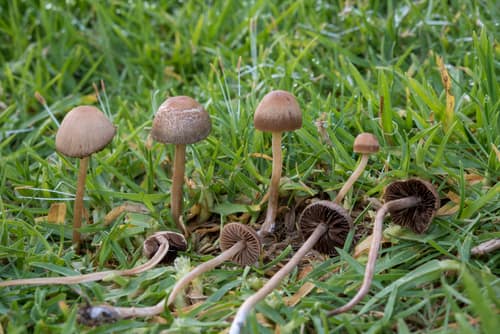
Frequent Companion (c) Alan Rockefeller, some rights reserved (CC BY), uploaded by Alan Rockefeller · cc-by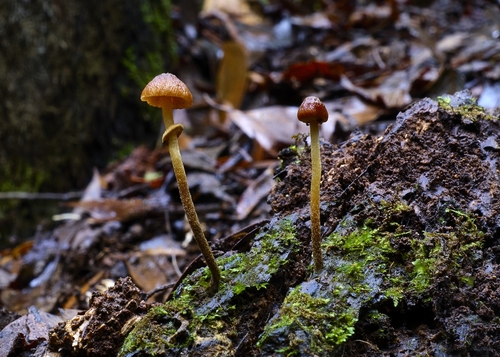
Close Relative (c) Brendan Costello, some rights reserved (CC BY) · cc-by
Help improve the field guideSomething wrong?
Checking your Fauna account…Report a name, category, or profile issue for review.