
Fungus · GBIF taxon 2527401
Orange Pore Fungus
Favolaschia caloceraAlso known as Orange Pore Conch, Orange Ping-Pong Bat
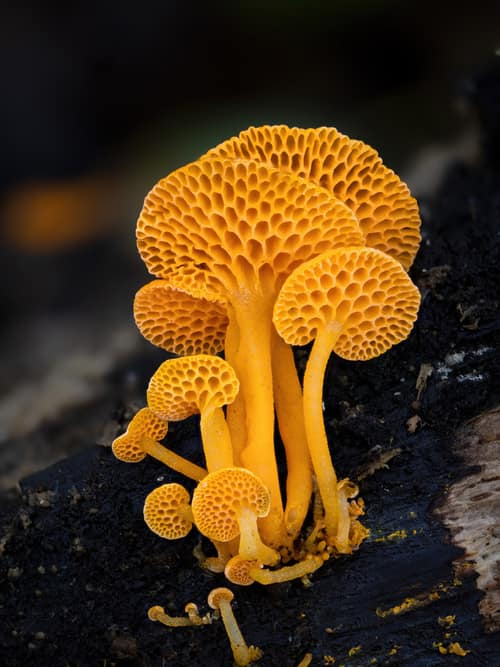
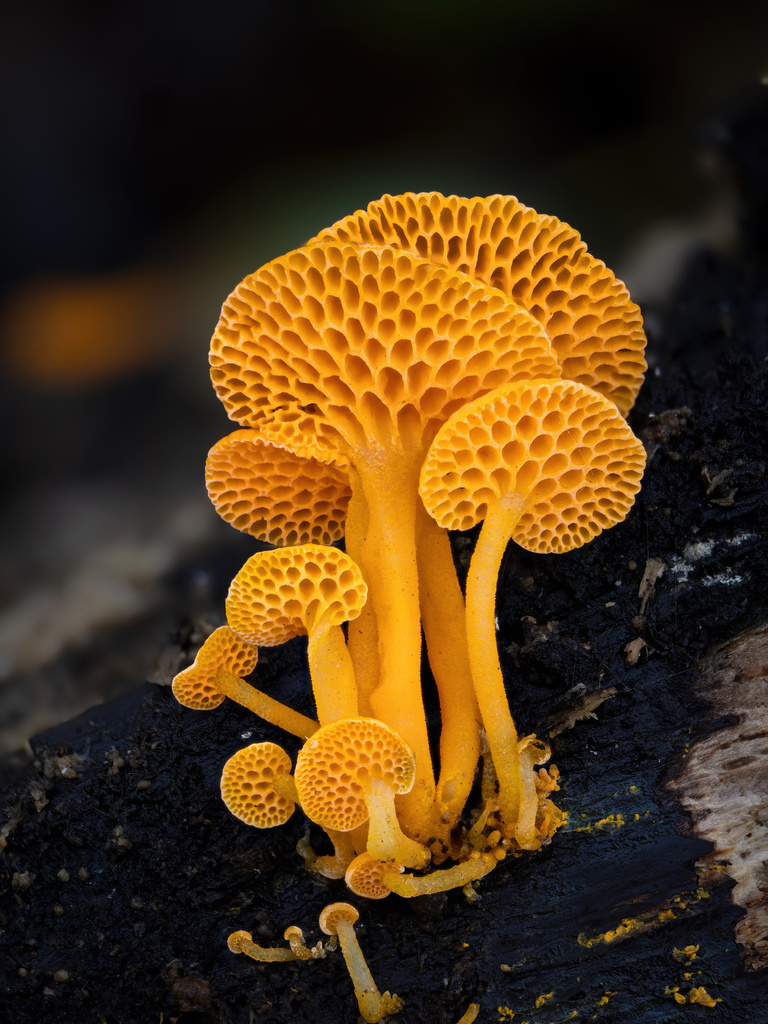
Bright orange fan-shaped caps with distinct honeycomb-like pores make orange pore fungi easy to spot on fallen wood. As rapid saprotrophs, these fungi quickly colonize rotting branches and leaf litter along disturbed forest edges and trails. Native to Madagascar, their opportunistic spread across the Southern Hemisphere and Europe has sparked ecological concern for native wood-decaying organisms.
FungusInvasiveBrightly Colored
 1 / 4
1 / 4—observations
—countries
—peak records
Not EvaluatedConservation statusIUCN Red List categoriesLCNTVUENCREWEXNot Evaluated — not placed on the risk ladderRed List categories, explained →
Diet & prey
- Decaying wood
- Lignin
- Cellulose
Predators
- Fungus gnats
- Snails
- Slugs
ThreatsDisplacement of native saprotrophic fungi in non-native ranges
HabitatsDisturbed forests, woodlands, parklands, and roadside vegetation
Life spanFruiting bodies last several days; mycelium persists for years
Size / weightNot available
Classification
- FamilyMycenaceae
- SpeciesFavolaschia calocera
Range data is not available yet.
Interaction riskLow
- Low
- Moderate
- High
- Very high
- Why interaction risk is low
- Many wild mushrooms have toxic look-alikes; never eat wild fungi based on app identification alone.
Responsible observation
- Inspect the pores: Turn the cap over to observe the unusual, wide honeycomb-like pore pattern.
- Clean your boots: Wash footwear after hiking infested trails to prevent spreading spores into uninfected forests.
- Look after rain: Scan rotting fallen twigs and branches in damp woodlots after heavy rain.
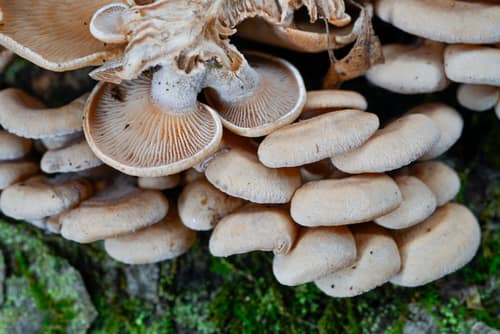
Ecology Peer (c) Alan Rockefeller, some rights reserved (CC BY), uploaded by Alan Rockefeller · cc-by Image unavailable
Close Relative 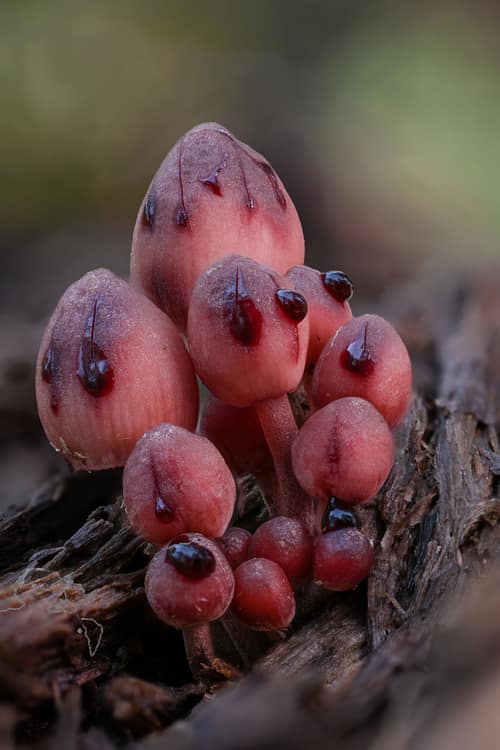
Family Member (c) Alan Rockefeller, some rights reserved (CC BY), uploaded by Alan Rockefeller · cc-by
Help improve the field guideSomething wrong?
Checking your Fauna account…Report a name, category, or profile issue for review.