
Fungus
Plicaturopsis crispa
Plicaturopsis crispaAlso known as Crispling, Crumpled Gill
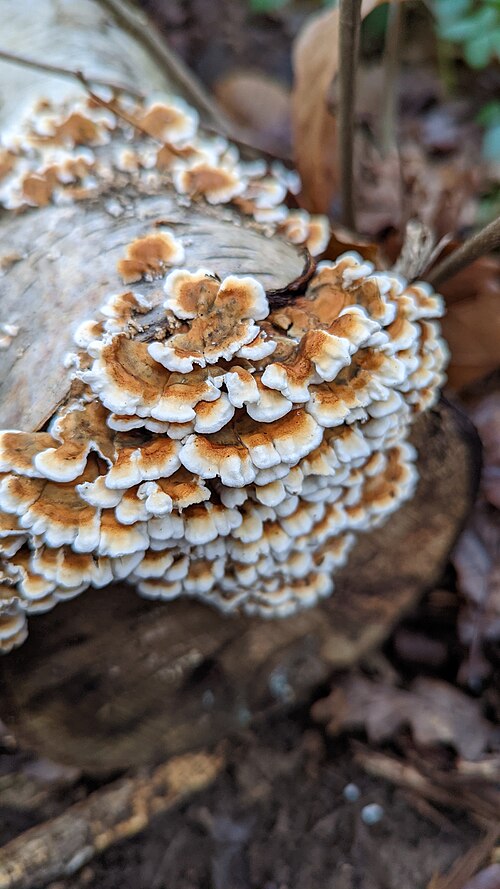
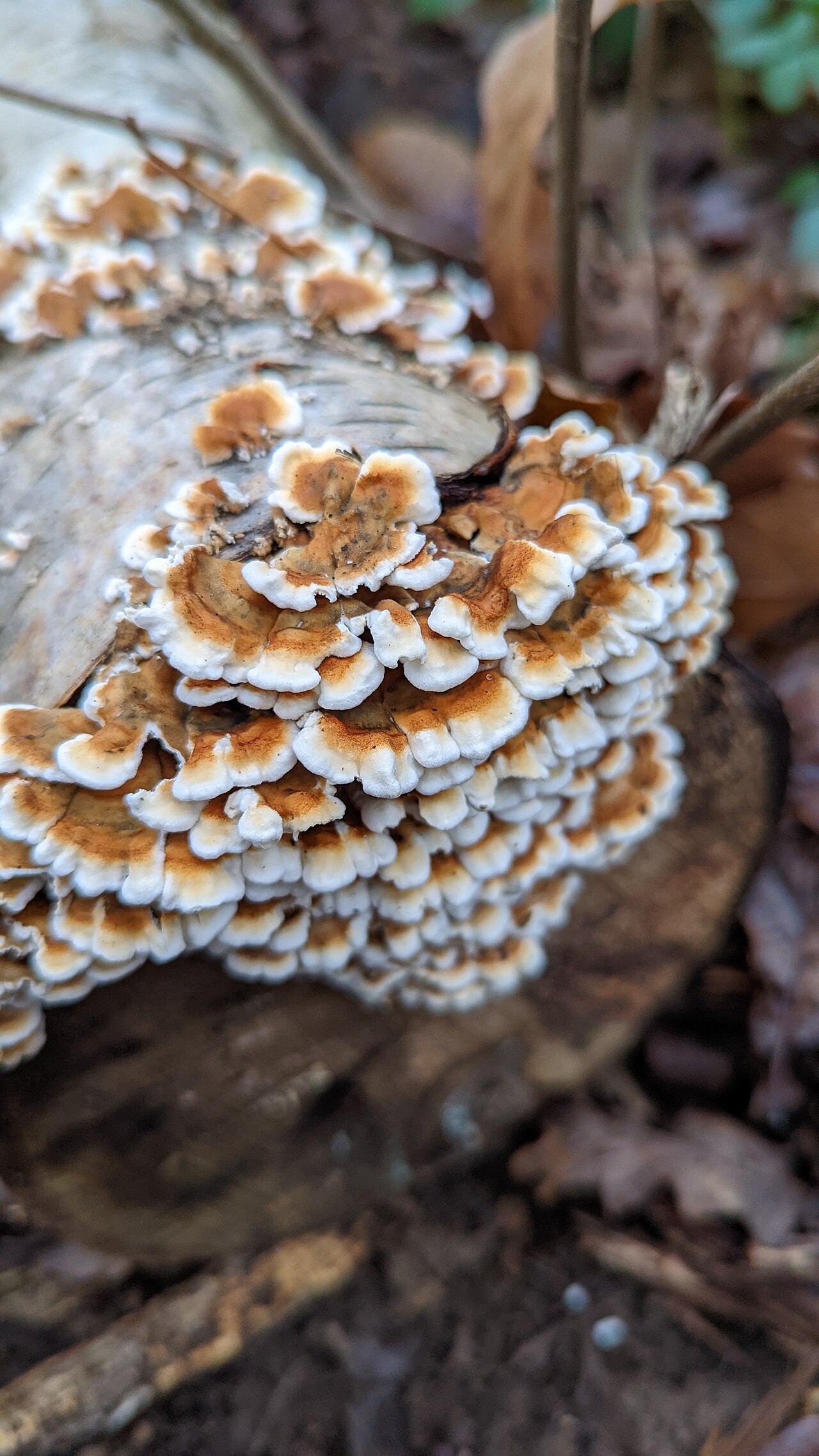
Crimped gill fruit bodies emerge in crowded, overlapping tiers along fallen branches and rotting hardwood logs, displaying small, fan-shaped caps with distinctive wavy, crinkled folds on their undersides rather than true gills. These leathery, pale ochre to reddish-brown brackets persist through cold weather, releasing spores during damp autumn and winter conditions. Functioning as effective saprotrophs, they break down complex plant polymers to enrich forest soil while providing microhabitats for overwintering invertebrates.
SaprotrophicWoodlandWinter Fungus
—observations
—countries
—peak records
Not EvaluatedConservation statusIUCN Red List categoriesLCNTVUENCREWEXNot Evaluated — not placed on the risk ladderRed List categories, explained →
Diet & preyDecaying hardwood, Lignin, Cellulose
Predators
- Fungus gnat larvae
- Mycophagous beetles
- Slugs
ThreatsIntensive forestry and deadwood removal
HabitatsTemperate deciduous and mixed woodlands
Life spanFruiting bodies persist several months; mycelium survives multiple years
Classification
- OrderAmylocorticiales
- FamilyAmylocorticiaceae
- GenusPlicaturopsis
- SpeciesPlicaturopsis crispa
Range data is not available yet.
Interaction riskLow
- Low
- Moderate
- High
- Very high
- Why interaction risk is low
- Many wild mushrooms have toxic look-alikes; never eat wild fungi based on app identification alone.
Responsible observation
- Check Undersides: Use a hand lens to view the wavy, wrinkled folds instead of straight gills.
- Winter Spotting: Search dead hazel, beech, and alder branches during damp winter thaws.
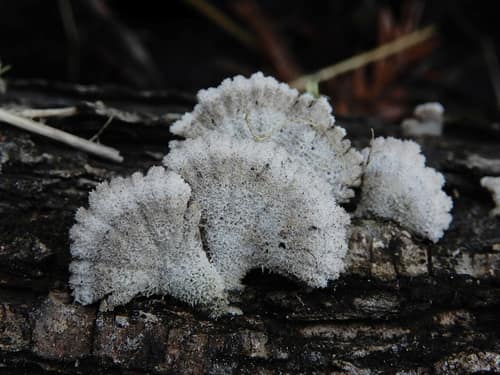
Look-alike (c) Grey Smith, some rights reserved (CC BY), uploaded by Grey Smith · cc-by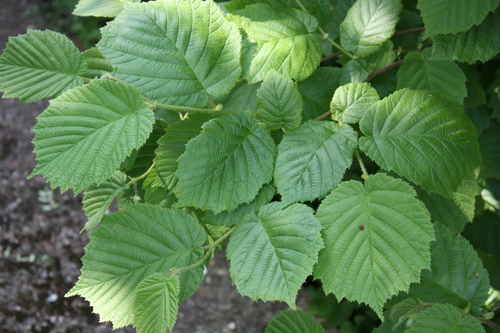
Host Plant no rights reserved, uploaded by Paul Dubery · cc0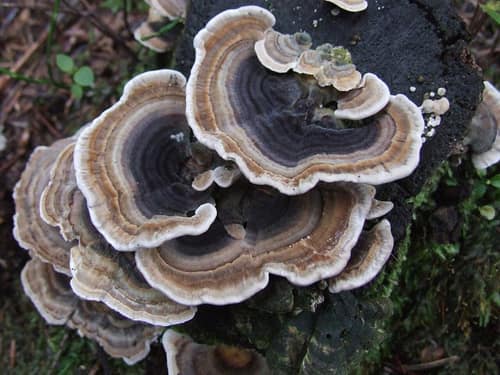
Competitor Jerzy Opioła / CC BY-SA 3.0 · cc-by-sa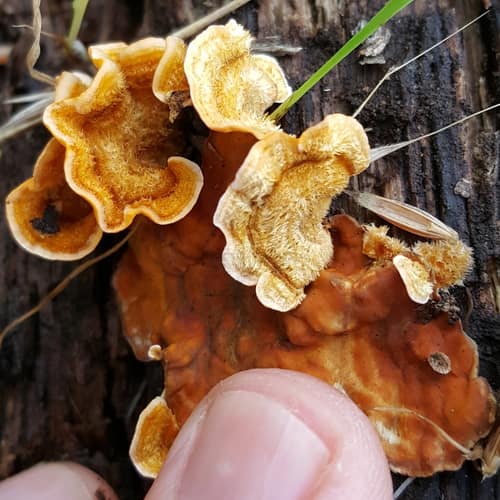
Competitor (c) Justin Johnsen, some rights reserved (CC BY) · cc-by
Help improve the field guideSomething wrong?
Checking your Fauna account…Report a name, category, or profile issue for review.