
Fungus
Pisolithus albus
Pisolithus albusAlso known as White Dyeball, White Earthstar Puffball, Eucalypt Dyeball
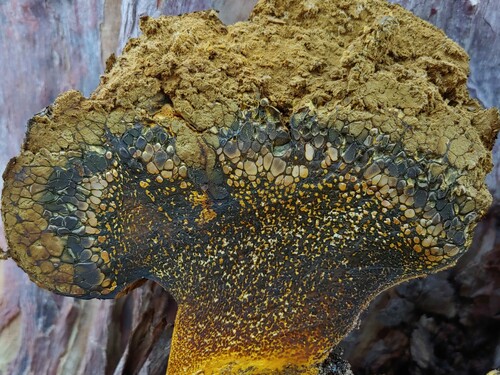
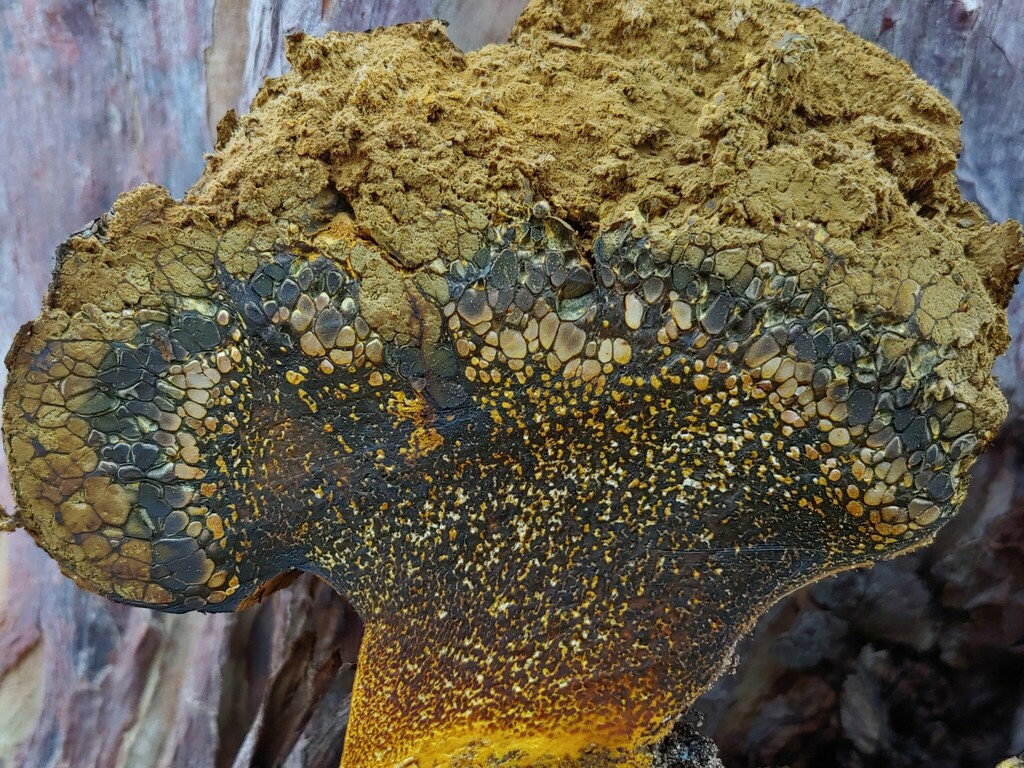
Pisolithus albus forms robust, club-shaped or irregularly rounded fruiting bodies that emerge from sandy or disturbed soils under compatible host trees. Internally, the immature cap contains hundreds of tiny pea-like chambers called peridioles, which gradually disintegrate into a powdery brown mass of spores as the outer skin flakes away. It forms extensive ectomycorrhizal networks, assisting trees such as eucalypts and acacias in absorbing scarce water and minerals in nutrient-poor environments.
MycorrhizalSpore-ProducerSoil-Dweller
—observations
—countries
—peak records
Not EvaluatedConservation statusIUCN Red List categoriesLCNTVUENCREWEXNot Evaluated — not placed on the risk ladderRed List categories, explained →
Diet & preyAbsorptive mycorrhizal symbiont
Predators
- Fungus beetles
- Fungus gnats
- Small mammals
ThreatsSevere soil disturbance, heavy compaction, and clear-cutting
HabitatsEucalypt woodlands, sandy heathlands, and plantation margins
Life spanFruiting body persists 1–3 months; underground mycelium persists for years
Classification
- OrderBoletales
- FamilySclerodermataceae
- GenusPisolithus
- SpeciesPisolithus albus
Range data is not available yet.
Interaction riskLow
- Low
- Moderate
- High
- Very high
- Why interaction risk is low
- Many edible mushrooms have toxic look-alikes; never eat wild fungi based on app identification alone.
Responsible observation
- Spore Observation: Mature specimens release dense clouds of yellow-brown powdery spores when gently tapped.
- Root Proximity: Look near the dripline of mature eucalypts in gravelly or sandy roadside verges.
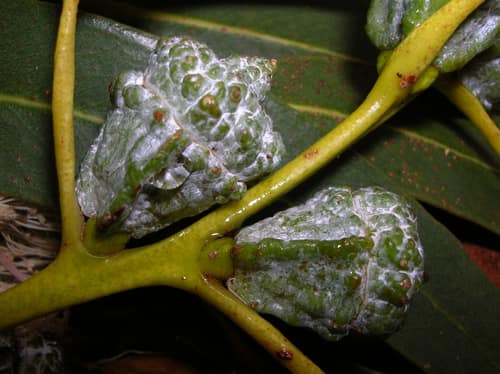
Host Plant (c) Forest and Kim Starr, some rights reserved (CC BY) · cc-by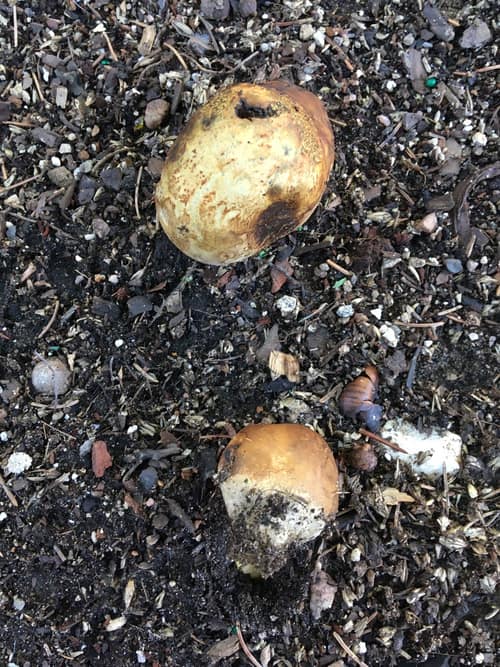
Close Relative no rights reserved · cc0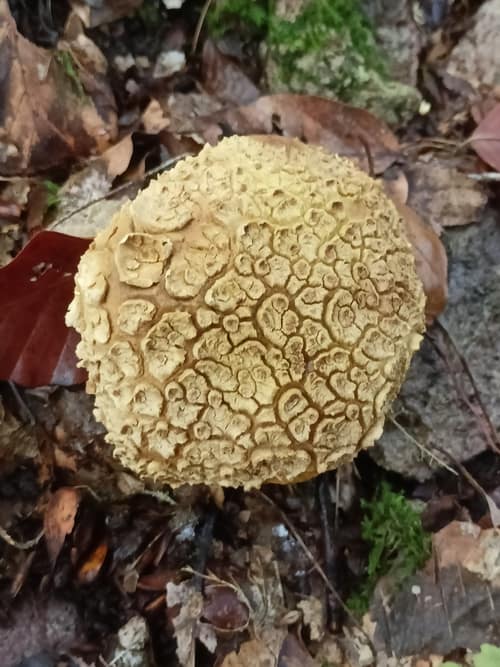
Same Family (c) Malte Krömer, some rights reserved (CC BY), uploaded by Malte Krömer · cc-by
Help improve the field guideSomething wrong?
Checking your Fauna account…Report a name, category, or profile issue for review.