
Fungus · GBIF taxon 2525455
Dyeball
Pisolithus arhizusAlso known as Dead Man's Foot, Bohemian Truffle
Dyeball forms tough, irregular earthball-like structures that break down into a dark powdery spore mass as they mature. Its underground mycelium partners with tree roots, exchanging soil nutrients and water for plant-produced sugars.
Earthball FungusRoot SymbiontDark Spore Mass
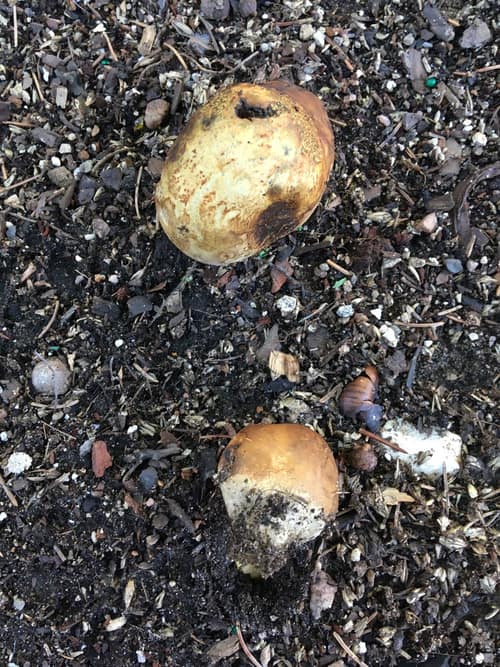
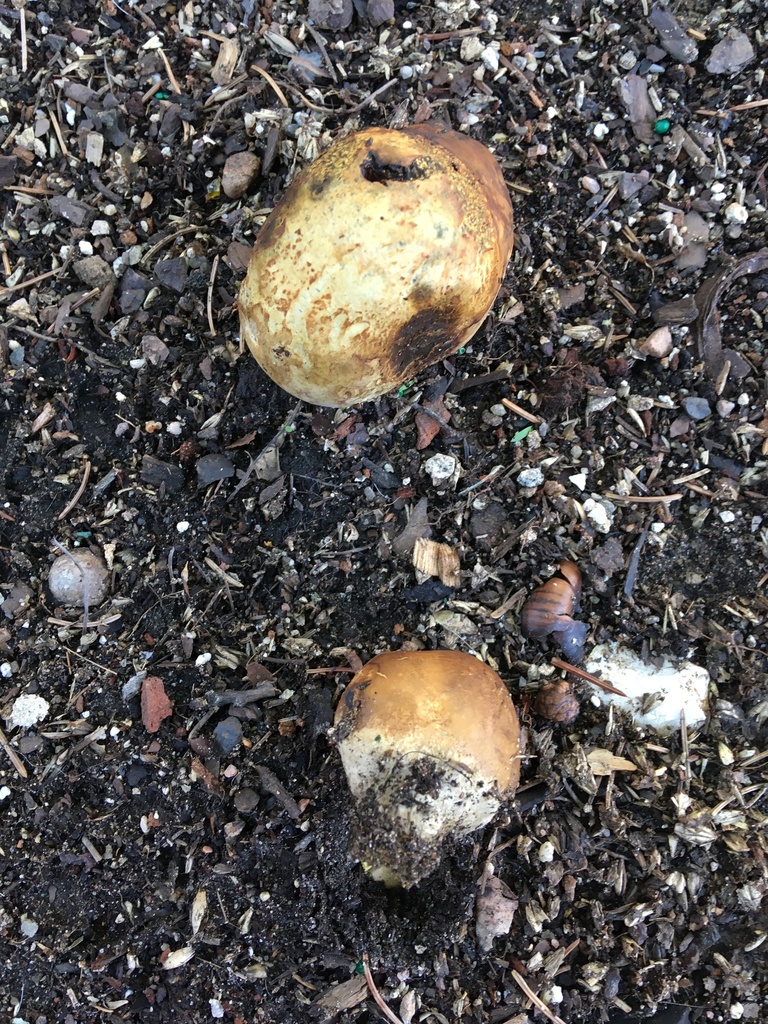
—observations
—countries
—peak records
Not EvaluatedConservation statusIUCN Red List categoriesLCNTVUENCREWEXNot Evaluated — not placed on the risk ladderRed List categories, explained →
Diet & prey
- Sugars exchanged through ectomycorrhizal partnerships with tree roots
Predators
- Fungus gnats
- Slugs
- Small mammals
ThreatsLoss of host trees, soil sealing, severe compaction, fungicides, and prolonged drought
HabitatsSandy or disturbed soil in woodland, heath, tracksides, plantations, and mine spoil
Life spanFruiting structures last weeks to months; the underground mycelium can persist for years
Size / weightNot available
Classification
- OrderBoletales
- FamilySclerodermataceae
- GenusPisolithus
- SpeciesPisolithus arhizus
Range data is not available yet.
Interaction riskLow
- Low
- Moderate
- High
- Very high
- Why interaction risk is low
- Wild fungi have dangerous look-alikes; do not eat or ingest specimens based on app identification.
Responsible observation
- Maturity: Older structures expose a dark, dusty internal spore mass.
- Substrate: Note nearby potential host trees and avoid breaking the structure.
Help improve the field guideSomething wrong?
Checking your Fauna account…Report a name, category, or profile issue for review.