
Fungus · GBIF taxon 2524513
Red-capped Scaber Stalk
Leccinum aurantiacumAlso known as Orange Oak Bolete
Red-capped Scaber Stalks form vital mycorrhizal partnerships with trees like aspens, birches, and oaks, exchanging soil nutrients for sugars. Their prominent caps open from convex hemispheres into broad domes that turn from bright orange-red to dull brick tones as they mature. Darkening scaber scales cover the stipe, while the firm white flesh turns pale grey or purple-black when sliced.
MycorrhizalForest FungusBolete
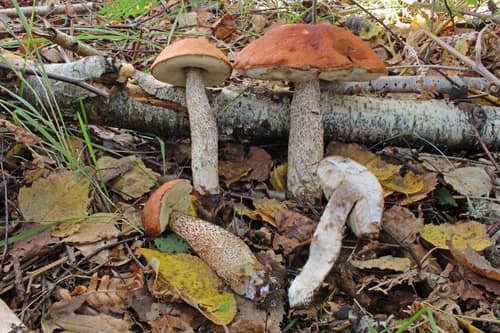
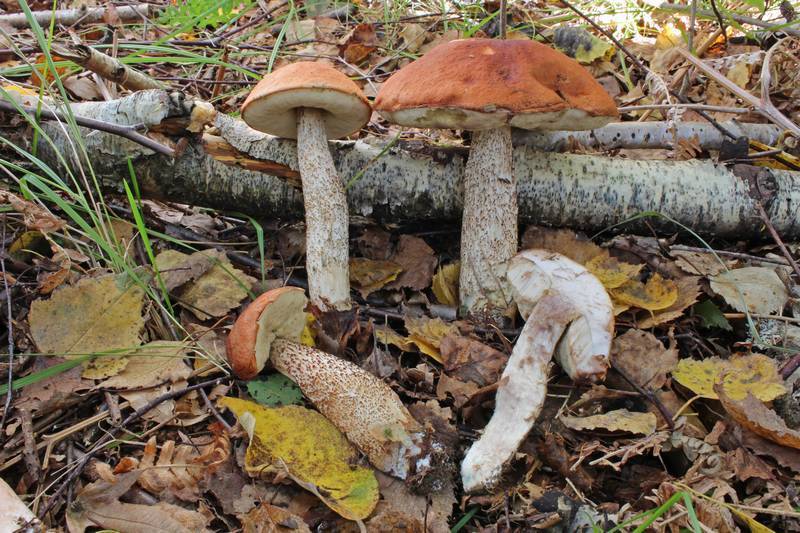 1 / 7
1 / 7—observations
—countries
—peak records
Least ConcernConservation statusIUCN Red List categoriesLCNTVUENCREWEXLeast ConcernRed List categories, explained →
Diet & prey
- Mycorrhizal
Predators
- Fungus gnats
- Slugs
- Red squirrels
ThreatsDeforestation and soil compaction
HabitatsDeciduous and mixed forests, particularly near aspen, birch, and oak
Life spanFruiting body lasts 1–2 weeks
Size / weightNot available
Classification
- OrderBoletales
- FamilyBoletaceae
- GenusLeccinum
- SpeciesLeccinum aurantiacum
Range data is not available yet.
Interaction riskLow
- Low
- Moderate
- High
- Very high
- Why interaction risk is low
- Many wild mushrooms have toxic look-alikes; never eat wild fungi based on app identification alone.
Responsible observation
- Inspect Scabers: Examine the small brownish-black projection scales lining the stem.
- Check Discoloration: Note how the exposed inner flesh gradually darkens to greyish-violet when cut.
- Host Identification: Look overhead to identify nearby aspen, poplar, or oak trees.
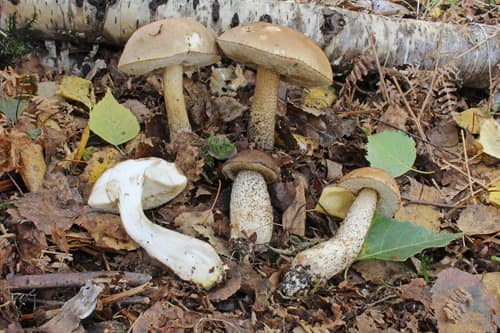
Close Relative (c) Davide Puddu, some rights reserved (CC BY), uploaded by Davide Puddu · cc-by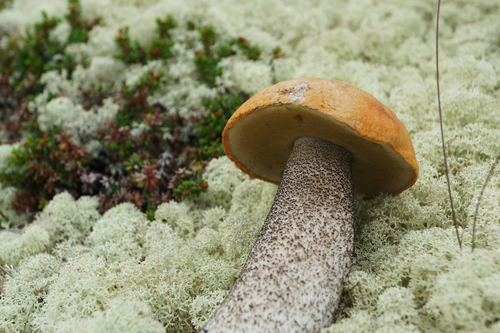
Close Relative (c) Randi Hausken, some rights reserved (CC BY-SA) · cc-by-sa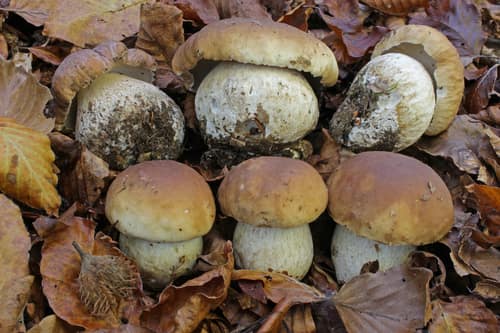
Family Member (c) Davide Puddu, some rights reserved (CC BY), uploaded by Davide Puddu · cc-by
Keep collecting in Fauna
Found in Collections
Species set Pro
Fungi Forager
Red-capped Scaber Stalk is found in this collection. Identify it in Fauna to fill this slot and continue your progress.
Unlock to track progress
Help improve the field guideSomething wrong?
Checking your Fauna account…Report a name, category, or profile issue for review.