
Fungus
Golden Gilled Bolete
Phylloporus rhodoxanthusAlso known as Gilled Bolete, Yellow Gilled Bolete
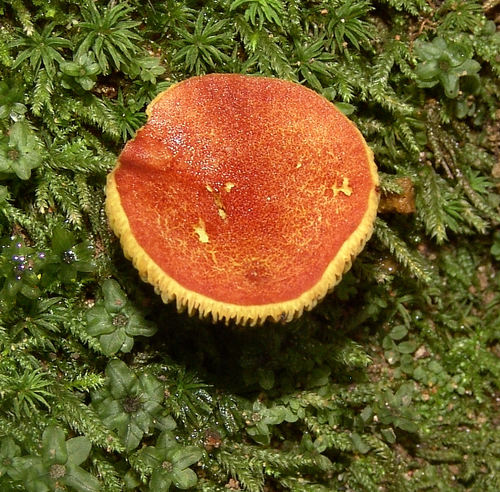
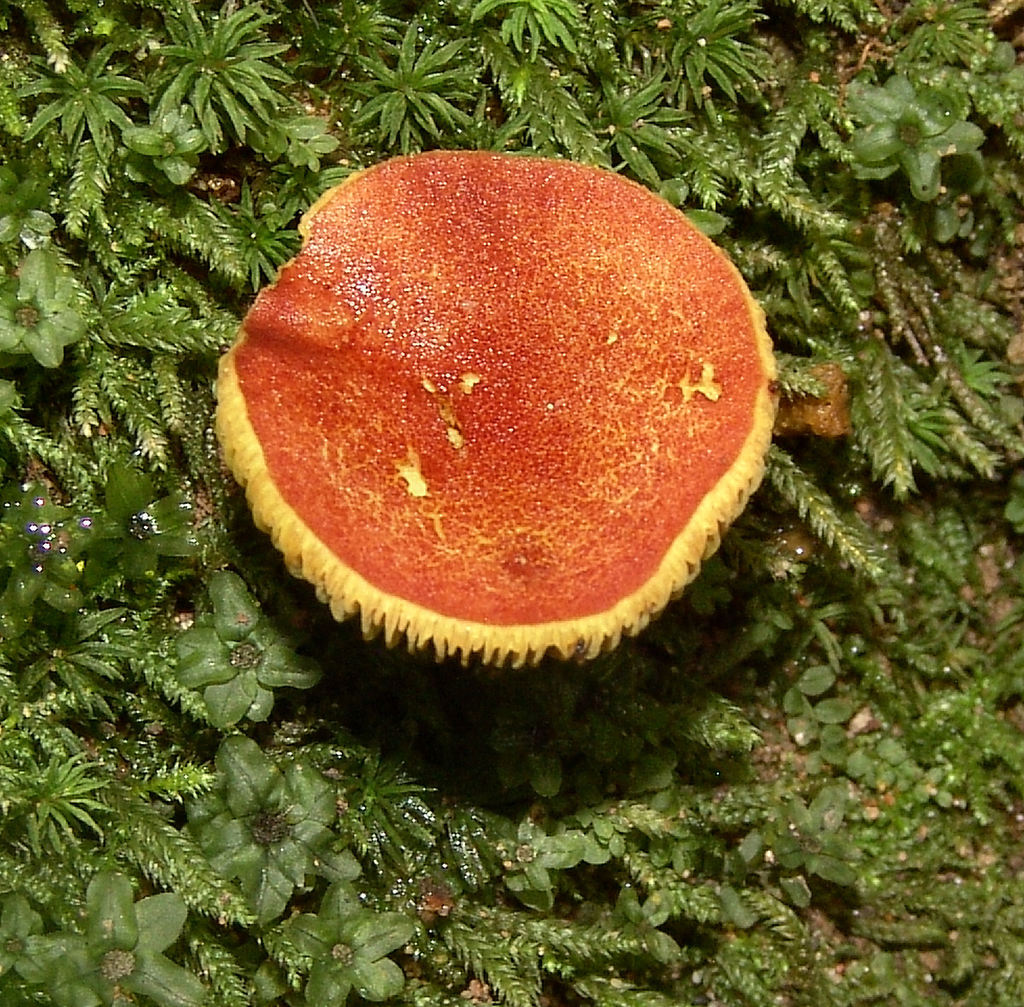
Golden gilled boletes bridge the gap between typical mushrooms and boletes by featuring distinct, wavy, cross-veined gills beneath a velvety brownish cap. They form vital mycorrhizal relationships with hardwoods, particularly oaks and beeches across eastern North and Central America. When damaged, the vivid golden-yellow gills often bruise slowly to a faint greenish-blue shade.
FungusMycorrhizalForest Floor
—observations
—countries
—peak records
Not EvaluatedConservation statusIUCN Red List categoriesLCNTVUENCREWEXNot Evaluated — not placed on the risk ladderRed List categories, explained →
Diet & preyMycorrhizal
Predators
- Slug
- Fungus gnat larvae
- Rodent
ThreatsDeforestation and soil compaction
HabitatsDeciduous and mixed woodland
Life spanFruiting body lasts 4 to 10 days
Classification
- OrderBoletales
- FamilyBoletaceae
- GenusPhylloporus
- SpeciesPhylloporus rhodoxanthus
Range data is not available yet.
Interaction riskLow
- Low
- Moderate
- High
- Very high
- Why interaction risk is low
- Many edible mushrooms have toxic look-alikes; never eat wild fungi based on app identification alone.
Responsible observation
- Gill Examination: Turn the cap over to see bright yellow gills connected by subtle cross-veins.
- Bruising Check: Gently press the gills to watch for a slow, subtle blueish color shift.
- Habitat Inspection: Look around the bases of mature oak and beech trees during summer and autumn.
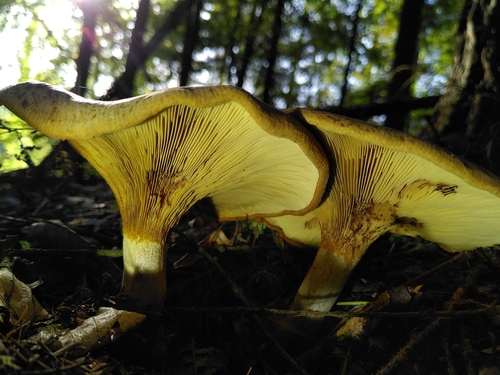
Dangerous Look-Alike (c) Lorenz Wenner, some rights reserved (CC BY), uploaded by Lorenz Wenner · cc-by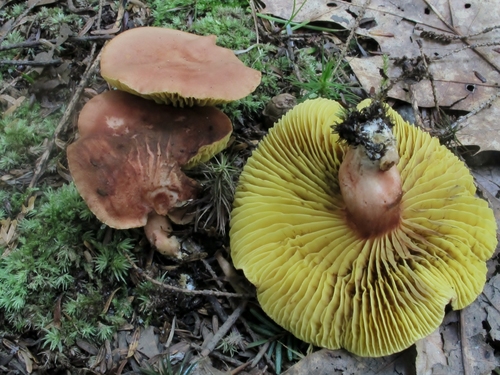
Close Relative (c) mycowalt, some rights reserved (CC BY-SA), uploaded by mycowalt · cc-by-sa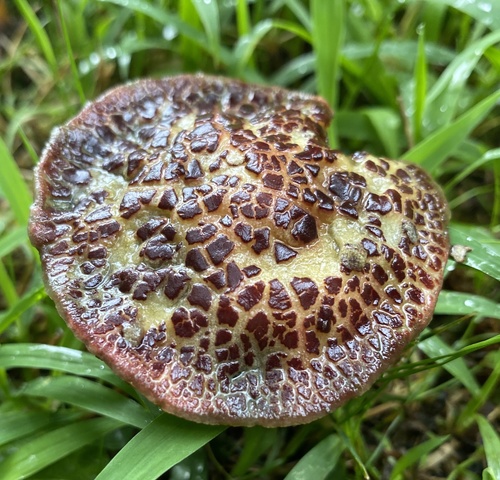
Family Relative (c) Dani Holmes, some rights reserved (CC BY) · cc-by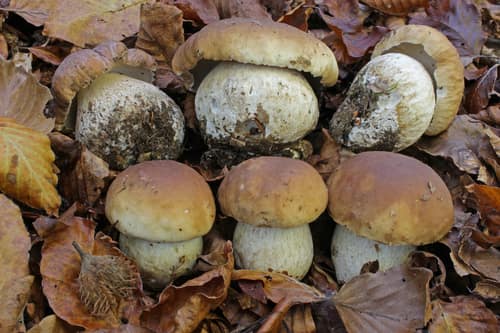
Family Member (c) Davide Puddu, some rights reserved (CC BY), uploaded by Davide Puddu · cc-by
Keep collecting in Fauna
Found in Collections
Species set Pro
Fungi Forager
Golden Gilled Bolete is found in this collection. Identify it in Fauna to fill this slot and continue your progress.
Unlock to track progress
Help improve the field guideSomething wrong?
Checking your Fauna account…Report a name, category, or profile issue for review.