
Fungus
Retiboletus nigerrimus
Retiboletus nigerrimusAlso known as Black Reticulate Bolete
Retiboletus nigerrimus is a striking dark-capped bolete characterized by its deep brown to near-black cap and prominent net-like reticulation along its stipe. Emerging on the forest floor in temperate woodlands, it forms essential mycorrhizal associations with host trees, exchanging soil nutrients for plant carbohydrates. The dark pores beneath the cap gradually mature to release spores into surrounding air currents.
MycorrhizalDark CapForest Dweller
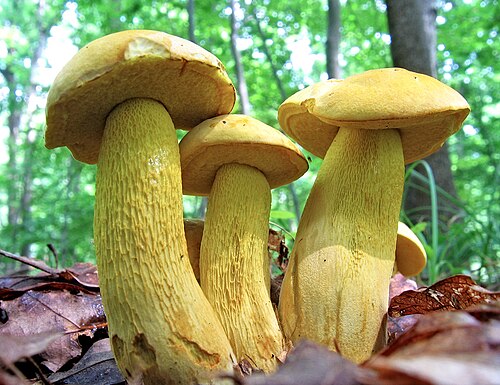
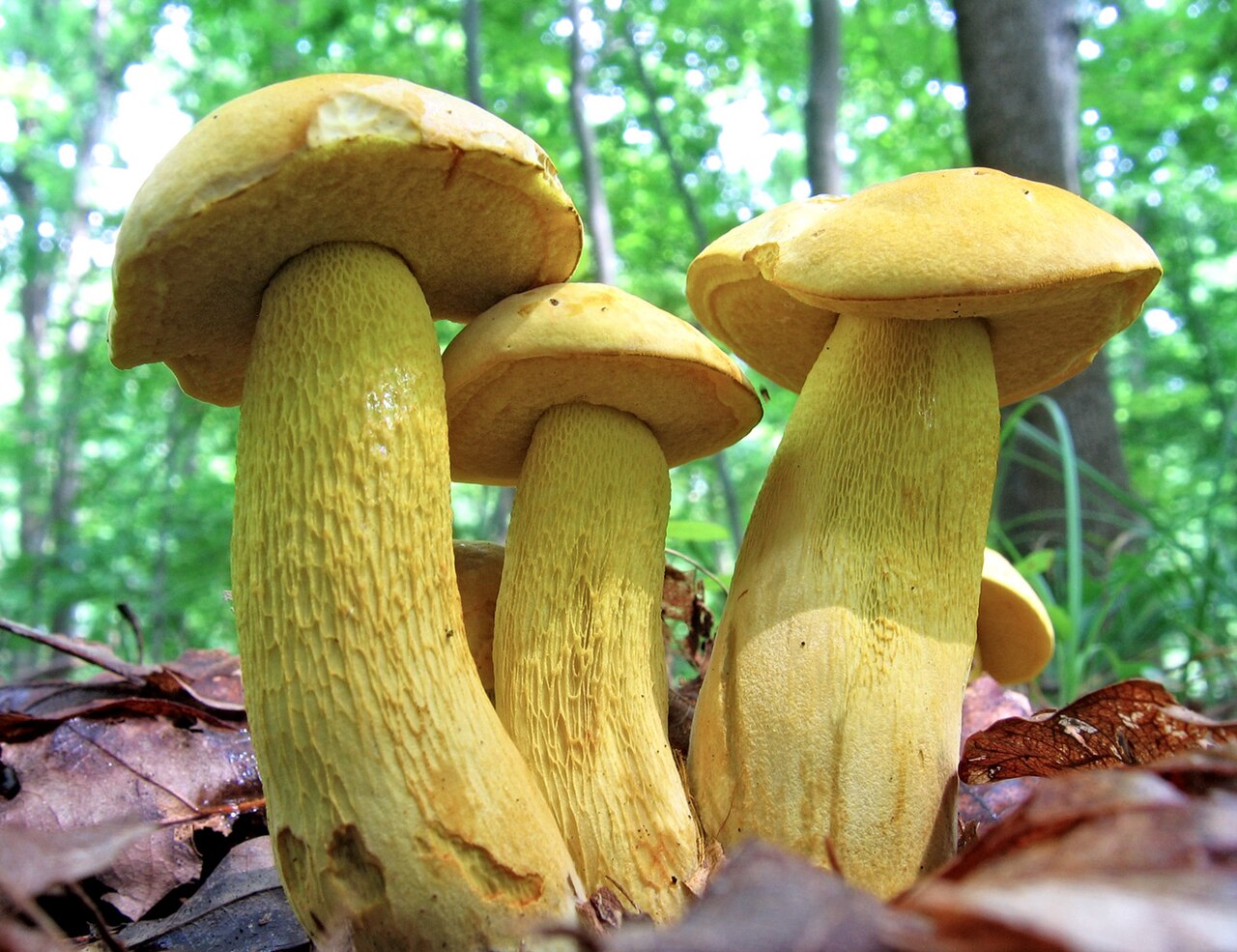
—observations
—countries
—peak records
Not EvaluatedConservation statusIUCN Red List categoriesLCNTVUENCREWEXNot Evaluated — not placed on the risk ladderRed List categories, explained →
Diet & preyMycorrhizal
Predators
- Slugs
- Fungus gnats
- Small rodents
ThreatsDeforestation and forest habitat fragmentation
HabitatsTemperate deciduous and mixed forests
Life spanPerennial underground mycelium; fruiting body lasts 1–2 weeks
Classification
- FamilyBoletaceae
- SpeciesRetiboletus nigerrimus
Range data is not available yet.
Interaction riskLow
- Low
- Moderate
- High
- Very high
- Why interaction risk is low
- Many wild mushrooms have toxic look-alikes; never eat wild fungi based on app identification alone.
Responsible observation
- Inspect the Stem: Look closely at the stem for a detailed, net-like pattern.
- Examine the Pore Surface: Observe the fine pore layer underneath the cap rather than traditional gills.
- Preserve the Mycelium: Gently clear surrounding leaf litter without disturbing the underground fungal network.
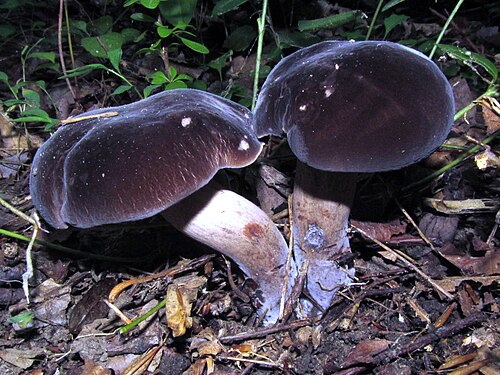
Look-alike This image was created by user Martin Livezey (MLivezey) at Mushroom Observer, a source for mycological images.You can contact this user here. / CC BY-SA 3.0 · cc-by-sa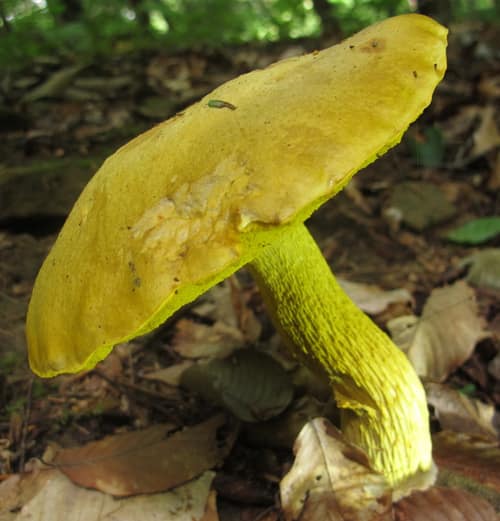
Close Relative (c) mycowalt, some rights reserved (CC BY-SA), uploaded by mycowalt · cc-by-sa Image unavailable
Close Relative
Help improve the field guideSomething wrong?
Checking your Fauna account…Report a name, category, or profile issue for review.