
Fungus
Dune Stinkhorn
Phallus hadrianiAlso known as Hadrian's Stinkhorn, Sand Stinkhorn
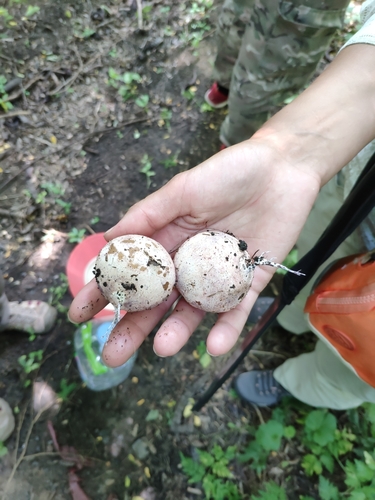
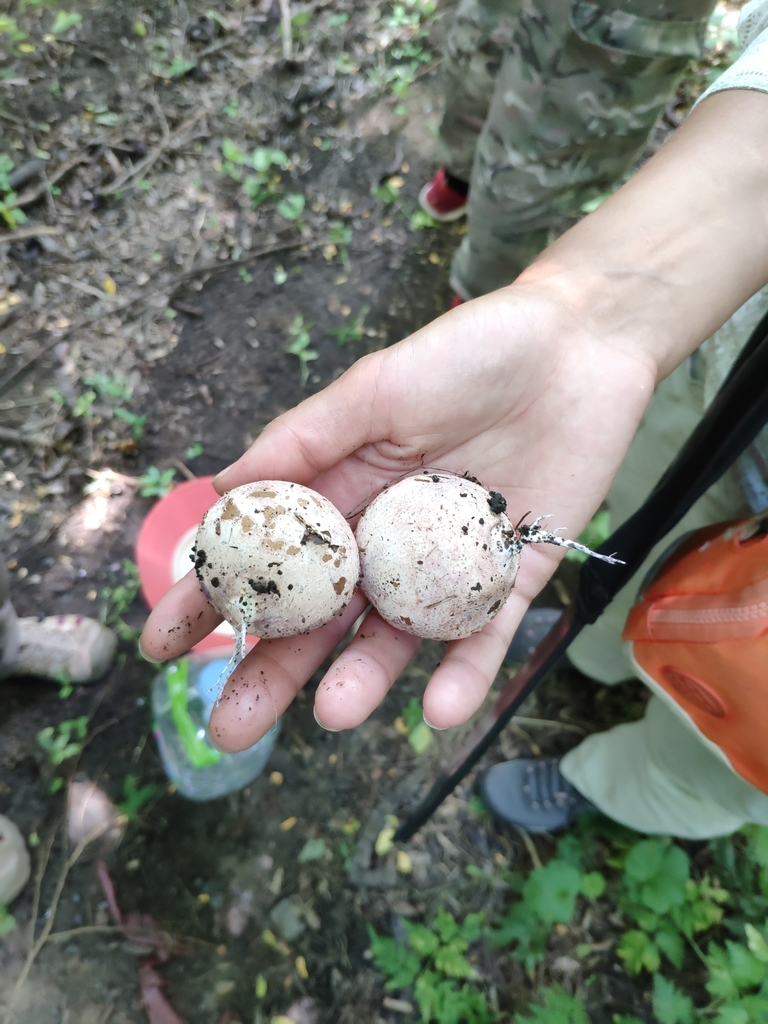
Emerging from a submerged egg-like structure, dune stinkhorns erupt rapidly into spongy, hollow white stems crowned by an olive gleba. The slimy spore mass emits an intense carrion-like odor that draws carrion flies and beetles from across the landscape. As these insects feed on the sweet, pungent coating, they collect microscopic spores on their legs and mouthparts, dispersing them throughout sandy environments.
Dune SpecialistSpore DisperserSaprotrophic
—observations
—countries
—peak records
Not EvaluatedConservation statusIUCN Red List categoriesLCNTVUENCREWEXNot Evaluated — not placed on the risk ladderRed List categories, explained →
Diet & preyDecaying plant matter, Buried woody debris, Soil organic matter
Predators
- Carrion flies
- Dung beetles
- Slugs
ThreatsCoastal dune erosion, recreational trampling, and shoreline development
HabitatsCoastal sand dunes, sandy grasslands, stabilized sandy clearings, and urban parks
Life spanFruiting body lasts 1–3 days; underground mycelium persists for years
Classification
- OrderPhallales
- FamilyPhallaceae
- GenusPhallus
- SpeciesPhallus hadriani
Range data is not available yet.
Interaction riskLow
- Low
- Moderate
- High
- Very high
- Why interaction risk is low
- Many edible mushrooms have toxic look-alikes; never eat wild fungi based on app identification alone.
Responsible observation
- Scent tracking: Follow the distinctive carrion scent downwind to locate emerging stalks hidden among dune grasses.
- Early observation: Visit early in the morning before insects strip the dark gleba away and heat collapses the fragile stem.
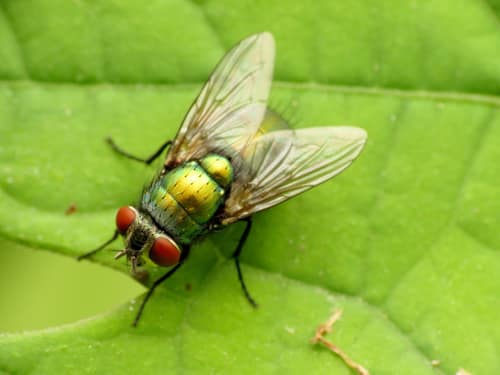
Spore Disperser (c) Katja Schulz, some rights reserved (CC BY), uploaded by Katja Schulz · cc-by
Close Relative Jörg Hempel / CC BY-SA 3.0 de · cc-by-sa
Same Family (c) Tina Ellegaard Poulsen, some rights reserved (CC BY), uploaded by Tina Ellegaard Poulsen · cc-by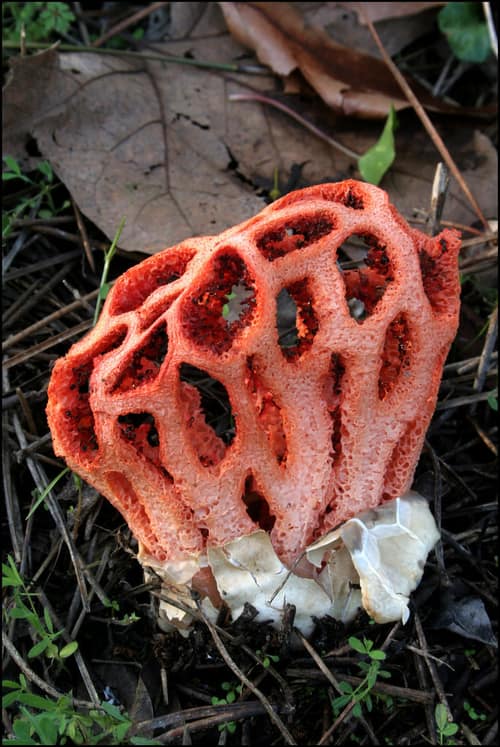
Same Family (c) Dave Gough, some rights reserved (CC BY) · cc-by
Keep collecting in Fauna
Found in Collections
Species set Pro
Fungi Forager
Dune Stinkhorn is found in this collection. Identify it in Fauna to fill this slot and continue your progress.
Unlock to track progress
Help improve the field guideSomething wrong?
Checking your Fauna account…Report a name, category, or profile issue for review.