
Fungus · GBIF taxon 2521208
Shaggy Bracket
Inonotus hispidusAlso known as Shaggy Polypore, Velvety Polypore
Shaggy Bracket sprouts directly from the trunks of broadleaf trees as a dense, velvety bracket that bleeds amber droplets from its pores when young. Over late summer and autumn, the soft upper surface darkens from rich rust to a brittle, charcoal-black mass that crumbles during winter. This fungus causes a white rot that structurally weakens host trees like ash, apple, and oak, often leading to branch drop.
FungusTree ParasiteBracket Fungus
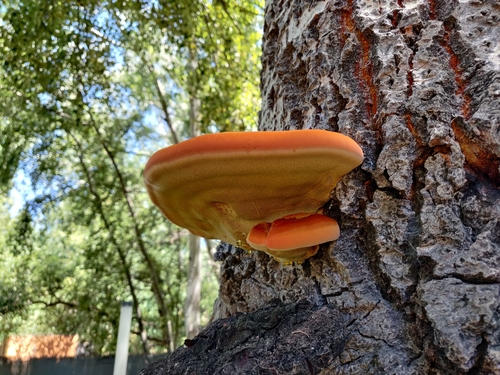
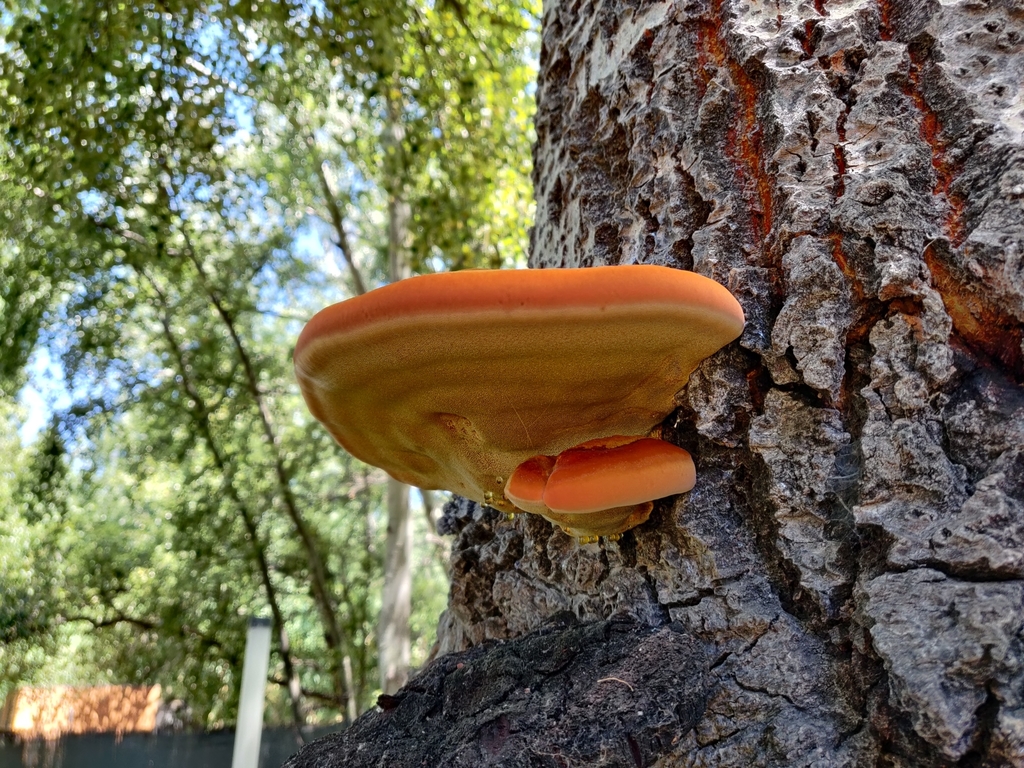 1 / 7
1 / 7—observations
—countries
—peak records
Not EvaluatedConservation statusIUCN Red List categoriesLCNTVUENCREWEXNot Evaluated — not placed on the risk ladderRed List categories, explained →
Diet & prey
- Ash Trees
- Apple Trees
- Oak Trees
Predators
- Fungus Beetles
- Fungus Gnats
ThreatsRemoval of host trees and orchard sanitation practices
HabitatsHardwood forests, orchards, parks, and roadside trees
Life spanAnnual fruiting body; mycelium lives for years inside host
Classification
- OrderHymenochaetales
- FamilyHymenochaetaceae
- GenusInonotus
- SpeciesInonotus hispidus
Range data is not available yet.
Interaction riskLow
- Low
- Moderate
- High
- Very high
- Why interaction risk is low
- Many wild fungi have dangerous look-alikes; never eat wild mushrooms based on app identification alone.
Responsible observation
- Observing Exudate: Look for golden droplets weeping from young caps in midsummer.
- Host Identification: Check living ash, apple, or oak trees where major branches join the trunk.
- Seasonal Timing: Search from summer to early autumn before caps turn black and decay.
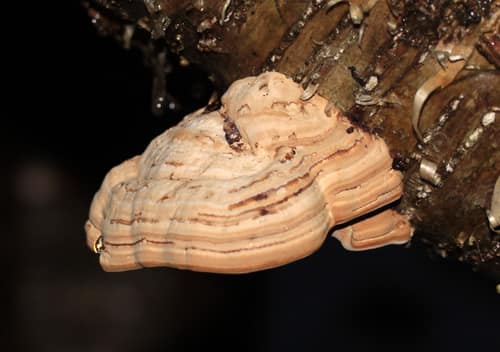
Bracket Fungi (c) Jamie Griffiths, some rights reserved (CC BY), uploaded by Jamie Griffiths · cc-by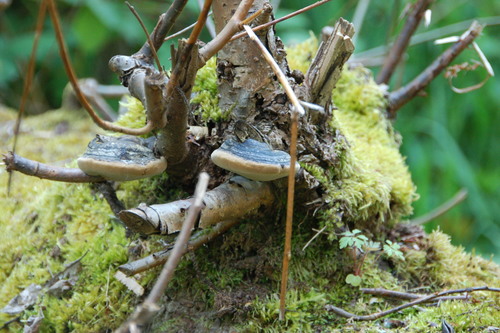
Ecological Neighbor (c) Gunnar Bonk, some rights reserved (CC BY-SA) · cc-by-sa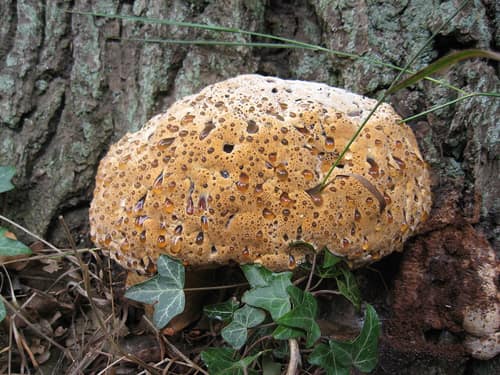
Close Relative Brammers / Public domain · cc0
Help improve the field guideSomething wrong?
Checking your Fauna account…Report a name, category, or profile issue for review.