
Fungus · GBIF taxon 2521089
Chaga Mushroom
Inonotus obliquusAlso known as Clinker Fungus, Birch Canker, Black Birch Button, Cinder Conk
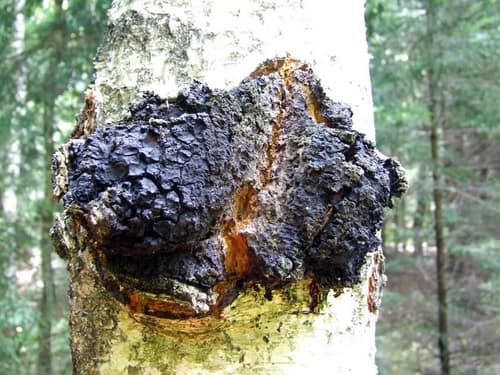
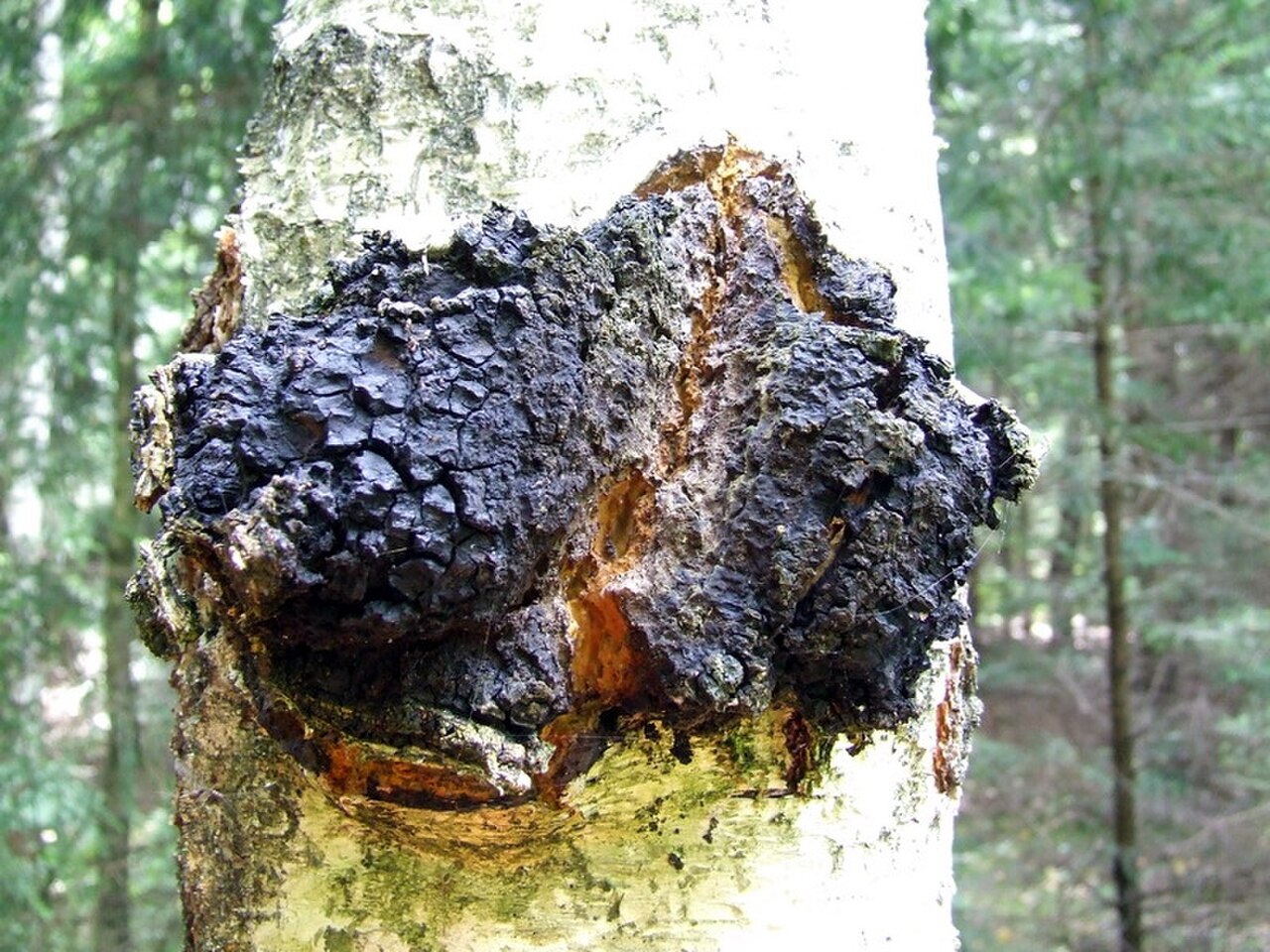
Birch trees across northern boreal forests often host charcoal-like, cracked black growths bursting through their bark. This dark crust, known as a sclerotium, is a dense mass of fungal mycelium heavily pigmented with melanin to resist extreme cold and solar radiation. The true fruiting body develops beneath the bark only after the host tree eventually dies, releasing spores into the wind.
Birch ParasiteWood DecayerBoreal
—observations
—countries
—peak records
Least ConcernConservation statusIUCN Red List categoriesLCNTVUENCREWEXLeast ConcernRed List categories, explained →
Diet & prey
- Birch wood (Betula species)
- Beech wood
- Alder wood
Predators
Not available
ThreatsOverharvesting of wild growths and loss of mature host trees
HabitatsBoreal forests, birch woodlands, and cool temperate forests
Life spanPerennial (sclerotium persists for 10–80 years)
Size / weightNot available
Classification
- FamilyHymenochaetaceae
- SpeciesInonotus obliquus
Range data is not available yet.
Interaction riskLow
- Low
- Moderate
- High
- Very high
- Why interaction risk is low
- Many wild fungi have toxic look-alikes; never ingest wild fungi based on app identification alone.
Responsible observation
- Observation: Look for cracked, charcoal-like masses on mature birch tree trunks.
- Tree Health: Note that infected trees typically decline slowly over several decades.
- Conservation: Avoid breaking wild growths to protect forest fungal ecology.
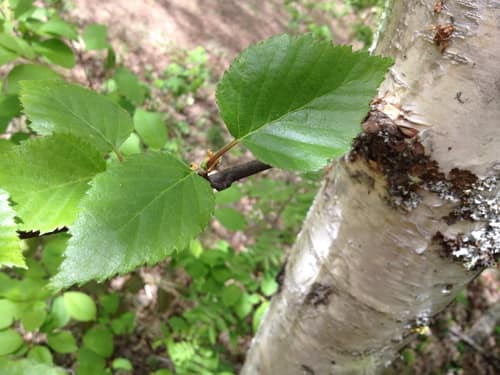
Host Tree no rights reserved, uploaded by Dezene Huber · cc0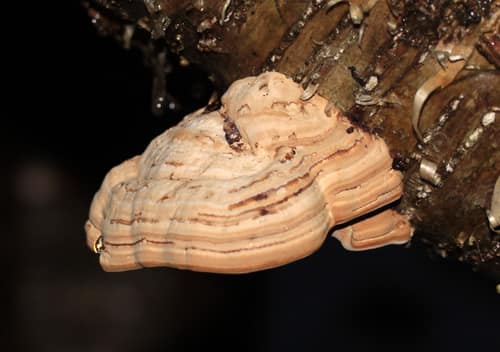
Competitor (c) Jamie Griffiths, some rights reserved (CC BY), uploaded by Jamie Griffiths · cc-by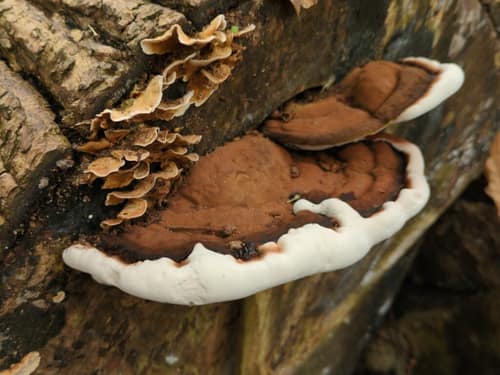
Related Bracket no rights reserved · cc0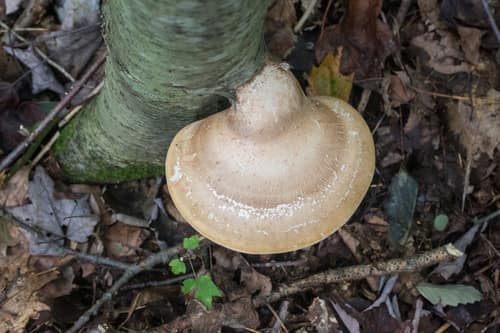
Frequent Companion (c) Richard Jacob, some rights reserved (CC BY), uploaded by Richard Jacob · cc-by
Help improve the field guideSomething wrong?
Checking your Fauna account…Report a name, category, or profile issue for review.