
Fungus · GBIF taxon 2516181
Cedar-apple Rust
Gymnosporangium juniperi-virginianaeAlso known as Cedar Apple Rust Fungus, Juniper Rust
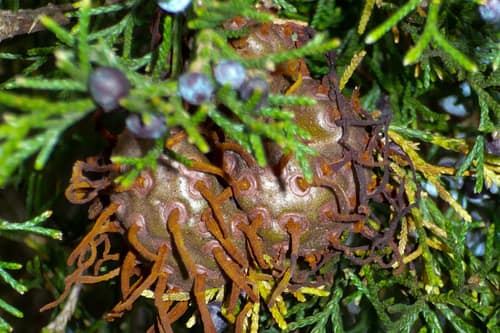
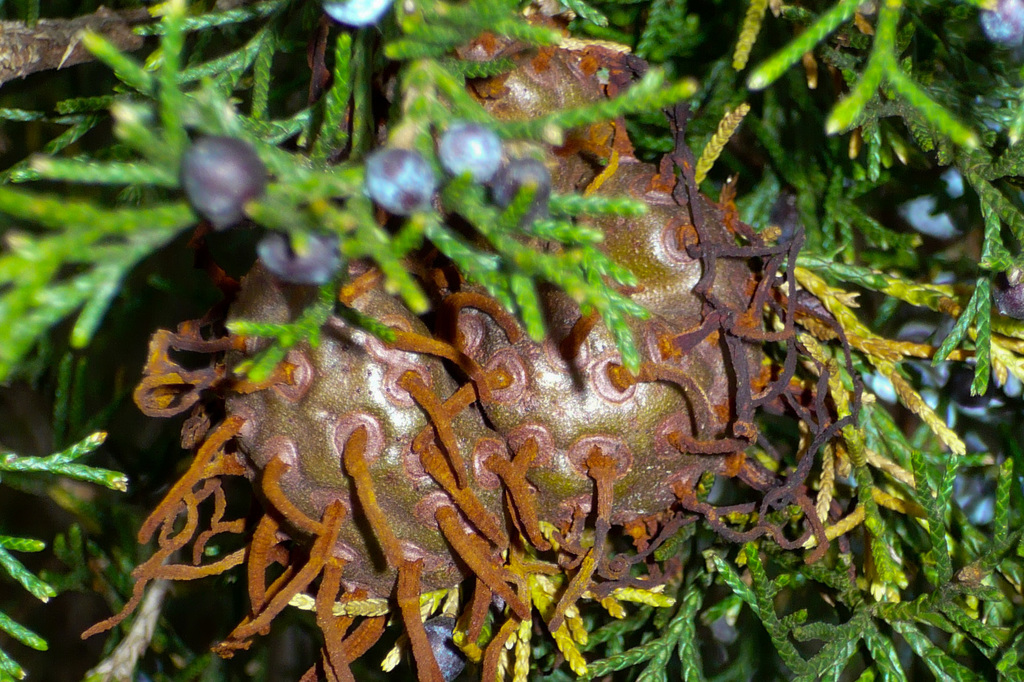
Cedar-apple rust is a complex plant pathogen that requires two distinct host species to complete its lifecycle. During warm spring rains, round galls on red cedars swell and sprout striking, bright orange gelatinous tendrils that release millions of windborne spores. These spores travel to neighboring apple trees, forming yellow and orange spots on leaves and fruit that eventually release spores back to infect cedars.
FungusPlant PathogenOrange
—observations
—countries
—peak records
Not EvaluatedConservation statusIUCN Red List categoriesLCNTVUENCREWEXNot Evaluated — not placed on the risk ladderRed List categories, explained →
Diet & prey
- Eastern Red Cedar
- Apple
- Crabapple
Predators
Not available
ThreatsFungicide applications and host plant removal
HabitatsOrchards, temperate forests, rural landscapes, and suburban yards where junipers and apples co-occur
Life spanPerennial inside host cedar galls; annual seasonal cycle on apple foliage
Size / weightNot available
Classification
- OrderPucciniales
- FamilyGymnosporangiaceae
- GenusGymnosporangium
- SpeciesGymnosporangium juniperi-virginianae
Range data is not available yet.
Interaction riskLow
- Low
- Moderate
- High
- Very high
- Why interaction risk is low
- Harmless to humans; many wild fungi have toxic look-alikes, so never eat wild fungi based on app identification alone.
Responsible observation
- Spring Rain Spotting: Look for bright orange gelatinous horns sprouting from juniper galls following warm spring rains.
- Apple Leaf Check: Examine apple leaf undersides in midsummer for small tube-like spore structures.
- Distance Management: Maintain a gap of several hundred meters between red cedars and apple orchards to minimize infection.
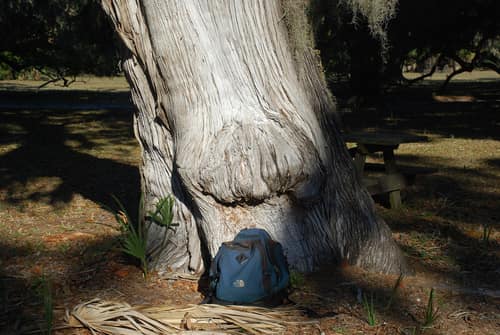
Primary Host (c) Douglas Goldman, some rights reserved (CC BY-SA), uploaded by Douglas Goldman · cc-by-sa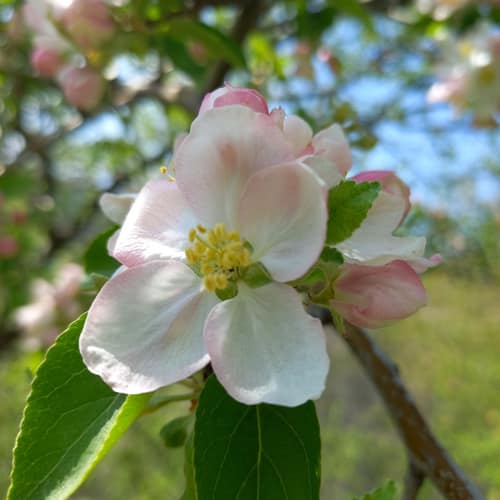
Alternate Host (c) Alexander Dubynin, some rights reserved (CC BY) · cc-by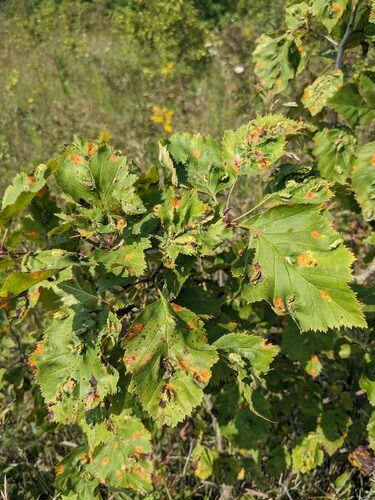
Close Relative no rights reserved · cc0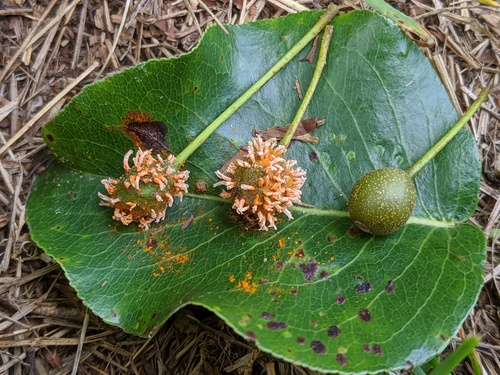
Close Relative (c) Luke Smithson, some rights reserved (CC BY-SA), uploaded by Luke Smithson · cc-by-sa
Help improve the field guideSomething wrong?
Checking your Fauna account…Report a name, category, or profile issue for review.