
Fungus · GBIF taxon 2512925
Jelly Spot Fungus
Dacrymyces stillatusAlso known as Common Jelly Spot, Yellow Jelly Drop
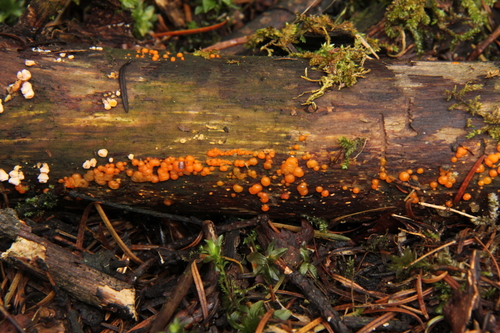
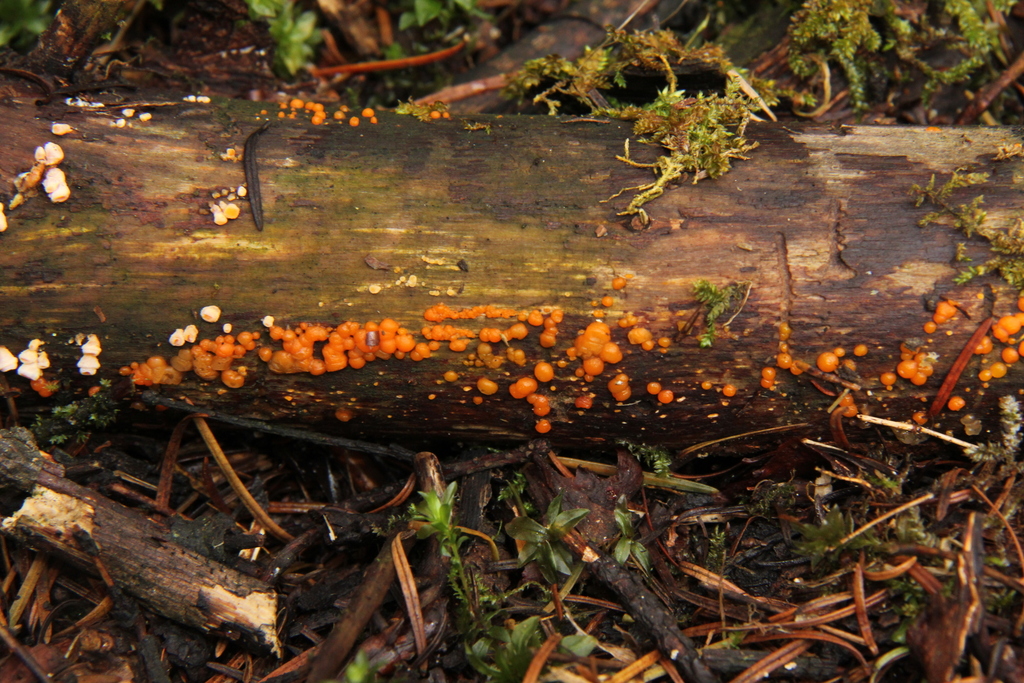
Jelly spot fungus forms soft, gelatinous yellow-to-orange pustules on decaying logs, fallen branches, and timber across temperate forests. These small, cushion-like blobs harden and turn darker orange or brown when dry, reviving quickly into translucent jellies after rainfall. As a saprotrophic species, it plays an active role in breaking down wood components in forest ecosystems.
FungusGelatinousWood-Decayer
—observations
—countries
—peak records
Not EvaluatedConservation statusIUCN Red List categoriesLCNTVUENCREWEXNot Evaluated — not placed on the risk ladderRed List categories, explained →
Diet & prey
- Saprotrophic (decomposing dead wood)
Predators
- Slugs
- Fungus Gnats
- Beetle Larvae
ThreatsLoss of deadwood habitat
HabitatsTemperate forests, woodlands, gardens on decaying coniferous and deciduous timber
Life spanFruiting bodies last several weeks to months
Size / weightNot available
Classification
- FamilyDacrymycetaceae
- SpeciesDacrymyces stillatus
Range data is not available yet.
Interaction riskLow
- Low
- Moderate
- High
- Very high
- Why interaction risk is low
- Many wild fungi have toxic look-alikes; never ingest wild mushrooms based on app identification alone.
Responsible observation
- Observation: Look for tiny bright yellow droplets on barkless logs after damp weather.
- Identification: Touch gently to feel its rubbery, gelatinous texture compared to hard fungi.
- Drying Response: Notice how shriveled patches rehydrate into soft jellies following fresh rain.
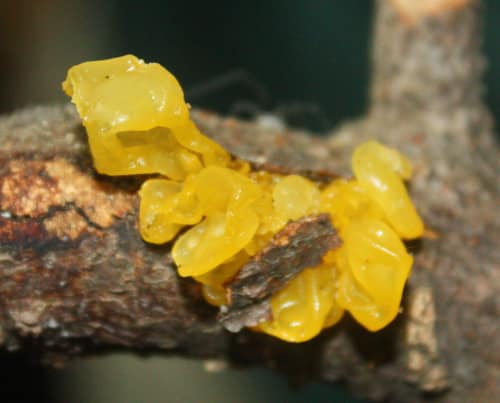
Look-Alike no rights reserved · cc0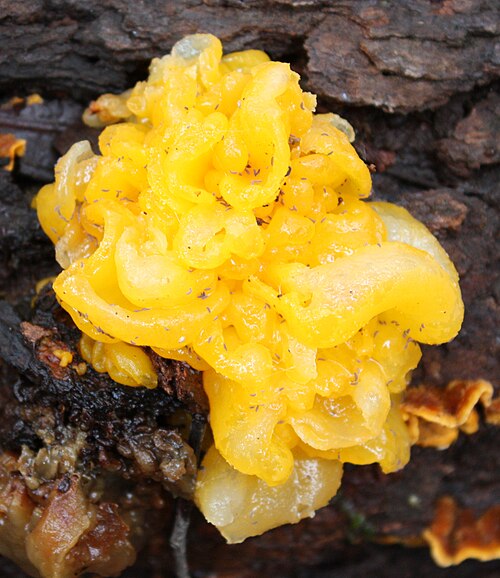
Look-Alike Hesperian / CC BY-SA 3.0 · cc-by-sa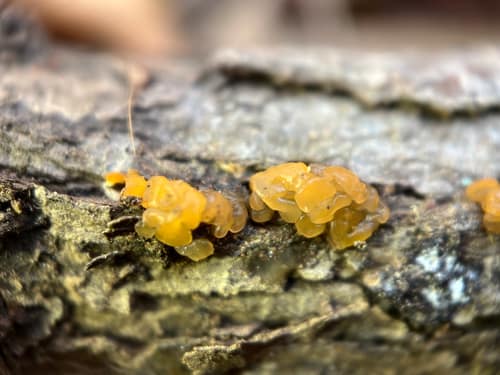
Close Relative (c) Serenella Linares, some rights reserved (CC BY) · cc-by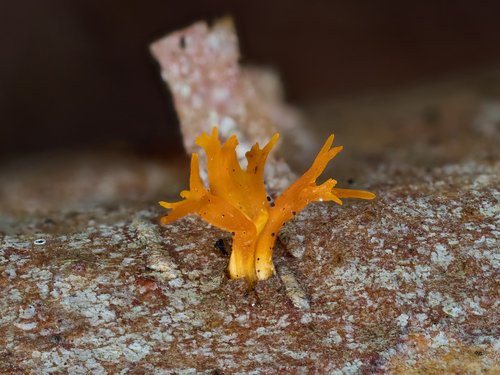
Family Member (c) Justin Paulin, some rights reserved (CC BY), uploaded by Justin Paulin · cc-by
Help improve the field guideSomething wrong?
Checking your Fauna account…Report a name, category, or profile issue for review.