
Invertebrate
Flea Tapeworm
Dipylidium caninumAlso known as Cucumber Tapeworm, Double-Pored Tapeworm, Dog Tapeworm
Flea tapeworms live as internal parasites within the small intestines of domestic dogs, cats, and wild carnivores. Their complex life cycle relies on fleas or chewing lice, which swallow tapeworm eggs while in their larval stage. When a pet ingests an infected adult flea during grooming, the parasite matures inside the intestinal wall and periodically sheds egg-filled body segments.
ParasiteInternal ParasiteInvertebrate
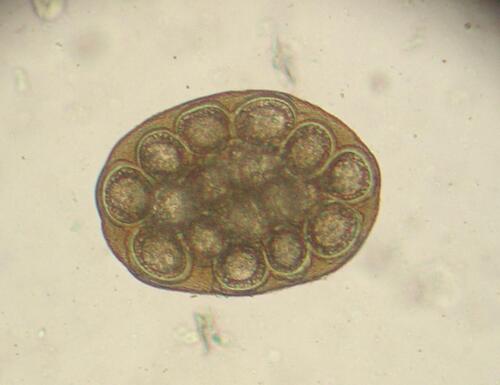
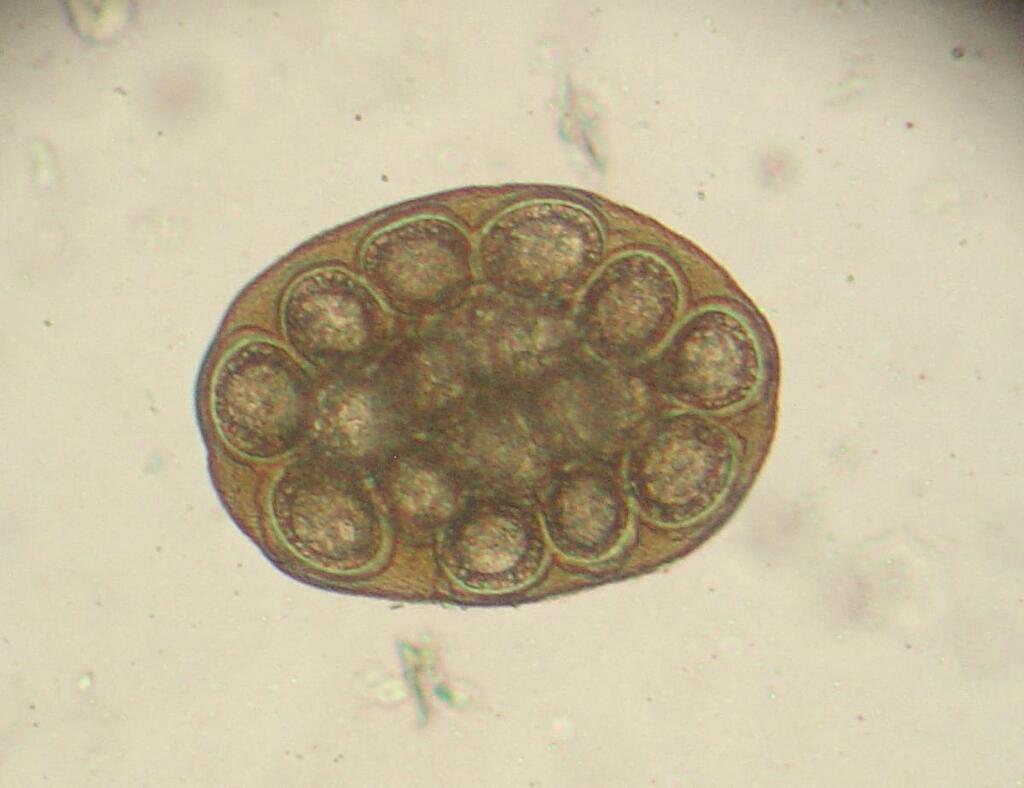
—observations
—countries
—peak records
Not EvaluatedConservation statusIUCN Red List categoriesLCNTVUENCREWEXNot Evaluated — not placed on the risk ladderRed List categories, explained →
Diet & preyIntestinal chyme, Host nutrients
ThreatsVeterinary dewormers and targeted flea control treatments
HabitatsIntestinal tracts of domestic and wild mammals, mediated by fleas
Life spanSeveral months to over a year in host intestines
Classification
- OrderCyclophyllidea
- FamilyDipylidiidae
- GenusDipylidium
- SpeciesDipylidium caninum
Range data is not available yet.
Interaction riskModerate
- Low
- Moderate
- High
- Very high
- Why interaction risk is moderate
- Ingesting infected fleas can transfer larvae to pets or humans; maintain routine flea prevention.
- Why it is dangerous
- Accidental ingestion of infected fleas transmits cysticercoid larvae, causing mild intestinal irritation in host pets and occasionally young children.
- How to recognize a risky encounter
- Freshly shed segments resemble active rice grains or dried cucumber seeds attached to fur around the tail.
- What to do
- Dispose of pet waste using sealed bags, wash hands, and treat affected pets with veterinarian prescribed dewormers.
Responsible observation
- Prevention: Maintain consistent veterinary flea control treatments on all household pets.
- Identification: Look for small, cream-colored segments resembling moving rice grains near pet bedding or stool.
- Hygiene: Wash hands thoroughly after handling outdoor animals or cleaning pet waste.
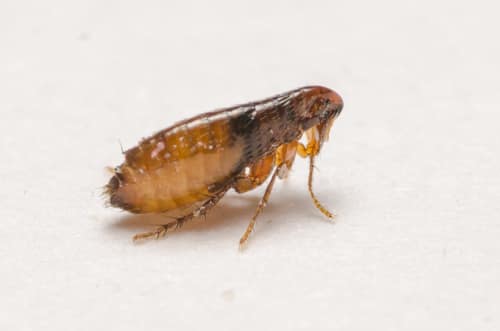
Vector Host (c) Justin Williams, some rights reserved (CC BY), uploaded by Justin Williams · cc-by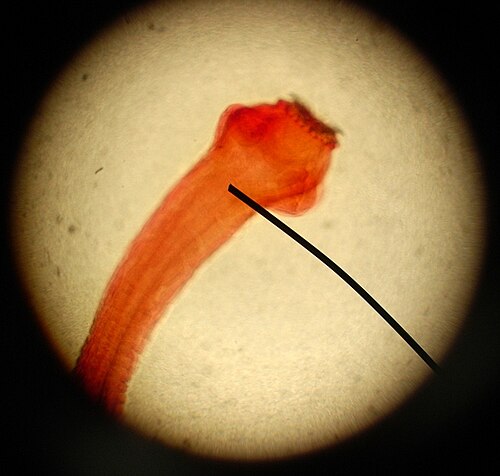
Close Relative Original photo by Sarah J. Wu; photo cropped by Mikemoral / CC BY-SA 3.0 · cc-by-sa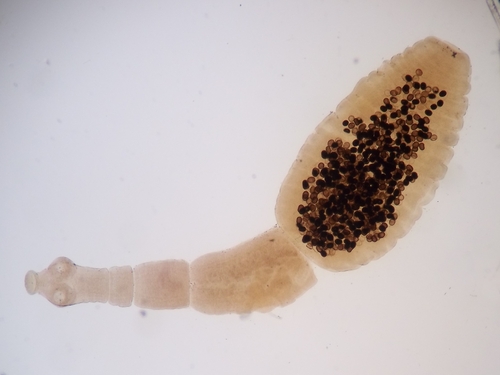
Close Relative (c) Ganímedes, some rights reserved (CC BY-SA) · cc-by-sa
Help improve the field guideSomething wrong?
Checking your Fauna account…Report a name, category, or profile issue for review.