
Bird
Lesser Whistling-Duck
Dendrocygna javanicaAlso known as Indian Whistling Duck, Lesser Whistling Teal
Lesser whistling-ducks gather in vast, sociable flocks across southern Asian wetlands, perching adeptly on emergent branches to rest through the heat of the day. At dusk, they take wing with distinctive two-note whistles that echo across the water, traveling to flooded rice paddies and shallow marshes to feed under cover of darkness. Mated pairs form monogamous bonds and frequently rear their downy broods in tree cavities or abandoned raptor nests situated above water.
NocturnalWaterfowlGregarious
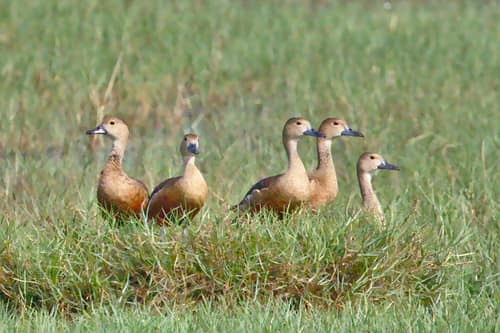
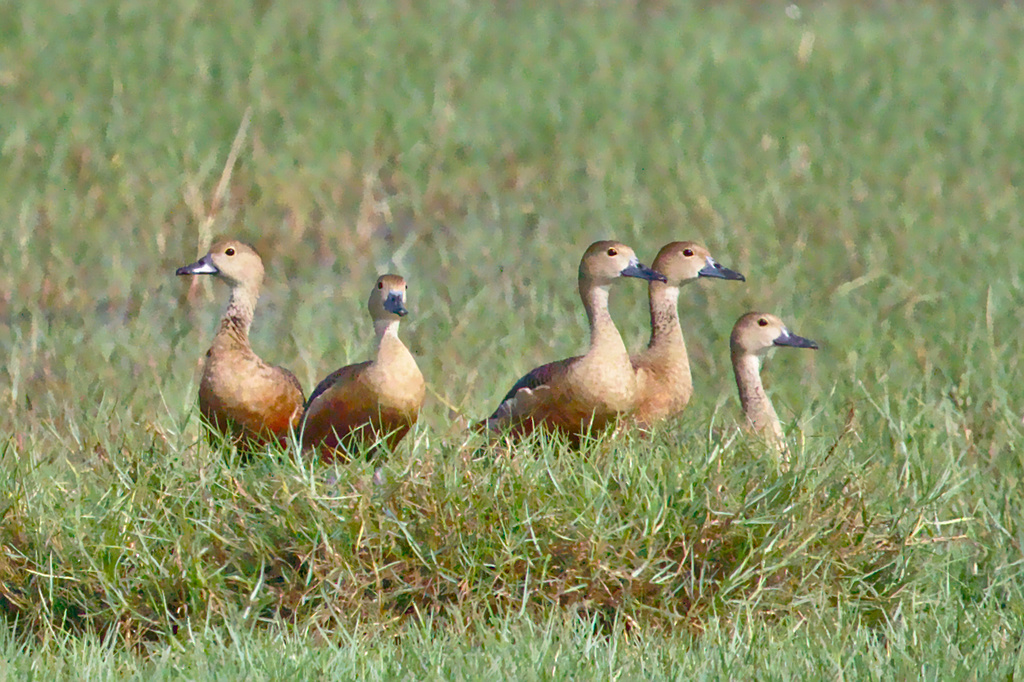
—observations
—countries
—peak records
Least ConcernConservation statusIUCN Red List categoriesLCNTVUENCREWEXLeast ConcernRed List categories, explained →
Diet & preyAquatic vegetation, Freshwater snails, Grass seeds
Predators
- Birds of prey
- Water monitors
- Feral dogs
ThreatsWetland degradation, pesticide runoff, and localized hunting
HabitatsFreshwater wetlands, shallow lakes, marshes, and flooded paddy fields
Life span6–10 years
Classification
- FamilyAnatidae
- SpeciesDendrocygna javanica
Range data is not available yet.
Interaction riskLow
- Low
- Moderate
- High
- Very high
- Why interaction risk is low
- Safe to observe at a normal distance.
Responsible observation
- Listening: Listen for their high-pitched, wheezy whistling calls as flocks commute overhead at dusk.
- Observation: Scan emergent snags and dead trees along wetland margins where daytime roosting flocks gather.
Frequent Companion (c) Navaneeth Sini George, some rights reserved (CC BY) · cc-by
Neighbor (c) Audrey Whitlock, some rights reserved (CC BY) · cc-by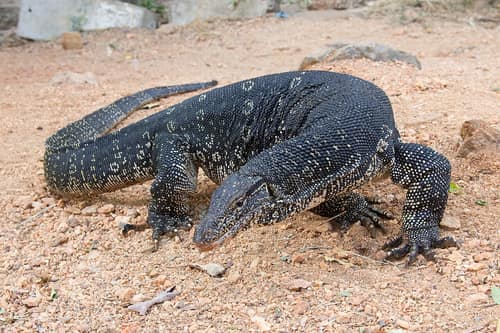
Predator Carlos Delgado / CC BY-SA 4.0 · cc-by-sa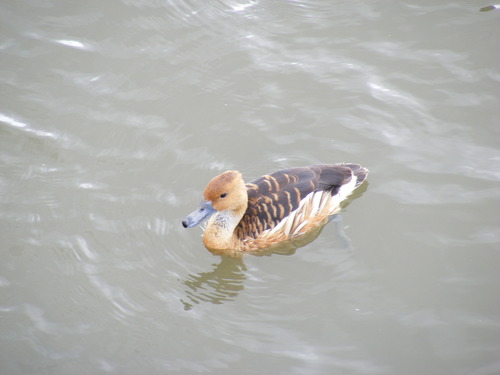
Close Relative (c) John Proctor, some rights reserved (CC BY) · cc-by
Help improve the field guideSomething wrong?
Checking your Fauna account…Report a name, category, or profile issue for review.