
Bird
Wandering Whistling-Duck
Dendrocygna arcuataAlso known as Water Whistle-Duck, Whistling Tree Duck, Tree Duck
Flocks gather in noisy communal rafts along tropical wetlands, filling the air with high-pitched, piping whistles as they take flight. Unlike many surface-feeding waterfowl, these ducks dive completely underwater with agile kicks to harvest tender submerged vegetation and aquatic tubers. Pairs form strong monogamous bonds and often preen each other while resting on emergent logs or muddy sandbars during the heat of midday.
AquaticGregariousVocal
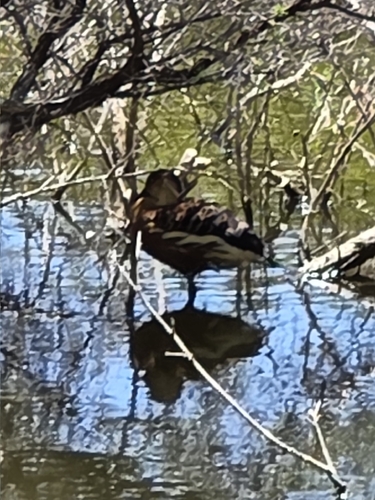
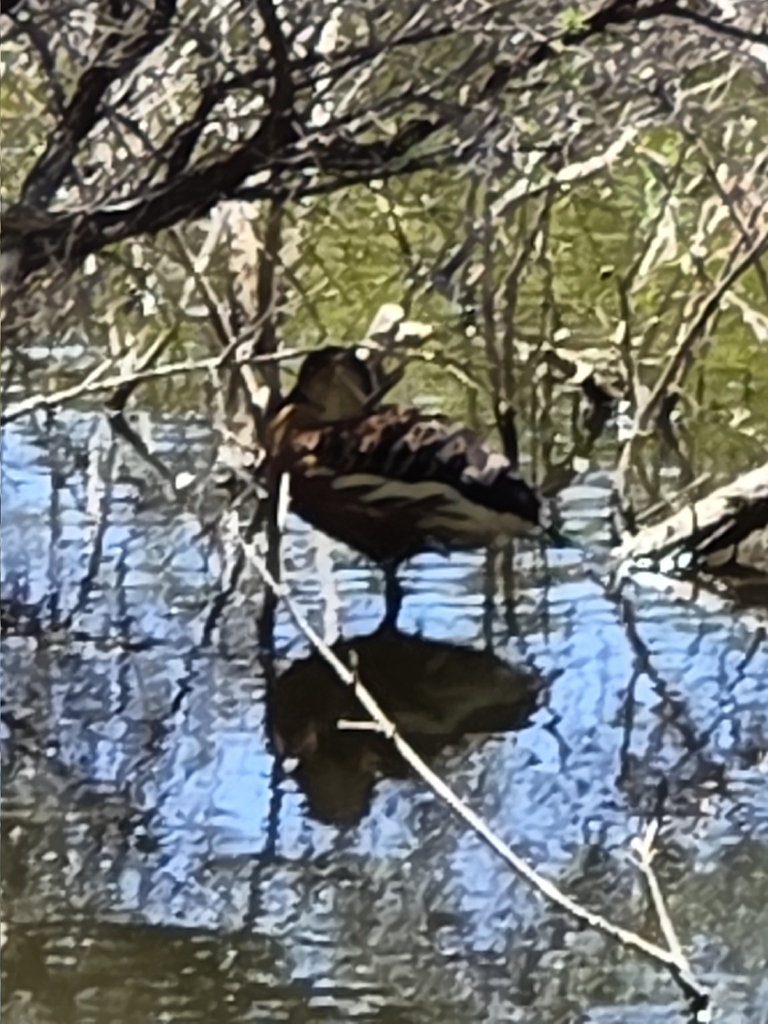
—observations
—countries
—peak records
Least ConcernConservation statusIUCN Red List categoriesLCNTVUENCREWEXLeast ConcernRed List categories, explained →
Diet & preyWater Lily Tubers, Grass Seeds, Aquatic Snails
Predators
- Saltwater Crocodile
- White-bellied Sea-Eagle
- Water Python
ThreatsWetland degradation, water pollution, and hunting pressure
HabitatsDeep freshwater lagoons, flooded grasslands, swamps, and rice paddies
Life span8–12 years
Classification
- OrderAnseriformes
- FamilyAnatidae
- GenusDendrocygna
- SpeciesDendrocygna arcuata
Range data is not available yet.
Interaction riskLow
- Low
- Moderate
- High
- Very high
- Why interaction risk is low
- Safe to observe at a normal distance.
Responsible observation
- Observation: Use binoculars across open water early in the morning when feeding flocks are most active.
- Acoustic cues: Listen for a chorus of shrill, multi-syllable musical chirps or trills given during flight.
- Disturbance: Keep a steady distance along water margins, as startled flocks readily take wing together.
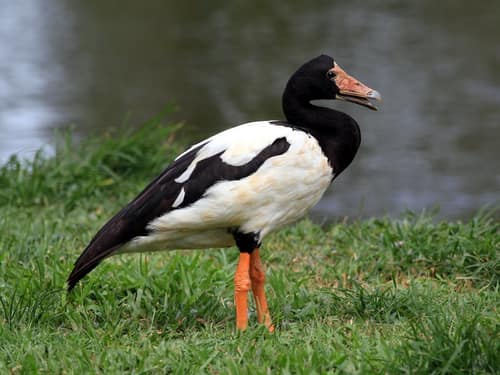
Frequent Companion (c) Graham Winterflood, some rights reserved (CC BY-SA), uploaded by Graham Winterflood · cc-by-sa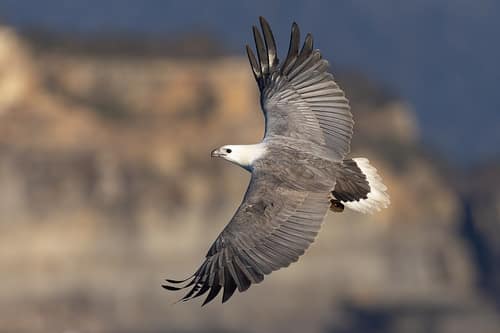
Predator JJ Harrison / CC BY-SA 3.0 · cc-by-sa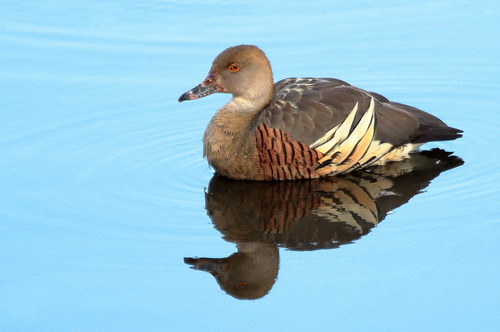
Close Relative (c) Graham Winterflood, some rights reserved (CC BY-SA) · cc-by-sa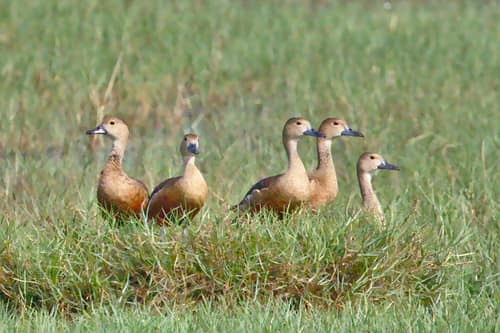
Close Relative (c) Navin Sasikumar, some rights reserved (CC BY) · cc-by
Keep collecting in Fauna
Found in Collections
Species set Pro
Farm Friends
Wandering Whistling-Duck is found in this collection. Identify it in Fauna to fill this slot and continue your progress.
Unlock to track progress
Help improve the field guideSomething wrong?
Checking your Fauna account…Report a name, category, or profile issue for review.