
Bird · GBIF taxon 2498350
King Eider
Somateria spectabilisAlso known as King Duck
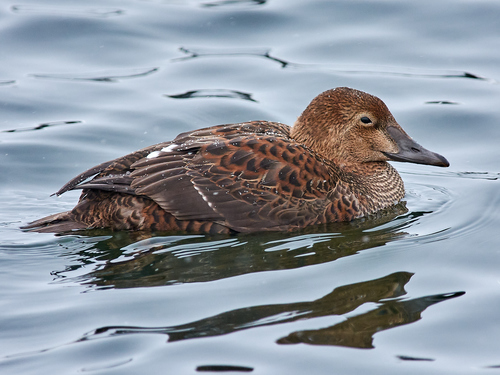
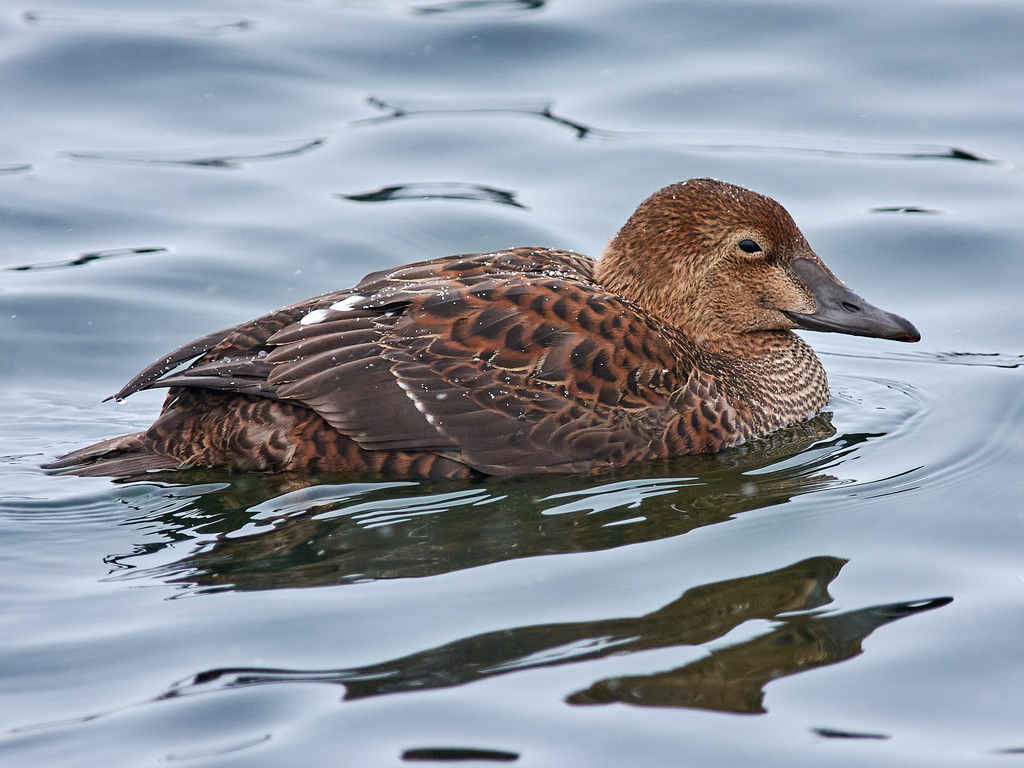
King eiders are heavy-bodied Arctic sea ducks renowned for the breeding male's striking orange head shield, powder-blue crown, and greenish cheek patches. Females are warm brown with subtle chevron markings, expertly camouflaged against tundra mosses where they nest in open ground scrapes. These deep-diving waterfowl spend most of the year in turbulent coastal marine waters, assembling in massive spring flocks before migrating inland to breed.
WaterfowlArcticMigratory
—observations
—countries
—peak records
Least ConcernConservation statusIUCN Red List categoriesLCNTVUENCREWEXLeast ConcernRed List categories, explained →
Diet & prey
- Mussels
- Crabs
- Sea Urchins
Predators
- Arctic Fox
- Glaucous Gull
- Polar Bear
ThreatsClimate change, offshore oil development, pollution, unsustainable harvest
HabitatsArctic tundra, coastal marine waters, estuaries, open sea ice leads
Life span10–20 years
Size / weightNot available
Classification
- FamilyAnatidae
- SpeciesSomateria spectabilis
Range data is not available yet.
Interaction riskLow
- Low
- Moderate
- High
- Very high
- Why interaction risk is low
- Safe to observe at a respectful distance.
- What to notice
- Recognize females by their warm brown barred plumage and secretive, motionless stance in low tundra vegetation near water.
- Support conservation
- Keep at least one hundred meters away from potential nesting territory in June and July to avoid displacing birds.
Responsible observation
- Scanning Flocks: Look for bright male head shields along open leads in sea ice during spring migration.
- Distance at Nests: Avoid walking through tundra nesting habitat to prevent flushing incubating hens.
- Offshore Optics: Use a spotting scope to scan distant coastal waters where large rafts gather.
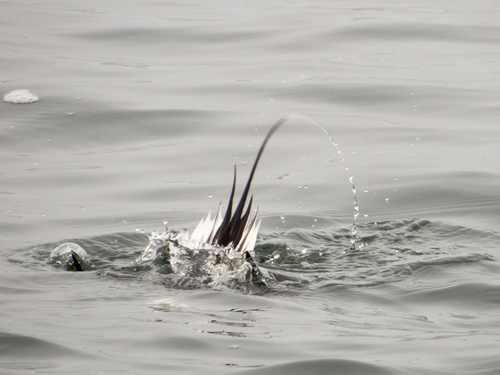
Frequent Companion no rights reserved · cc0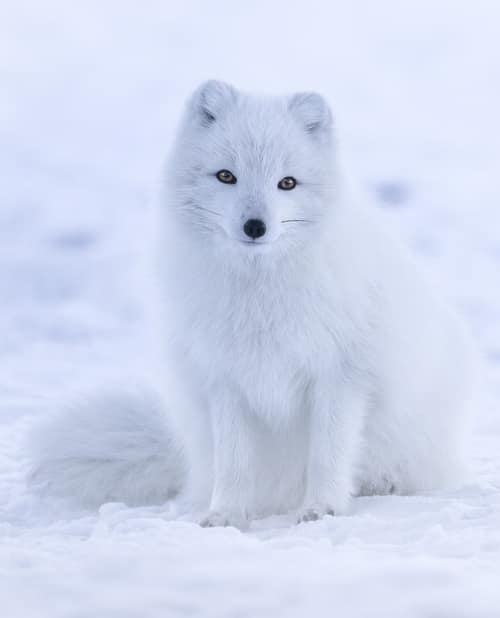
Predator Jonathen Pie https://unsplash.com/@r3dmax / CC0 · cc0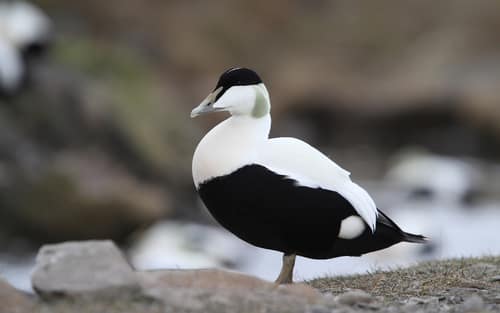
Close Relative (c) Christoph Moning, some rights reserved (CC BY), uploaded by Christoph Moning · cc-by Image unavailable
Close Relative Close Relative
Help improve the field guideSomething wrong?
Checking your Fauna account…Report a name, category, or profile issue for review.