
Bird
Trumpeter Swan
Cygnus buccinatorAlso known as Trumpeter, Bugler
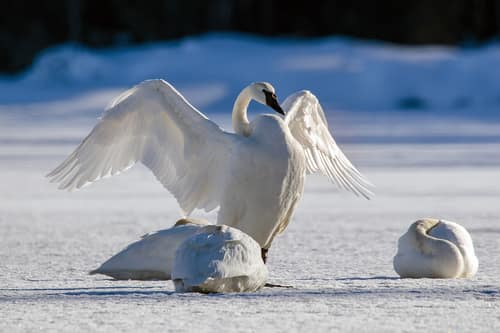
Trumpeter swans form lifelong pair bonds, returning year after year to shallow northern wetlands where they build massive floating nests out of aquatic vegetation. Their deep, bugle-like calls resonate across lakes and marshes, serving as a primary signal for territory defense and mate communication. Once on the brink of extinction, careful conservation and reintroduction efforts have restored these massive waterfowl across much of their historic North American range.
WaterfowlMigratoryMonogamous

—observations
—countries
—peak records
Least ConcernConservation statusIUCN Red List categoriesLCNTVUENCREWEXLeast ConcernRed List categories, explained →
Diet & preyPondweed, Duckweed, Sedge Roots
Predators
- Bald Eagle
- Coyote
- Common Raven
ThreatsLead poisoning from ingested fishing tackle and shot, habitat loss, power line collisions
HabitatsShallow lakes, ponds, freshwater marshes, and slow-moving rivers
Life span12–24 years
Classification
- OrderAnseriformes
- FamilyAnatidae
- GenusCygnus
- SpeciesCygnus buccinator
Range data is not available yet.
Interaction riskHigh
- Low
- Moderate
- High
- Very high
- Why interaction risk is high
- Territorial adults aggressively defend nests with powerful wing slaps; observe nesting pairs from a safe distance.
- Why it is dangerous
- Massive size and powerful wing muscles allow territorial adults to inflict painful bruises or knock over intruders near nests.
- How to recognize a risky encounter
- Recognized by their enormous white body, straight all-black bill, and resonant bugle-like call.
- What to do
- Back away immediately if a swan lowers its neck, hisses, or spreads its wings aggressively.
- What to notice
- Look for massive white swans nesting on large elevated mounds of vegetation in quiet shallow wetlands.
- Support conservation
- Keep at least 100 meters away from nesting sites and use optics to enjoy their behavior without causing stress.
Responsible observation
- Observation Distance: Keep a generous distance during spring nesting season to avoid disturbing incubating parents.
- Auditory Identification: Listen for low-pitched, horn-like trumpeting calls that sound distinct from smaller waterfowl.
- Habitat Etiquette: Never leave lead fishing sinkers or line in shallow waters where foraging swans scoop mud.
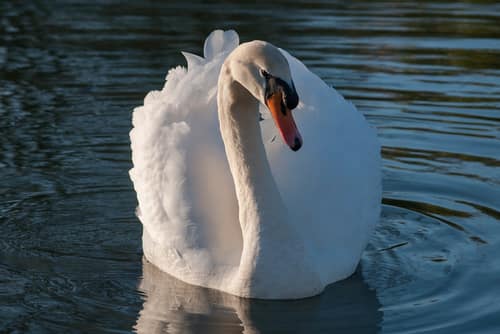
Competitor "Mute Swan" by CarolineG2011 is licensed under CC BY-SA 2.0. To view a copy of this license, visit https://creativecommons.org/licenses/by-sa/2.0/. · cc-by-sa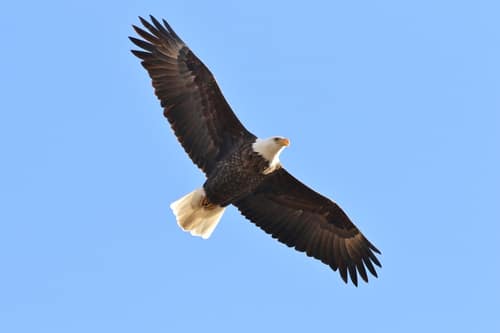
Predator (c) Thibaud Aronson, some rights reserved (CC BY-SA), uploaded by Thibaud Aronson · cc-by-sa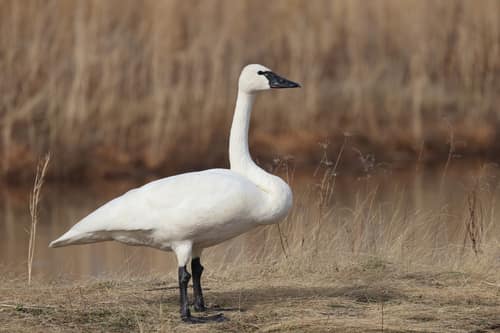
Close Relative no rights reserved, uploaded by Andy Wilson · cc0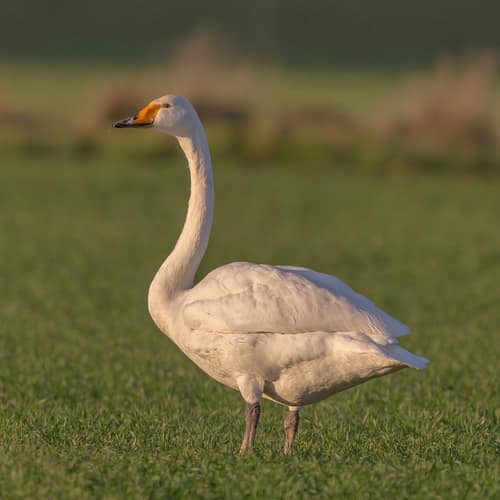
Close Relative Andreas Trepte / CC BY-SA 2.5 · cc-by-sa
Keep collecting in Fauna
Found in Collections
Ecosystem chain Pro
Secret Garden
Trumpeter Swan is found in this collection. Identify it in Fauna to fill this slot and continue your progress.
Unlock to track progress
Help improve the field guideSomething wrong?
Checking your Fauna account…Report a name, category, or profile issue for review.