
Bird · GBIF taxon 2498335
Black-necked Swan
Cygnus melancoryphusAlso known as Cisne de Cuello Negro, South American Black-necked Swan
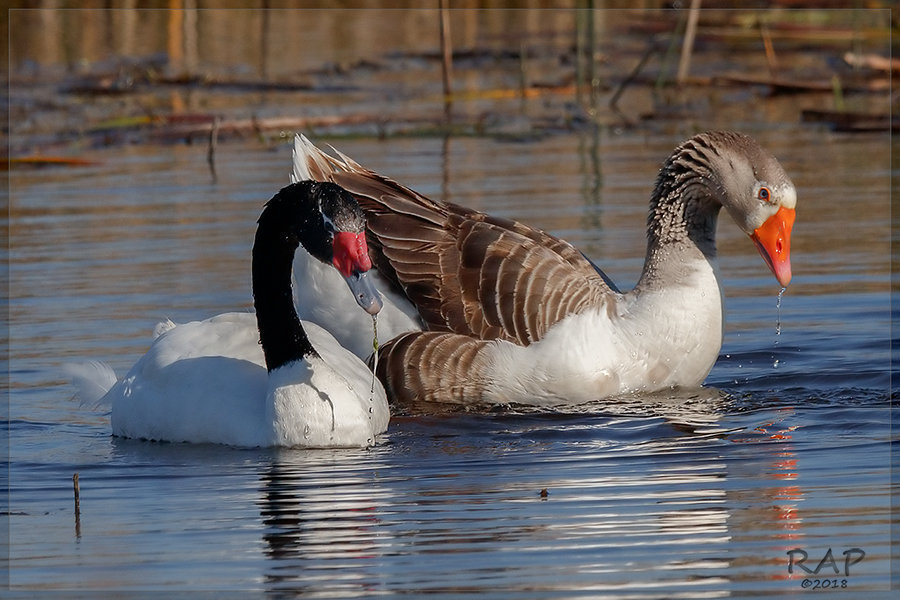
Black-necked swans glide across southern South American wetlands with a striking contrast of velvety black necks and snow-white bodies. Parents frequently carry their downy cygnets on their backs while swimming to protect them from icy water temperatures and lurking predators. Monogamous pairs form lifelong bonds, actively defending their breeding territories in shallow marshes and inland lakes.
WaterfowlMonogamousHerbivorous

—observations
—countries
—peak records
Least ConcernConservation statusIUCN Red List categoriesLCNTVUENCREWEXLeast ConcernRed List categories, explained →
Diet & prey
- Pondweed
- Aquatic Algae
- Water Milfoil
Predators
- Culpeo Fox
- Puma
- Southern Crested Caracara
ThreatsWetland degradation, pollution, habitat loss, severe droughts
HabitatsFreshwater marshes, shallow lakes, lagoons, sheltered estuaries
Life span10–20 years
Size / weightNot available
Classification
- FamilyAnatidae
- SpeciesCygnus melancoryphus
Range data is not available yet.
Interaction riskLow
- Low
- Moderate
- High
- Very high
- Why interaction risk is low
- Aggressively defends nests and cygnets with powerful wing-slaps; observe from a respectful distance.
- Why it is dangerous
- Large swans deliver painful strikes using strong wing knobs and sharp bill pinches when protecting their young.
- How to recognize a risky encounter
- Recognizable by its dark black neck and head contrasted against a bright white body and red bill knob.
- What to do
- Give brooding adults and swimming pairs with back-riding cygnets a wide, respectful distance.
Responsible observation
- Optics for Viewing: Observe from shore using binoculars to watch parents carrying cygnets without causing disturbance.
- Avoid Nesting Reeds: Keep clear of densely vegetated marsh edges during spring, as protective adults will charge intruders.
- Do Not Feed: Skip feeding bread or snacks, which disrupt natural aquatic plant foraging and degrade marsh water quality.
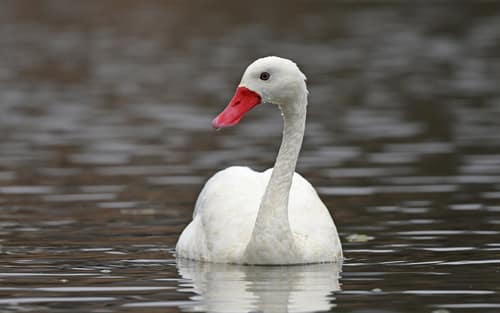
South American Relative (c) Christoph Moning, some rights reserved (CC BY), uploaded by Christoph Moning · cc-by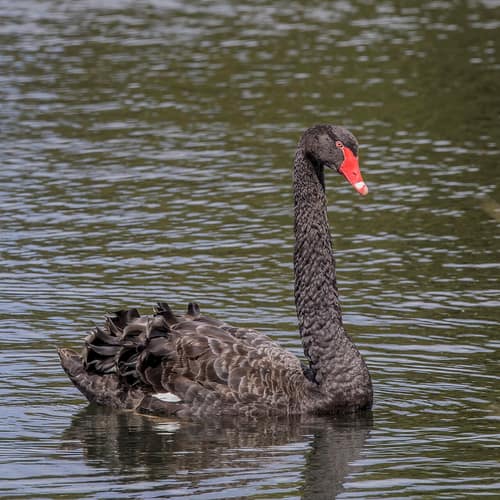
Genus Relative Charles J. Sharp / CC BY-SA 4.0 · cc-by-sa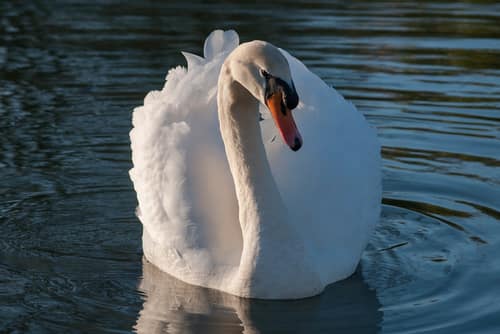
Genus Relative "Mute Swan" by CarolineG2011 is licensed under CC BY-SA 2.0. To view a copy of this license, visit https://creativecommons.org/licenses/by-sa/2.0/. · cc-by-sa
Help improve the field guideSomething wrong?
Checking your Fauna account…Report a name, category, or profile issue for review.