
Bird · GBIF taxon 2498252
Egyptian Goose
Alopochen aegyptiacaAlso known as Nile Goose
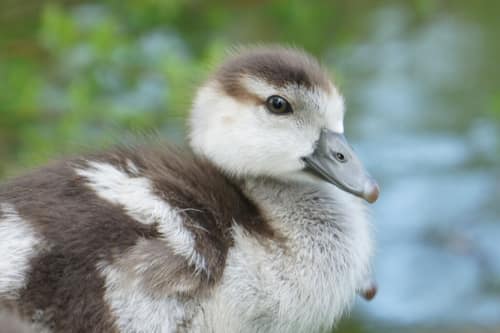
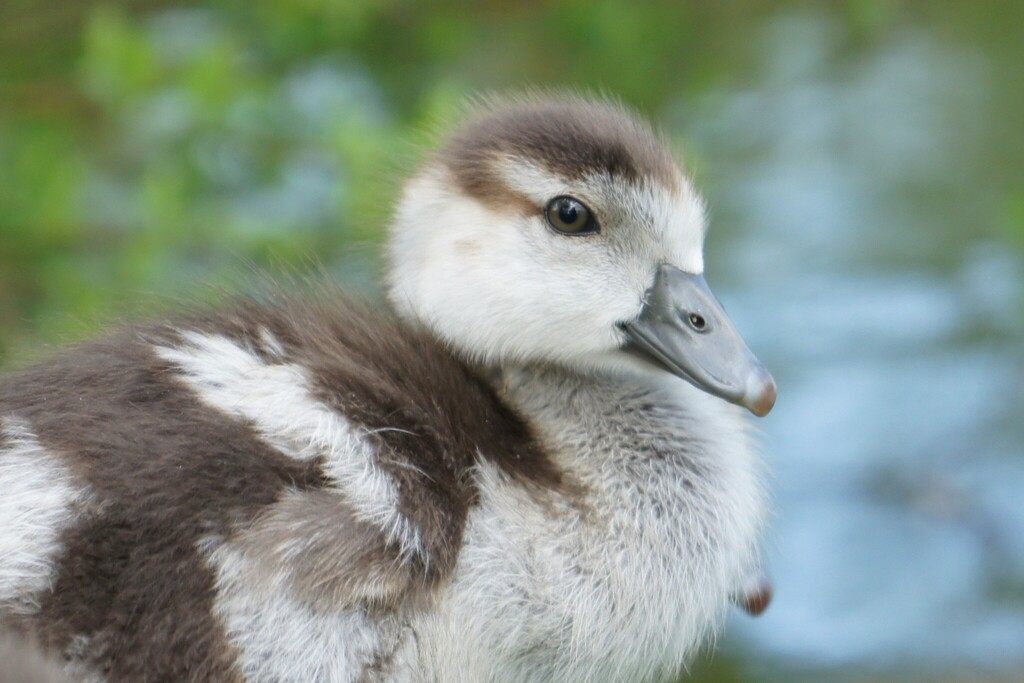
Egyptian geese are striking, long-legged shelducks recognized by their dark chestnut eye patches and prominent pink bills. They communicate through sharp, raspy hisses and loud honks, frequently establishing aggressive dominance around urban ponds and riverbanks. Both parents vigorously guard their goslings, often nesting on cliffs, in tree hollows, or atop abandoned raptor nests.
WaterfowlIntroducedVocal
 1 / 7
1 / 7—observations
—countries
—peak records
Least ConcernConservation statusIUCN Red List categoriesLCNTVUENCREWEXLeast ConcernRed List categories, explained →
Diet & prey
- Grasses
- Seeds
- Aquatic Plants
Predators
- African Fish Eagle
- Nile Crocodile
- Red Fox
ThreatsPersecution as agricultural pests and localized hunting
HabitatsWetlands, riverbanks, lakes, agricultural fields, and urban parks
Life span15–25 years
Size / weightNot available
Classification
- OrderAnseriformes
- FamilyAnatidae
- GenusAlopochen
- SpeciesAlopochen aegyptiaca
Range data is not available yet.
Interaction riskLow
- Low
- Moderate
- High
- Very high
- Why interaction risk is low
- Can become territorial and aggressive when nesting; keep a respectful distance from brood pairs.
- Why it is dangerous
- Defensive adults use wing spurs, pecking, and fast charges to drive away perceived threats to young.
- How to recognize a risky encounter
- Distinguished by dark chestnut eye patches, a pink bill, brown breast spot, and long pink legs.
- What to do
- Maintain a distance of at least ten meters from nesting birds and never walk between adults and goslings.
Responsible observation
- Give Nesting Space: Stay well clear of breeding pairs, as ganders aggressively charge intruders.
- Watch in Flight: Look for broad white upperwing panels that become obvious as they launch into air.
- Listen for Calls: Males produce a harsh raspy hiss, while females make loud honking sounds.
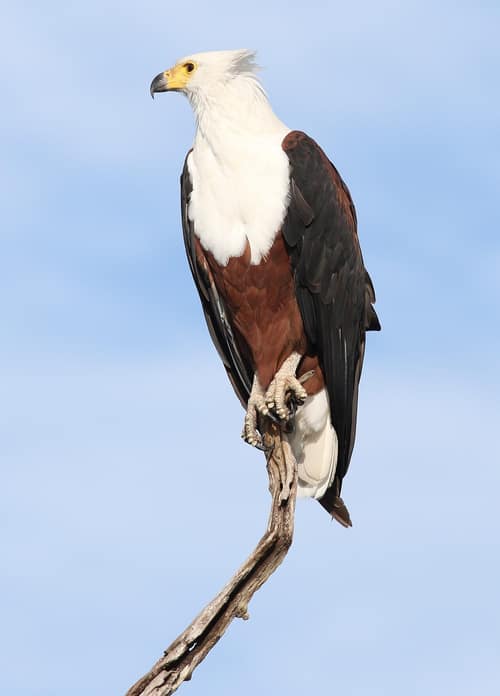
Predator Derek Keats from Johannesburg, South Africa / CC BY 2.0 · cc-by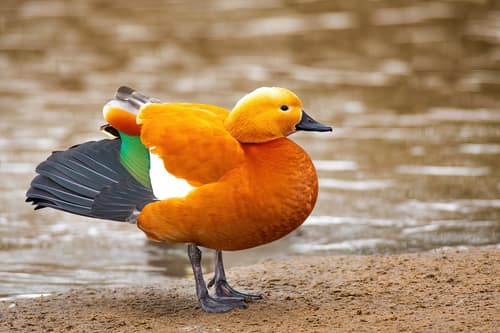
Close Relative (c) egorbirder, some rights reserved (CC BY) · cc-by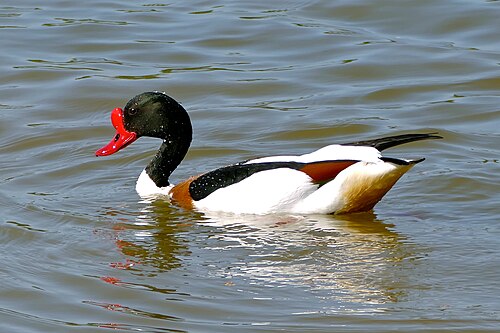
Close Relative Bernard DUPONT from FRANCE / CC BY-SA 2.0 · cc-by-sa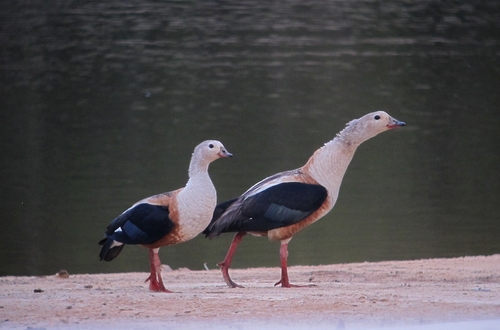
Taxonomic Relative (c) Félix Uribe, some rights reserved (CC BY-SA) · cc-by-sa
Keep collecting in Fauna
Found in Collections
Species set Pro
Farm Friends
Egyptian Goose is found in this collection. Identify it in Fauna to fill this slot and continue your progress.
Unlock to track progress
Help improve the field guideSomething wrong?
Checking your Fauna account…Report a name, category, or profile issue for review.