
Bird · GBIF taxon 2498224
Harlequin Duck
Histrionicus histrionicusAlso known as Rock Duck, Glacier Duck, Lords And Ladies, Painted Duck
Harlequin ducks split their lives between two extreme environments, nesting beside rushing mountain torrents in spring before migrating to turbulent, rocky ocean coasts for the winter. Males display striking slate-blue plumage marked with white stripes and chestnut flanks, while females are more subtly patterned in brown with pale facial spots. Their agile diving ability allows them to forage among crashing surf and white-water rapids where few other waterfowl can survive.
Diving DuckCoastalMigratory
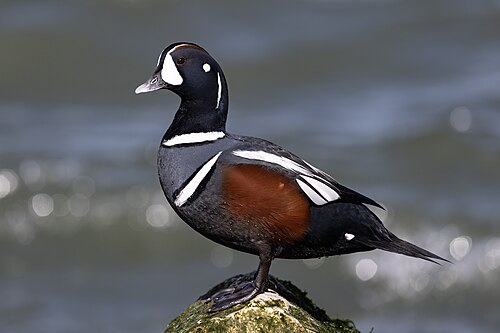
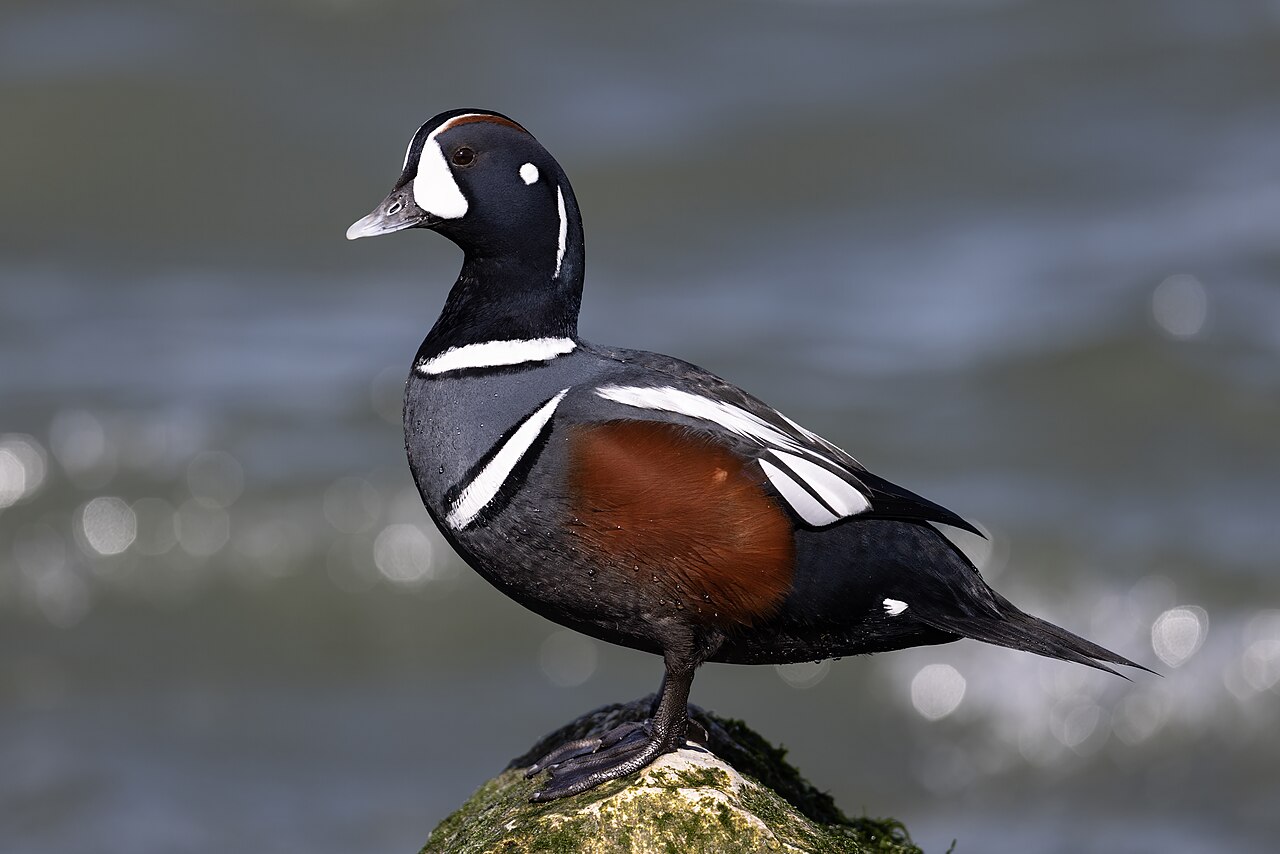
—observations
—countries
—peak records
Least ConcernConservation statusIUCN Red List categoriesLCNTVUENCREWEXLeast ConcernRed List categories, explained →
Diet & prey
- Mussels
- Crabs
- Blackfly Larvae
Predators
- Bald Eagle
- Peregrine Falcon
- American Mink
ThreatsOil spills, stream degradation, coastal development
HabitatsFast-flowing rivers, mountain streams, rocky sea coasts
Life span10–14 years
Size / weightNot available
Classification
- FamilyAnatidae
- SpeciesHistrionicus histrionicus
Range data is not available yet.
Interaction riskLow
- Low
- Moderate
- High
- Very high
- Why interaction risk is low
- Safe to observe at a normal distance.
- What to notice
- Look for small compact sea ducks riding crashing ocean waves or swift mountain white-water.
- Support conservation
- Maintain a respectful distance of at least 50 meters, especially around fast-flowing breeding streams.
Responsible observation
- Use Binoculars: Observe from a high vantage point above the surf line to avoid flushing foraging flocks.
- Watch Nesting Streams: Keep clear of steep mountain brook banks during summer breeding season.
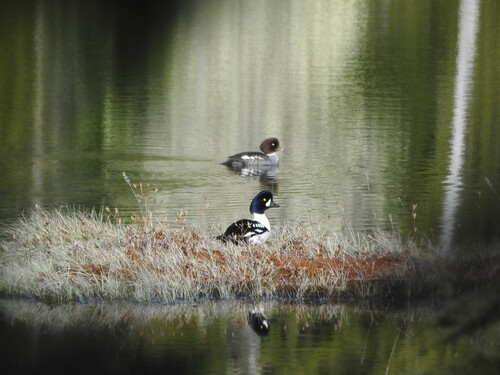
Frequent Companion (c) Aiva Noringseth, some rights reserved (CC BY) · cc-by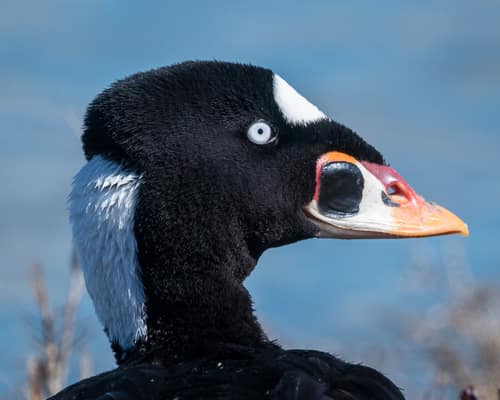
Competitor (c) Becky Matsubara, some rights reserved (CC BY) · cc-by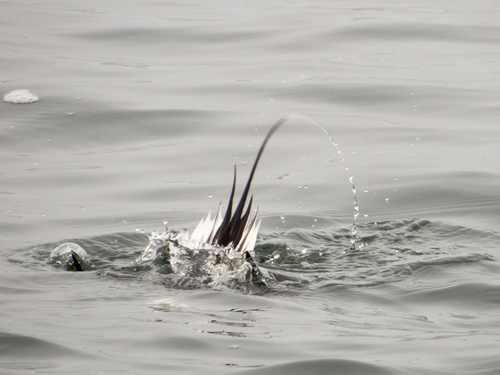
Close Relative no rights reserved · cc0
Help improve the field guideSomething wrong?
Checking your Fauna account…Report a name, category, or profile issue for review.