
Bird
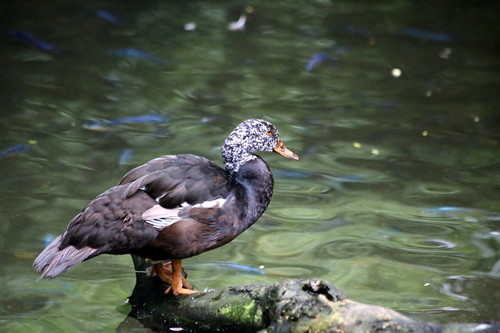
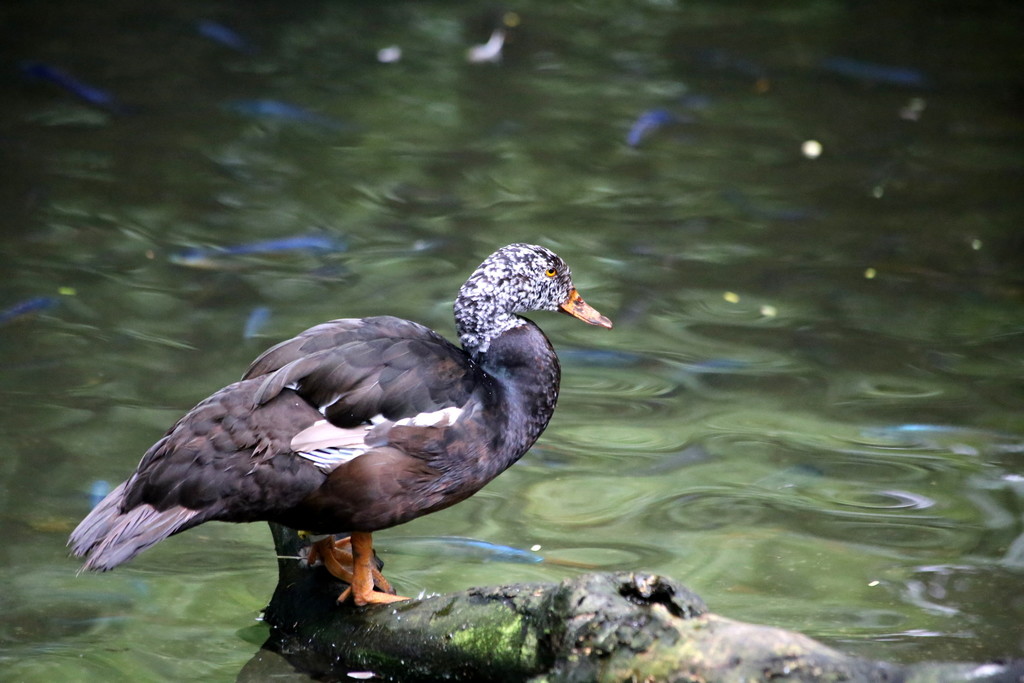
White-winged Duck
Asarcornis scutulataAlso known as White-winged Wood Duck
Secretive and predominantly nocturnal, the White-winged Duck inhabits secluded pools and slow-moving streams deep within primary tropical evergreen rainforests. During daylight hours, pairs or small family groups perch high in the forest canopy, dropping down at dusk to feed on aquatic plants, seeds, and small animals under cover of darkness. Severe deforestation and the drainage of undisturbed peat swamps have fragmented their remaining populations across South and Southeast Asia.
NocturnalForest DwellerEndangered
—observations
—countries
—peak records
Critically EndangeredConservation statusIUCN Red List categoriesLCNTVUENCREWEXCritically EndangeredRed List categories, explained →
Diet & preyFreshwater snails, Small fish, Aquatic seeds
Predators
- Tiger
- Clouded Leopard
- Reticulated Python
ThreatsHabitat destruction through logging and agriculture, wetland drainage, hunting, disturbance
HabitatsDense lowland tropical rainforests, swamp forests, secluded jungle streams, freshwater pools
Life span10–15 years in the wild
Classification
- FamilyAnatidae
- SpeciesAsarcornis scutulata
Range data is not available yet.
Interaction riskLow
- Low
- Moderate
- High
- Very high
- Why interaction risk is low
- Safe to observe at a normal distance.
- What to notice
- Look for a massive, dark-bodied duck with a speckled white head, pale wing coverts, and an orange bill mottled with black.
- Support conservation
- Maintain a wide berth around forest wetlands, avoid shining bright spotlights on nocturnal roosts, and do not disclose active nesting locations.
Responsible observation
- Listening for Calls: Listen for resonant, ghost-like honking or quacking calls over forest pools at dawn and dusk.
- Field Etiquette: Remain quiet and concealed behind dense vegetation to avoid flushing roosting pairs from tree cavities.
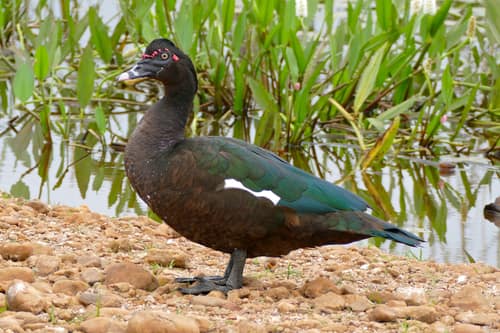
Former Congener (c) Bernard DUPONT, some rights reserved (CC BY-SA) · cc-by-sa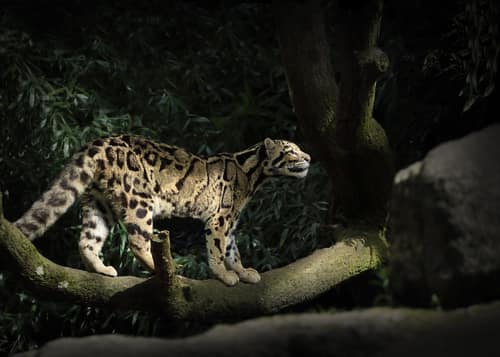
Predator "Clouded Leopard catching the light" by charlieishere@btinternet.com is licensed under CC BY 2.0. To view a copy of this license, visit https://creativecommons.org/licenses/by/2.0/. · cc-by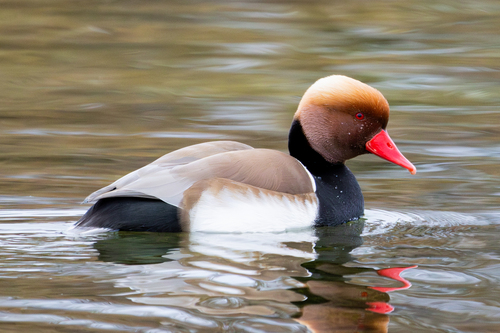
Close Relative (c) Diego González Dopico, some rights reserved (CC BY), uploaded by Diego González Dopico · cc-by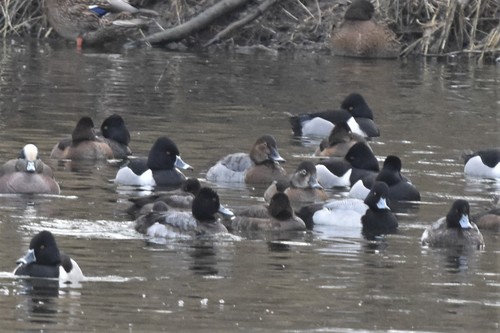
Close Relative no rights reserved · cc0
Help improve the field guideSomething wrong?
Checking your Fauna account…Report a name, category, or profile issue for review.