
Bird · GBIF taxon 2498112
Northern Pintail
Anas acutaAlso known as Pintail, Sprig, European Pintail
Northern pintails are slender, elegant dabbling ducks recognized by the long, pointed central tail feathers of breeding males, along with their chocolate-brown heads and distinctive white neck stripes. They feed in shallow wetlands by dipping their long necks underwater to reach aquatic plant roots, seeds, and small invertebrates. High-speed fliers, these long-distance migrants undertake sweeping seasonal journeys across continents to reach their breeding and wintering grounds.
MigratoryWaterfowlWetland
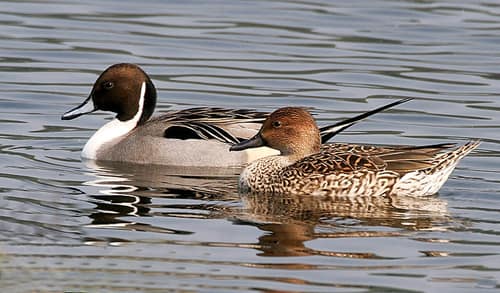
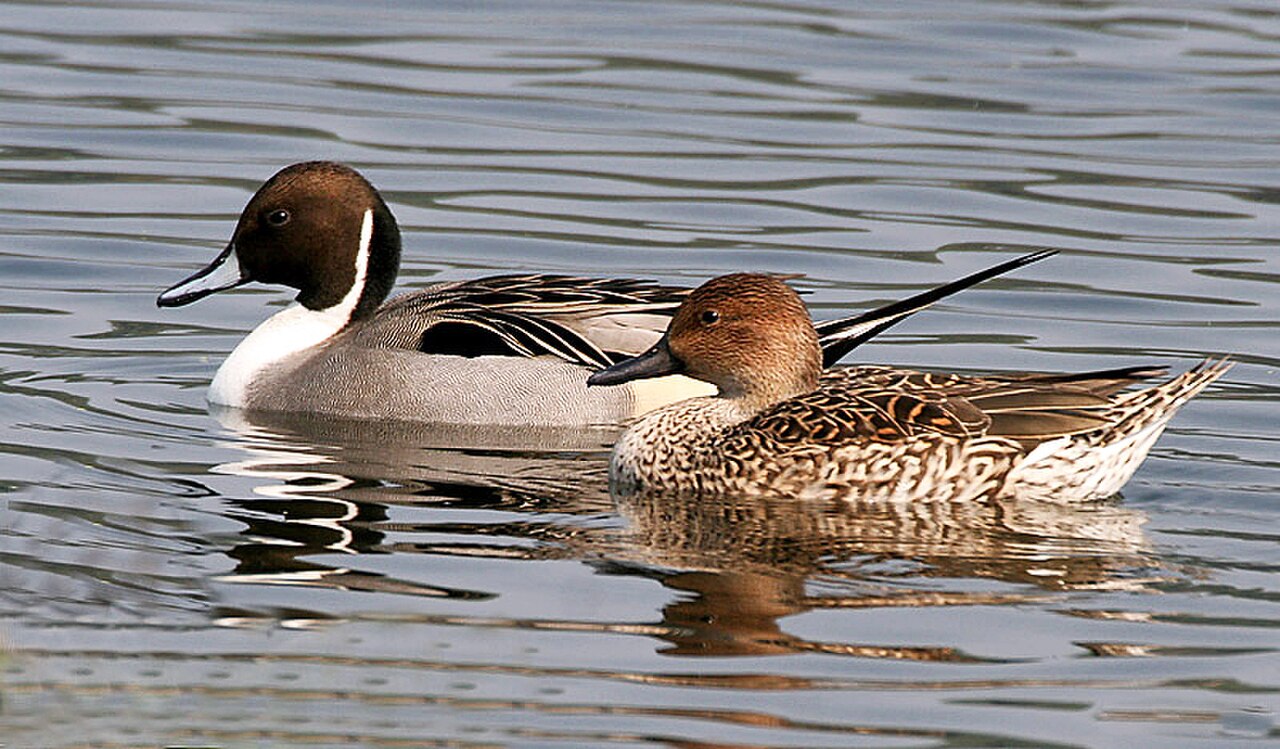
—observations
—countries
—peak records
Least ConcernConservation statusIUCN Red List categoriesLCNTVUENCREWEXLeast ConcernRed List categories, explained →
Diet & prey
- Aquatic Insects
- Seeds
- Snails
Predators
- Red Fox
- Peregrine Falcon
- Coyote
ThreatsWetland loss, drought, avian diseases, lead ingestion from shot
HabitatsWetlands, shallow lakes, marshes, flooded agricultural fields, estuaries
Life span10–20 years in the wild
Size / weightNot available
Classification
- FamilyAnatidae
- SpeciesAnas acuta
Range data is not available yet.
Interaction riskLow
- Low
- Moderate
- High
- Very high
- Why interaction risk is low
- Safe to observe at a normal distance.
Responsible observation
- Observation Distance: Use binoculars or a spotting scope to watch flocks without flushing them from water bodies.
- Seasonal Timing: Look for breeding males displaying their vibrant plumage from late autumn through early spring.
- Habitat Spotting: Scan open shallow marshes, flooded fields, and coastal estuaries during migration periods.
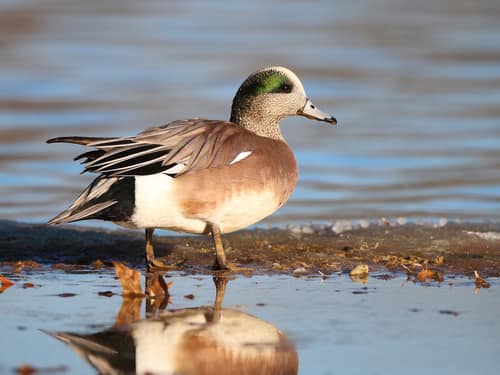
Frequent Companion no rights reserved, uploaded by Andy Wilson · cc0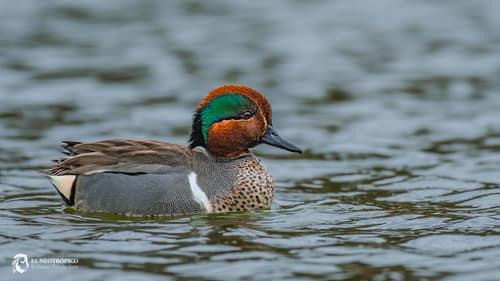
Frequent Companion (c) Daniel Pineda Vera, some rights reserved (CC BY), uploaded by Daniel Pineda Vera · cc-by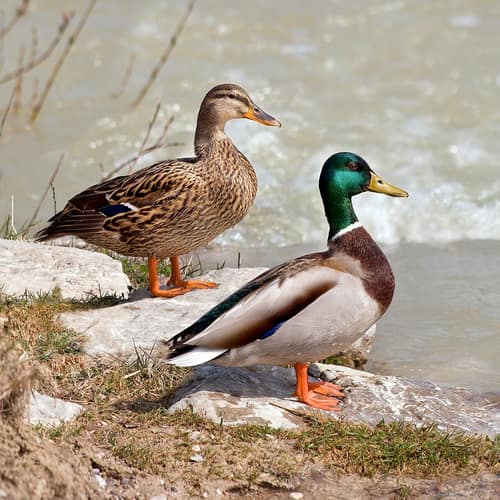
Close Relative This picture was realized by Richard Bartz by using a Canon EF 70-300mm f/4-5.6 IS USM Lens / CC BY-SA 2.5 · cc-by-sa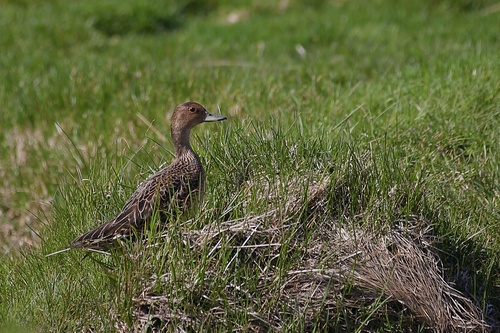
Close Relative (c) eloise kerroux, some rights reserved (CC BY) · cc-by
Help improve the field guideSomething wrong?
Checking your Fauna account…Report a name, category, or profile issue for review.