
Bird · GBIF taxon 2498036
Greylag Goose
Anser anserAlso known as Graylag Goose
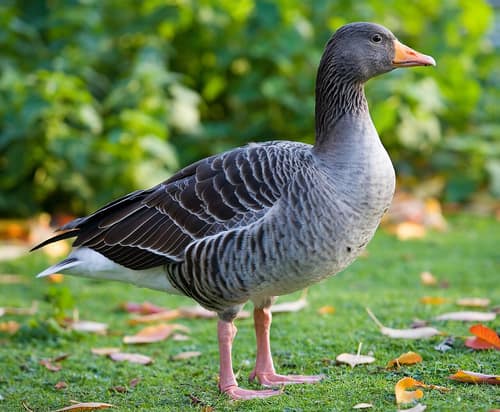
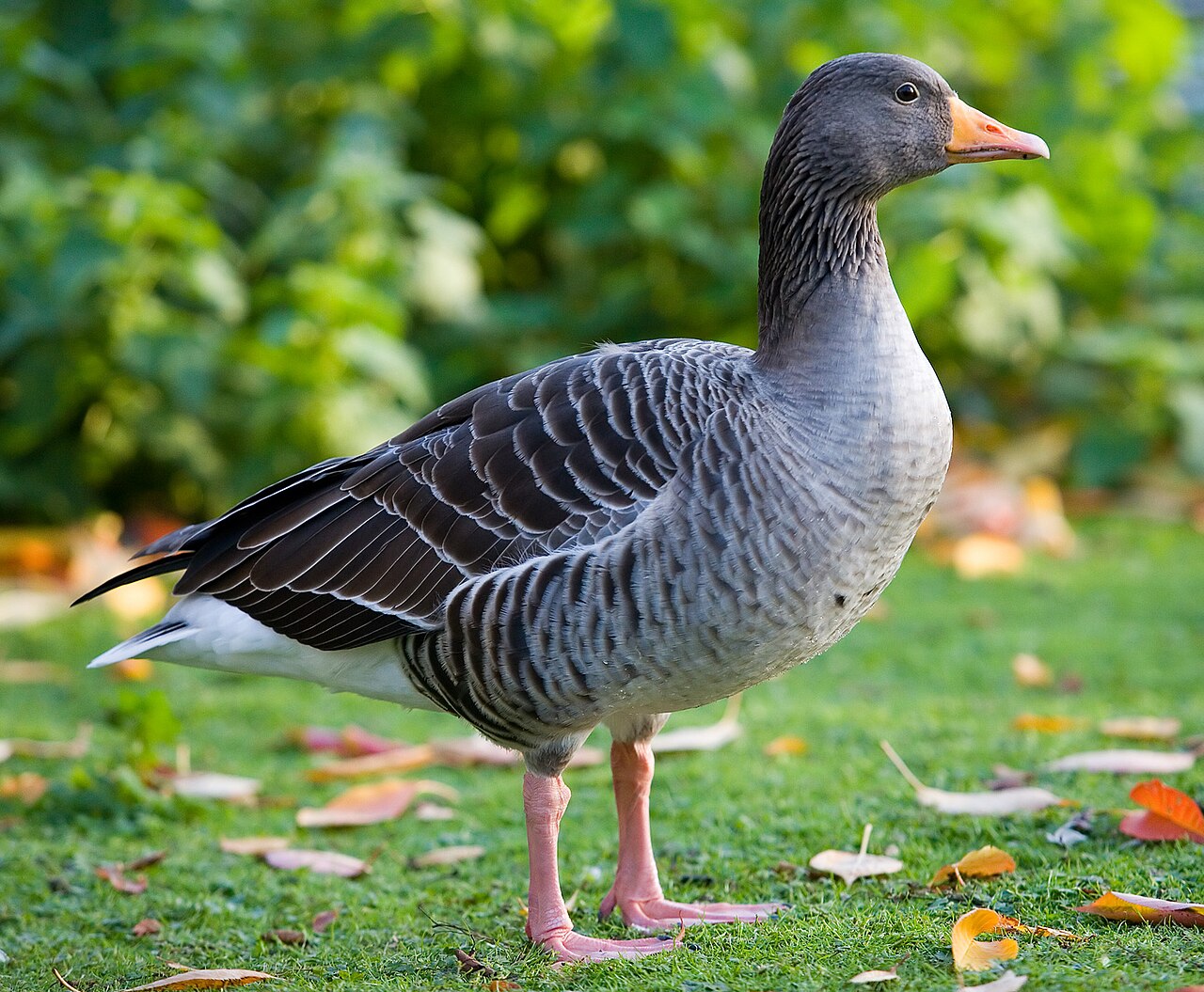
Greylag Geese are large gray-brown waterfowl with bulky bodies, thick pink or orange bills, and pale-edged back feathers. Family groups graze on land and gather into noisy flocks around wetlands and open fields.
goosegrazing waterfowlwetland
—observations
—countries
—peak records
Least ConcernConservation statusIUCN Red List categoriesLCNTVUENCREWEXLeast ConcernRed List categories, explained →
Diet & prey
- small aquatic invertebrates
Predators
- foxes
- large eagles
- gulls
ThreatsWetland loss, collisions, lead and fishing tackle, disease, hunting, and nest disturbance
HabitatsLakes, marshes, rivers, wet grassland, farmland, estuaries, and open parkland
Life spanOften ten to twenty years, with some marked birds living longer
Size / weightNot available
Classification
- OrderAnseriformes
- FamilyAnatidae
- GenusAnser
- SpeciesAnser anser
Range data is not available yet.
Interaction riskLow
- Low
- Moderate
- High
- Very high
- Why interaction risk is low
- Nest-defending geese can charge, bite, and strike with powerful wings; give families ample space.
- Why it is dangerous
- A defensive adult can run or fly at a person, delivering painful bites and forceful wing strikes.
- How to recognize a risky encounter
- Recognize a large gray-brown goose with a thick pinkish or orange bill and pale rump.
- What to do
- Do not feed, corner, or confront geese; back away calmly and place a barrier between you if necessary.
Responsible observation
- Observe: Stay outside the flock's path and never approach a nest or goslings.
- Respond: Back away slowly if a goose hisses, lowers its head, or spreads its wings.
Help improve the field guideSomething wrong?
Checking your Fauna account…Report a name, category, or profile issue for review.