
Bird · GBIF taxon 2497062
Common Poorwill
Phalaenoptilus nuttalliiAlso known as Poorwill, Nuttall's Poorwill
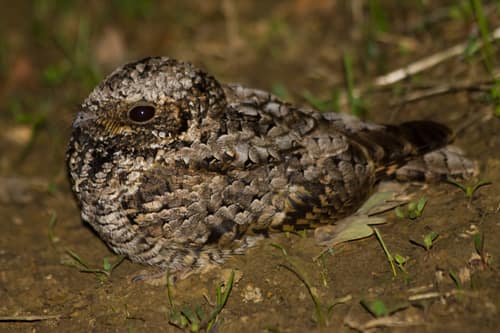
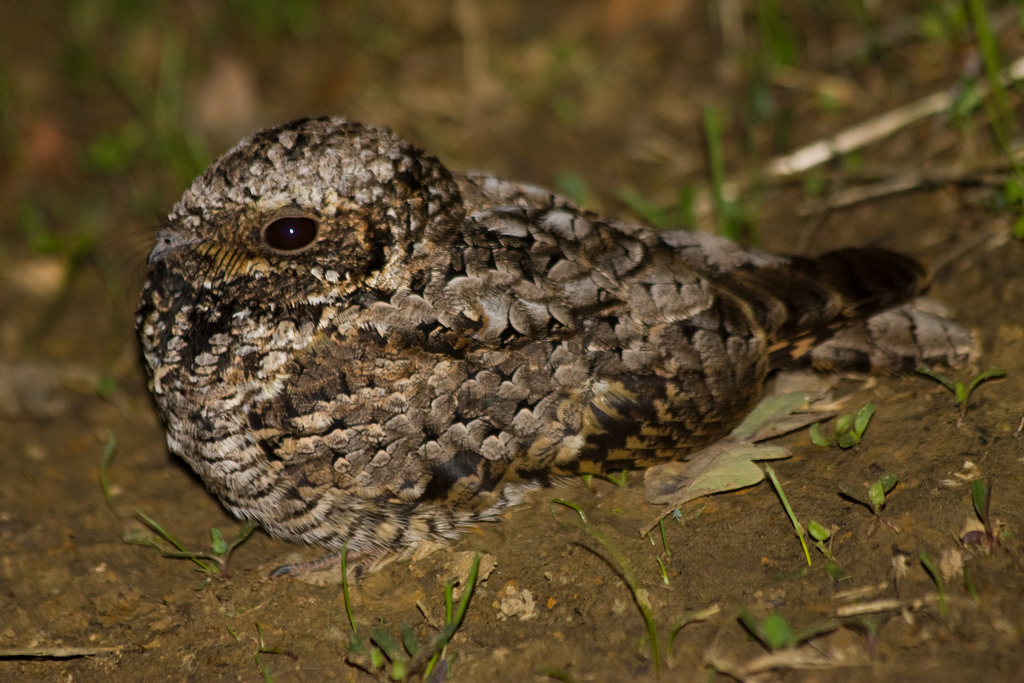
Common poorwills are renowned as the only birds known to enter true long-term torpor, sleeping in rock crevices for weeks or months during cold winter periods. Their mottled grey, black, and brown plumage provides exceptional camouflage against desert soil and gravel, allowing them to remain virtually invisible while resting during the day. At dusk, they sally short distances from the ground or low perches to capture nocturnal flying insects like moths and beetles.
NocturnalCrypticTorpor Capable
—observations
—countries
—peak records
Least ConcernConservation statusIUCN Red List categoriesLCNTVUENCREWEXLeast ConcernRed List categories, explained →
Diet & prey
- Moths
- Beetles
- Flying ants
Predators
- Snakes
- Coyotes
- Owls
ThreatsHabitat degradation, vehicle strikes on dirt roads, pesticides
HabitatsArid scrublands, desert canyons, rocky slopes, dry pine-oak woodlands
Life span4–8 years
Size / weightNot available
Classification
- FamilyCaprimulgidae
- SpeciesPhalaenoptilus nuttallii
Range data is not available yet.
Interaction riskLow
- Low
- Moderate
- High
- Very high
- Why interaction risk is low
- Safe to observe at a normal distance.
Responsible observation
- Spotting by Eye-shine: Search dirt roads at night with a flashlight to catch their bright orange reflection.
- Listening at Twilight: Listen on quiet evenings for the soft, repetitive two-note call echoing across canyon slopes.
- Respecting Roosts: Give roosting birds wide berth during the day so they do not flush and waste energy.
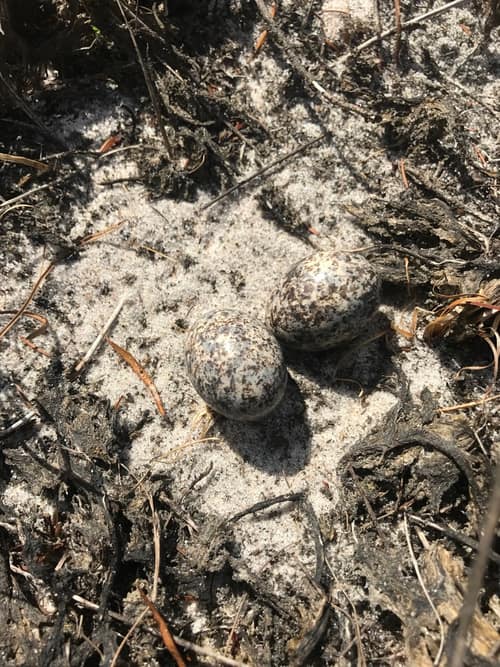
Co-occurring Nightjar (c) Pete Diamond, some rights reserved (CC BY), uploaded by Pete Diamond · cc-by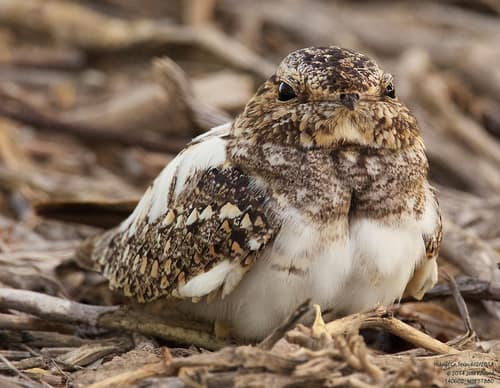
Co-occurring Nightjar (c) John Rosford, some rights reserved (CC BY) · cc-by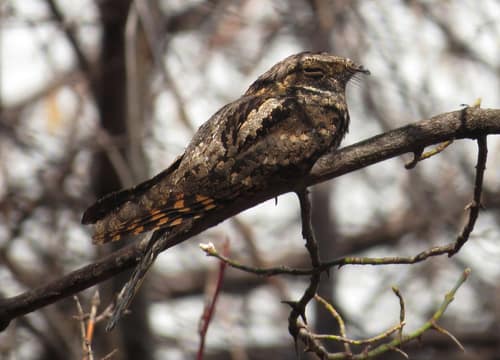
Close Relative (c) Paul Prior, some rights reserved (CC BY), uploaded by Paul Prior · cc-by
Help improve the field guideSomething wrong?
Checking your Fauna account…Report a name, category, or profile issue for review.